The stalemate between Iran and the US is a threat to the diplomatic path.
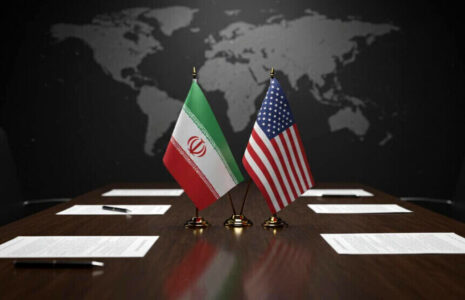
The United States opposed Iran's request to move the talks from Istanbul to Oman and limit the issue to the nuclear program.
In the latest twist in the diplomatic crisis between Tehran and Washington, disagreements over the location and format of talks scheduled for Friday have reached a stalemate and could block the path to diplomacy. The developments come as both sides have taken tougher positions on their priorities and disagree on the presence of regional countries in the talks.
According to reports, the United States informed Iran earlier today, Wednesday, February 4, that it would not agree to Tehran's request to change the location and format of the talks. The main issue of the dispute was the transfer of the venue from Istanbul to Oman and holding the talks bilaterally, a proposal that Tehran made to prioritize only the nuclear program and avoid including other issues such as the missile program.
A senior American official has stated bluntly: "We told them it was either this format or nothing; they said, 'Well, then nothing.'" This comment reflects the severity of the impasse, which even raises the possibility of the talks being canceled.
Washington officials have stressed that the United States is prepared to resume talks this week or next if Iran returns to the format and venue of the previous talks in Istanbul. The official also warned: “We want to get a real deal very quickly, otherwise people will look at other options.” This is an implicit reference to the US president’s repeated threats to pursue military options if diplomacy fails.
On the other hand, Iranian officials have also taken a tough stance. An Iranian source told news agencies: "From Tehran's perspective, negotiations with the United States will only be about the nuclear program, and the Islamic Republic is not willing to discuss other issues."
The US now believes that negotiations with Iran must cover more than just the nuclear issue, including its missile program, support for regional groups and human rights issues. The US Secretary of State has stressed that without addressing these issues, it will be difficult to reach a “real deal”.
In contrast, Tehran insists on focusing solely on the nuclear program and says it has no intention of raising issues such as the missile program in the current negotiations.
As these differences increase, the prospects for diplomatic efforts have become darker. Some reports suggest that the talks may be held in Muscat instead of Istanbul, but even that change is not explicitly agreed upon between the two sides.
Currently, senior American representatives, such as White House special envoy Steve Whitaker and senior adviser Jared Kushner, are scheduled to travel to Doha, Qatar, to discuss Iran with the Qatari prime minister, without any formal meeting with Iranian officials.
Thus, despite extensive regional efforts to prevent the crisis from escalating, disagreements over the nature and location of the negotiations have increased the likelihood of a complete halt to the talks and heightened concerns about a return to harsher options such as military action.