Demolition of the homes of 3 Baha'i families in Roshankouh village, Sari
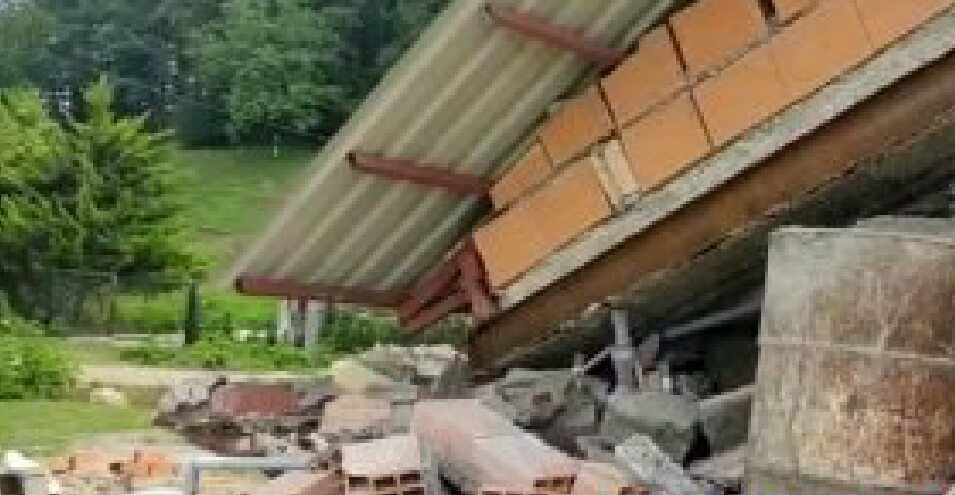
On Monday, August 1, the homes of three Baha’i families in the village of Roshankouh, Sari, were demolished by government agencies. This action was taken without a warrant or prior warning. Previously, on September 21, 2020, a meeting was held at the Sari city governor’s office with the presence of representatives of a number of Iranian security and government organizations. According to published confidential documents, decisions were made at this meeting to significantly increase the repression of religious minorities not recognized in the constitution of the Islamic Republic, especially followers of the Baha’i faith and dervishes.
According to HRANA News Agency, the news agency of the Human Rights Activists in Iran, on Monday, August 1, 2021, the homes of three Baha'i families in the village of Roshankouh, Sari, were demolished by government agencies.
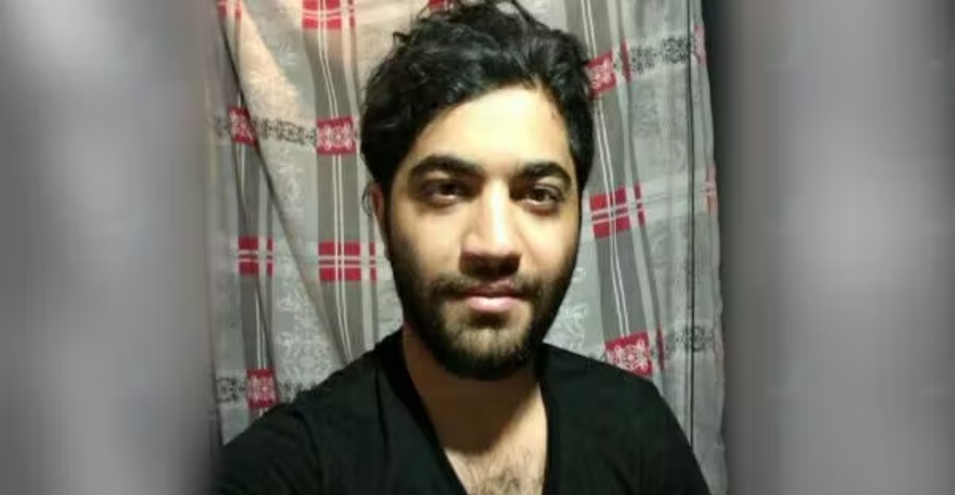
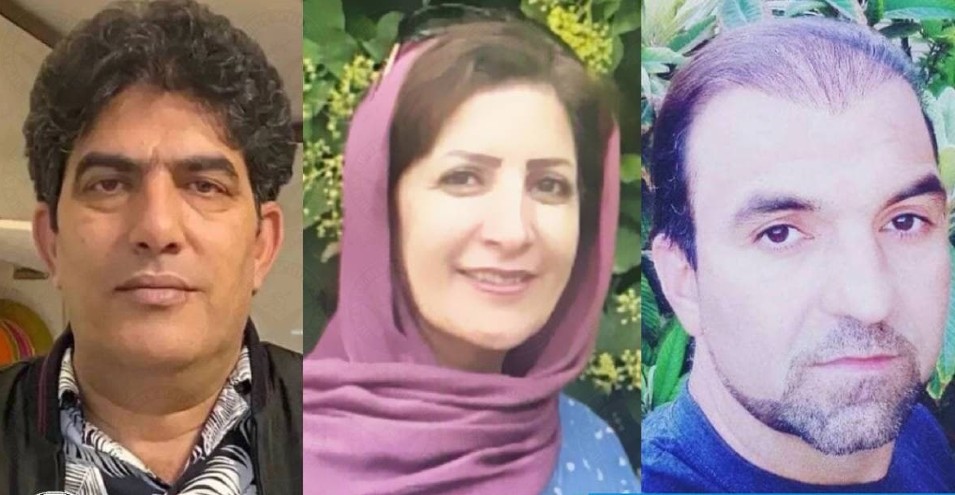
The demolition of the homes of Mr. Sabetian, Navid Derakhshan, and Mr. Enayati took place while Navid Derakhshan and Mr. Enayati were not present at the time of the demolition. A source close to these Baha’i citizens told HRANA: “Recently, the Natural Resources Department claimed that 14 plots of land in the village of Roshankouh were formerly forest and that the Baha’is of this village have occupied the forest lands and are engaged in agriculture and construction. For this reason, the department has requested the expropriation and liquidation of this land. This is despite the fact that these Baha’i lands are over seventy years old – that is, before the land reforms in 1963.”
It is worth mentioning that the village of Roshankouh is located in the Chahardangeh district of Sari County in Mazandaran Province, Iran, and most of its residents have long been Baha'is.
According to this informed source: “In recent years, there have been systematic and widespread efforts to force the Baha’is to leave this village. While construction is easily carried out in nearby villages where Baha’is do not reside, the residents of this village are not given building permits or are not allowed to complete their work simply because they are Baha’is.”
It is said that the relevant organizations are avoiding providing aerial photographs and maps of the region from the 1940s, 1950s, and earlier to the Baha'is of Roshankouh village.
Although such actions regarding the destruction or confiscation of homes and properties of Baha'i citizens, as well as places related to these citizens, including the Baha'i cemeteries known as Golestan Javid, by government agencies or with the green light of officials, are unprecedented, on September 21, 2020, a meeting was held in the Sari city governor's office with the presence of representatives of a number of Iranian security and government organizations. According to confidential documents first published by the Society for the Defense of Human Rights in Iran, decisions were made at this meeting to significantly increase the suppression of religious minorities not recognized in the constitution of the Islamic Republic, especially followers of the Baha'i faith and dervishes.
According to these documents, a meeting of the "Ethnicities, Sects, and Religions Commission" was held in Sari with the participation of representatives of nine government security and intelligence organizations to "examine the latest situation of the Dervishes and Baha'is," and in this meeting, decisions were made regarding what was stated in the minutes of the meeting: "Critical control of the movements of the errant Baha'i sect and Dervishes" and "planning in the field of cultural and educational institutions."
In addition, the participants approved closely monitoring all activities of Baha'i followers and instructing education officials to identify and monitor Baha'i students and "convert them to Islam." The meeting also asked the deans of the city's universities to monitor this issue, given the ban on Baha'is studying at universities, and the head of the Department of Industry and Mining was also tasked with monitoring the activities of Baha'i citizens in the market.
It appears that such actions, including the issuance of a decision to confiscate the lands of 27 Baha'i farming families in the village of Ayol, which is located within the administrative boundaries of Sari city, on October 12, 2020, are another immediate outcome of the meeting on September 21, 2020.
Baha'i citizens in Iran are deprived of freedoms related to religious beliefs. This systematic deprivation occurs despite the fact that, according to Article 18 of the Universal Declaration of Human Rights and Article 18 of the International Covenant on Civil and Political Rights, everyone has the right to freedom of religion and to change their religion with conviction, as well as the freedom to manifest it, either individually or in community with others and in public or in private.
It is worth noting that, according to unofficial sources, there are more than three hundred thousand Baha'is in Iran, but the Iranian constitution only recognizes the religions of Islam, Christianity, Judaism, and Zoroastrianism and does not recognize the Baha'i religion. For this reason, the rights of Baha'is in Iran have been systematically violated over the past years.
Source: HRANA