Intensification of the economic crisis in Iran following the outbreak of Corona and its impact on Iranian women and families
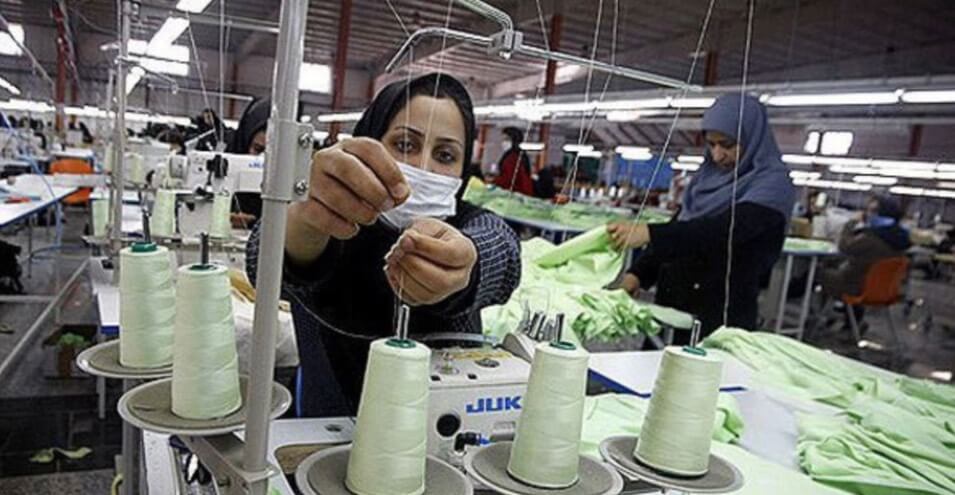
With the widespread spread of the coronavirus in various cities of Iran and the beginning of quarantine, many citizens have been forced to leave their jobs to prevent contracting the virus. This forced stay-at-home order has also increased the number of domestic violence cases in Iran. The Ministry of Health has sent a text message asking Iranian citizens to contact the Social Emergency Service of the Iranian Welfare Organization to receive psychosocial services if they witness or encounter cases of child abuse and spousal abuse during this time.
Shahla Entesari, a civil activist, spoke to Voice of America on Wednesday, May 1, referring to the recent Social Emergency report on the increase in domestic violence among families following the spread of the coronavirus, saying that the spread of the virus in Iran has had a very negative impact on vulnerable and deprived families in society, such as the unemployed and poor segments of society; an impact that, according to this civil activist, the failure to respond to the needs of family members has caused more anxiety and pressure on family members, especially children and women.
According to available information, the authorities of the Islamic Republic did not put any financial support for the people on their agenda from the very beginning, and this has caused problems in the lives of many people. Livelihood problems could be one of the factors behind the increase in domestic violence as Iranian citizens stay home and quit their jobs to prevent contracting the coronavirus.
Currently, according to official statistics in Iran, the accuracy of which is questionable, the number of deaths from the coronavirus in the country has reached 5,957 and the number of infected people has been reported to be 93,657. This is while the actual statistics in Iran are expected to be much higher than the figures announced daily by the authorities of the Islamic Republic, and the authorities are unwilling to announce to the public the real number of deaths and infections of Iranian citizens with this virus.
A World Health Organization official has also said that the figures announced by Iranian authorities on the number of people infected with the coronavirus are only one-fifth of the actual number of infected people. Official figures from some countries, including Iran, China, and Russia, cannot be verified by independent experts and cannot be considered reliable and final.
Meanwhile, public opinion in Iran and around the world is concerned about the Islamic Republic's authorities' secrecy regarding the spread of the coronavirus. On Thursday, March 6, the US State Department's representative for Iran accused the Islamic Republic's officials of lying to the Iranian people about the extent of the coronavirus in the country.
"The regime initially told people there was no need to worry about the spread of this virus. But at the same time, the virus was spreading throughout Iran," Brian Hook told reporters.
Source: Voice of America