EU's efforts to stop massive wave of migration from Afghanistan
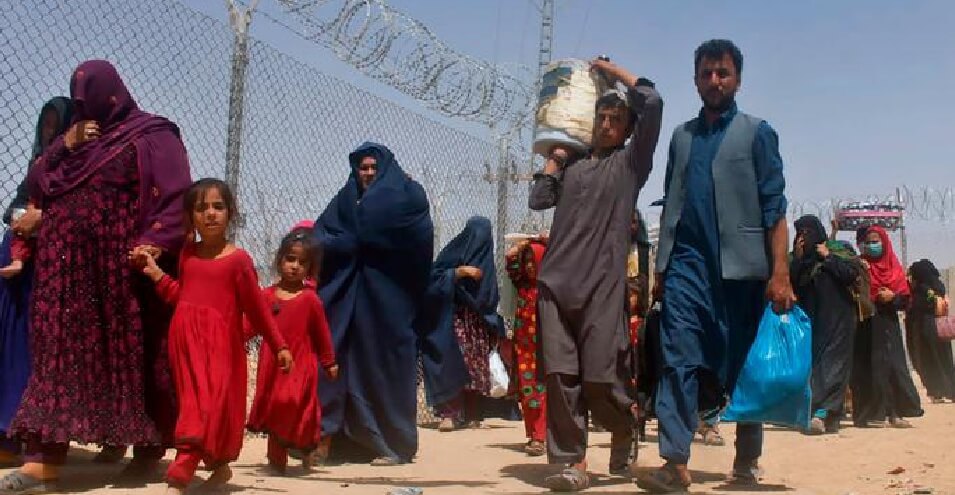
European Union member states are planning to control the “uncontrolled” flow of large groups of migrants from Afghanistan. EU interior ministers are scheduled to hold an extraordinary meeting to discuss the issue and decide on the necessary measures.
EU member states are determined to stop “uncontrolled migration” from Afghanistan after the Taliban extremist Islamists took control of Kabul.
According to Reuters, this is part of a draft joint statement that the interior ministers of the union members are scheduled to issue at an extraordinary meeting on Tuesday, August 31.
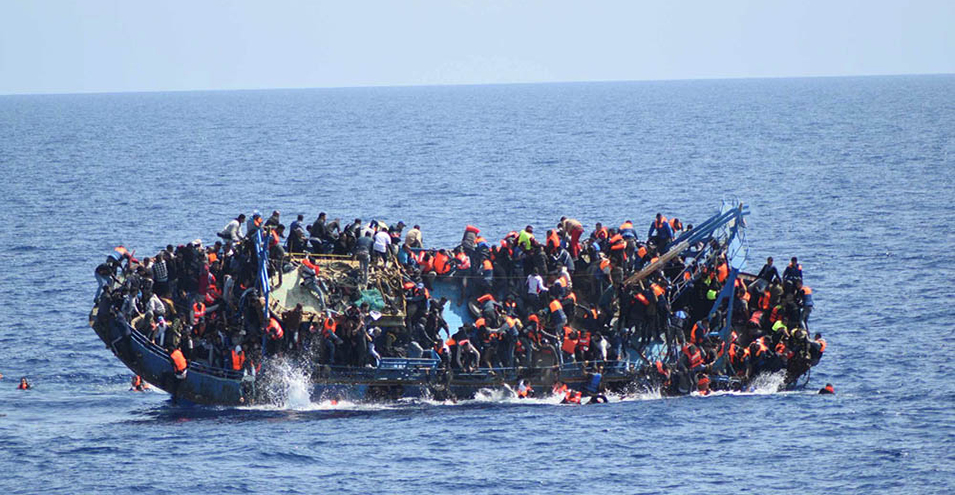
European Union members are keen to prevent a repeat of the mass influx of migrants and refugees into European countries in 2015 by any means necessary.
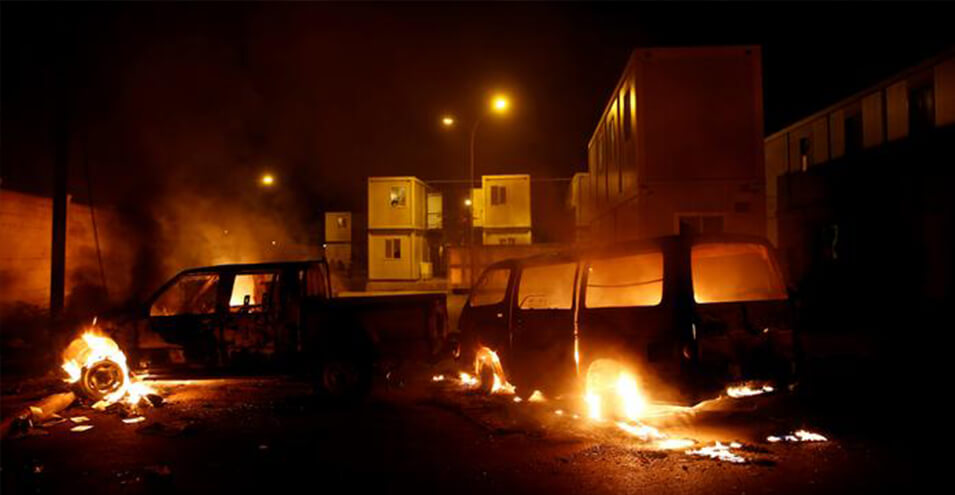
Six years ago, European Union member states faced a massive wave of refugees without prior preparation, leading to crisis and tension in countries such as Greece and Italy, and one of the consequences was the increase in the power of far-right groups.
The Taliban and the massive wave of migration
Since the Taliban's radical Islamists took control of Kabul two weeks ago, much faster than expected and in a surprising manner, tens of thousands of Afghan citizens have left the country, and tens of thousands more are seeking to leave.
In a statement, a draft of which was obtained by Reuters, the interior ministers of the European Union members emphasized that, based on previous lessons, they are determined to jointly adopt measures to ensure that the experience of large-scale illegal and uncontrolled migration is not repeated.
One of the key strategies and main measures for the European Union to prevent a repeat of the experience of 2015 is to have a "coordinated and systematic response" to recent developments.
Half a million Afghan refugees by the end of the year
The efforts of European countries to adopt a joint and coordinated measure are not unrelated to the latest report by the United Nations High Commissioner for Refugees, which estimates that the number of Afghans leaving their country could reach 500,000 by the end of this year.
After the Taliban took control of Kabul, the United States and its allies withdrew tens of thousands of citizens, military and diplomatic forces, and local collaborators from Afghanistan.
According to the US-Taliban agreement, the withdrawal of foreign troops from Afghanistan must be completed by August 31.
Accordingly, in recent days, the efforts of Western countries have focused on withdrawing their remaining troops from Afghanistan, and countries such as Germany and Britain have withdrawn all their troops.
Tens of thousands of local collaborators of foreign forces and their relatives remain in Afghanistan, and with extremist Islamists taking control of the country, their fate and future, as well as that of the rest of the citizens, is unclear and dark.
The High Commissioner for Refugees announced on Monday that a massive crisis has just begun for the 39 million people of Afghanistan and called for solidarity and support for them.
UN High Commissioner for Refugees Filippo Grandi called on more countries to open their borders to Afghan refugees and to take on more responsibility, alongside Iran and Pakistan, which have settled 2.2 million refugees.
The complexity of sending aid to Afghanistan
Reuters quoted a senior European official as saying that the emergency meeting on Tuesday, August 31 (September 9) will emphasize the European Union's promise to allocate more humanitarian aid to Afghanistan and its neighboring countries, adding that providing this aid has become very complicated after the Taliban took power.
The draft statement from Tuesday's meeting states that the European Union should increase assistance to Afghanistan's neighboring countries so that refugees receive the necessary support, first and foremost, in the region itself.
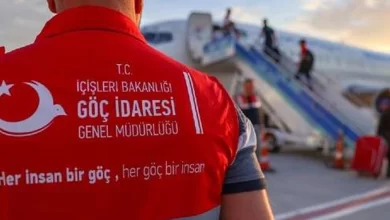
During the 2015 refugee crisis, Türkiye prevented millions of Syrian refugees from crossing its territory to reach European countries in exchange for significant financial assistance from the European Union.
However, Ankara is less willing to cooperate with Afghan refugees; Turkey is concerned about its social and security situation due to the coronavirus pandemic and the economic crisis and is not ready to accept a large number of Afghan refugees.
Meanwhile, senior officials from a number of European and Central Asian countries held a video conference on Monday to discuss the situation in Afghanistan and specific measures to support Afghan refugees and asylum seekers.
Representatives from Austria, Germany, Greece, Denmark, Uzbekistan, Tajikistan, and Turkmenistan attended the conference. The European Union Commissioner for Home Affairs was also invited to the conference, but was unable to attend due to conflicting commitments.
One of the goals of the conference is to gain an understanding of the situation in Afghanistan from the perspective of its northern neighbors. Austrian Foreign Minister Alexander Schallenberg called on the United Nations to organize a conference as soon as possible with the participation of countries that are donating money to Afghanistan to provide the necessary resources to support the refugees.
Source: DW