Recorded liquidity growth in Iran last year
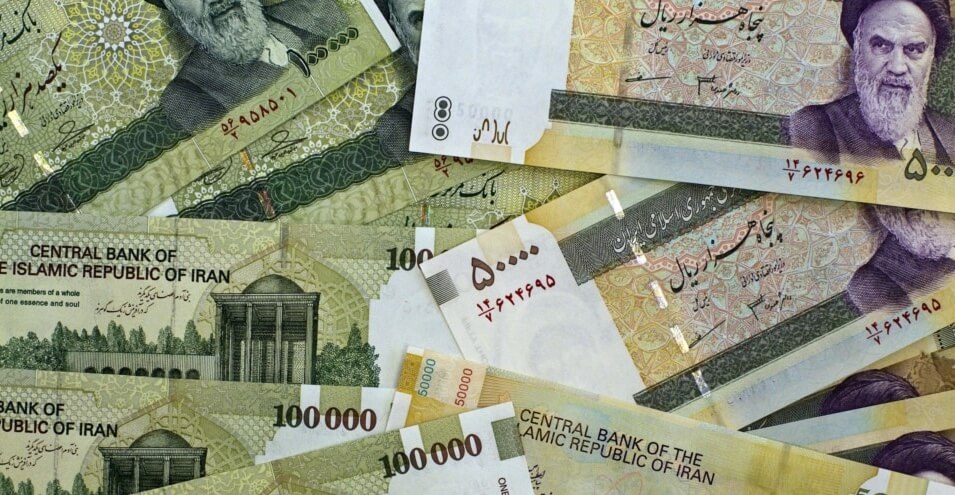
In its latest report, the Central Bank of Iran announced a 40.6% growth in liquidity in the last solar year, which is a record in the history of the Islamic Republic.
Liquidity is the most important factor in inflation, and according to the International Monetary Fund's assessment, Iran had the highest inflation rate among the global community last year, after Venezuela, Zimbabwe, Sudan, Suriname, and Lebanon.
A new report by the Central Bank, published on Tuesday, June 8, shows that liquidity reached 3,476 trillion tomans in March of last year, an increase of about 40.6 percent compared to March 2019.
The amount of liquidity in the country has almost doubled since March 2018.
Printing unbacked money to cover government debts by the Central Bank is one of the most important factors in the growth of liquidity in Iran.
Statistics from the Central Bank of Iran also show that government debts to the country's banking system increased by about a third in March of last year compared to the same month in 2019, reaching nearly 480 trillion tomans. Government debts to the country's banking system have doubled over the past three years.
In addition to the government itself, state-owned companies also owed nearly 50 trillion tomans to the country's banking system in March last year, which is an increase of about 75 percent compared to three years ago.
Official statistics from the Planning and Budget Organization, as well as reports from the Parliamentary Research Center, show that over the past two years, one-third of the government budget has been financed through borrowing.
The Central Bank has not provided any statistics on the state of the country's budget since the fall of 2018, and the Central Bank's report also does not mention the total government debt.
However, the International Monetary Fund, in its latest report published two months ago, says that the Iranian government's net debt (including debt to the Central Bank, banks, companies, foreign debt, etc.) last year was equivalent to 35.7 percent of the country's total GDP; in other words, the total net debt of the Iranian government has reached $227 billion, which has almost doubled compared to 2019.
The government's net debt of $227 billion, even including the free dollar rate, is more than 4 times the government's current year's budget, and including the government dollar, is more than 24 times.
Source: Radio Farda