Around 2,800 Iranian citizens demanded a re-examination of the cases of environmental activists.

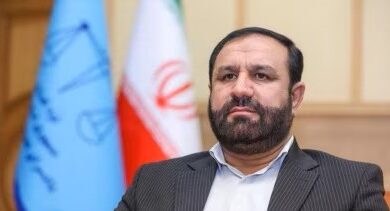
In a letter to Gholamhossein Mohseni Ejei, the head of Iran's judiciary, about 2,800 Iranian citizens demanded a re-examination of the cases of imprisoned environmental activists, given the resignation of Hossein Taeb as head of the Revolutionary Guards' intelligence department and their use of the possibility of conditional release.
The letter, which has been signed by more than 2,780 people, names the imprisoned environmental activists as "the most prominent and renowned experts and specialists in wildlife studies and conservation in the country" who have been in prison for more than four years.
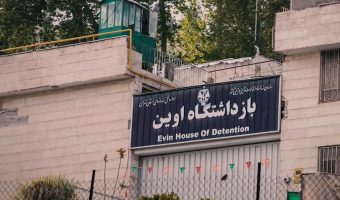
Murad Tahbaz, Niloufar Bayani, Taher Ghadirian, Hooman Jokar, Sam Rajabi, Amir Hossein Khaleghi, Sepideh Kashani, and Abdolreza Koohpayeh have been imprisoned since February 2017 on charges such as “espionage” and “collaboration with hostile states.” The signatories of this letter, however, recalled the official position of the Ministry of Intelligence in the previous government, which stated that “the reaction was espionage by these individuals.”
The aforementioned letter also refers to the report of the four-member committee of the 12th government, consisting of the ministers of the interior, intelligence, justice, and the vice president for legal affairs, which also "admitted that there is no evidence of espionage activity by these environmental activists."
Hassan Rouhani's government had repeatedly emphasized that "the Ministry of Intelligence, as the only official authority for identifying espionage, has declared that these individuals are not spies." However, the main claimant in this case was the Revolutionary Guards' intelligence, headed by Hossein Taeb.
Referring to the recent changes in the IRGC Intelligence Directorate and Taeb's resignation from this position, the signatories of the letter have asked the head of the Iranian judiciary to "re-evaluate the case of these activists from a specialized perspective by the Ministry of Intelligence and the IRGC Intelligence Organization during the current tenure of Brigadier General Kazemi."
The letter then notes that the eight imprisoned environmental activists “are fully eligible for parole because they have not only served one-third of their prison sentences, which is the most basic condition for parole, but have also served more than half of their prison sentences… and there is also no provision in their convictions to compensate the private plaintiff for the losses suffered in this case.”
Among the signatories of this letter are many prominent academic, legal, social, and artistic figures, such as Mahmoud Karami, full professor at the Faculty of Natural Resources at the University of Tehran; Abdolhossein Vahabzadeh, a veteran environmentalist and ecologist; Esmaeil Kahrom, a university professor and former advisor to the head of the Environmental Organization; Bijan Farhang Darreshuri, an ecologist and senior environmental researcher; Asghar Mohammadi Fazel, a retired faculty member of the Faculty of Environment; as well as Hedeyeh Tehrani, Reza Kianian, Rakhshan Bani-Etemad, and Mojtaba Mirtahmasb.
Kavous Seyed Emami, a university professor and environmental activist, was also arrested in the case along with eight other environmental activists, but his family was later informed that he had “committed suicide” in prison. Mr. Seyed Emami’s family has denied this claim.
Source: Radio Farda