Prisons in the Shadow of Explosions; Exposing Repression and Vulnerability of Christian Prisoners in Evin and Fashafuyeh
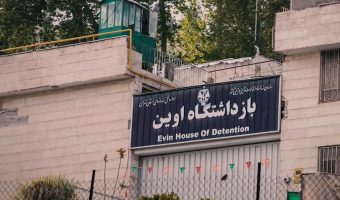
Prisons are facing suppression and explosions in the aftermath of war, and reports indicate intensified pressure on Christian prisoners in Evin and Fashafuyeh facilities, with blatant violations of human rights.
While attention is focused on military developments and regional tensions, what is happening behind the tall walls of Iran’s prisons paints a disturbing picture of the helplessness of people who have already been victims of repression. Recent reports from inside Iran show that conditions for prisoners, particularly in Evin Prison and Fashafuyeh Prison, have reached an alarming stage.
According to informed sources, “increased security measures, explosion sounds heard within the boundaries of these prisons, and deteriorating conditions for imprisoned inmates.” These developments occur as thousands of political prisoners, ideological detainees, and arrested protesters continue to live in ambiguous and unsafe circumstances in recent months.
Furthermore, reports about food shortages and inadequate conditions show that food supply for prisoners has been cut off and the prison’s internal shop has been closed, exposing inmates to the risk of severe hunger. This issue further exacerbates the humanitarian crisis in prisons and demonstrates that the Islamic Republic is unwilling to observe even the most basic human rights for prisoners, even in conditions of crisis and war.
Among the prisoners, at least 16 Christian citizens are being held in Evin Prison solely because of their religious beliefs and peaceful Christian activities. Additionally, reports indicate the arrest of 48 Christians in various parts of the country. This figure is part of a continuous pattern of pressure on religious minorities in the Islamic Republic—a pattern that, over the past four decades, has repeatedly been accompanied by arbitrary arrests, heavy sentences, and security charges against Christian citizens and activists.
Religious freedom advocacy organizations have repeatedly stated that charges such as “acting against national security” or “espionage” in many cases involving Christians have merely been a legal cover for suppressing peaceful religious activities.
The Center for Human Rights in Iran, noting the situation of detainees, has stated that concerns are particularly serious regarding tens of thousands who were arrested during recent nationwide protests and some of whom remain in forced disappearance. The organization has warned against the renewed use of vague charges such as “acting against national security” and “espionage,” charges that have previously been used to issue heavy sentences, including death sentences.
The statement by this organization says: “We call on governments around the world and international organizations to immediately use all available diplomatic and political channels to pressure Iranian authorities for the release of all political prisoners and detainees and ensure that no death sentences are carried out during this period of conflict.”
It has also been emphasized: “We call on all parties to refrain from any action that could endanger the security of vulnerable prisoners and detainees. According to international humanitarian law in times of war, prisons are considered protected places. The rights, security, and humane treatment of all prisoners and detainees must be fully guaranteed and respected in accordance with international law.”
Reports indicate the deployment of special NOPO forces in Evin Prison, a unit responsible for anti-riot and security operations. This presence has intensified concerns about possible implementation of stricter restrictions, harsh treatment, and increased pressure on prisoners.
It has also been reported that management of Evin Prison has experienced serious disruption, with staff locking doors and evacuating some sections, a situation that has disrupted prisoners’ access to the prison shop and essential items. Such actions in crisis conditions deprive prisoners of their most basic human needs.
This is not the first time prisoners have been exposed to direct danger amid military confrontations. During the 12-day conflict between the Islamic Republic and Israel, reports emerged of deteriorating conditions in prisons. Following an attack on Evin Prison, a group of prisoners was transferred to Tehran’s Central Prison and Qarchak Prison; among them were 11 Christian ideological prisoners who were held in crowded cells with approximately 40 other inmates. Released reports indicated food shortages, inadequate sanitary conditions, and severe overcrowding.
At that time, the organization “Article 18” expressed deep concern about the security of these prisoners and recalled that prisoners, especially in critical and wartime conditions, are in the most vulnerable positions and protecting their lives and dignity is an immediate responsibility.
Based on reports, prisoners have been kept unaware of ongoing military developments. In previous attacks, despite known dangers, no evacuation occurred for their protection, and some prisoners were wounded during transfers. This situation raises serious questions about the accountability of prison authorities and compliance with international standards.
What is happening today in Evin and Fashafuyeh is a continuation of the path the Islamic Republic has followed over the past 47 years: “securitizing faith, criminalizing protest, and using prison as a tool of intimidation.” Within this framework, religious minorities, including Christians, have always faced doubled pressure.
While prisons should be protected places according to international law, existing reports show that prisoners in Iran not only lack special protection but are abandoned to their fate during critical moments.
For the Christian community and religious freedom advocacy organizations, the fundamental question is: Will the world hear the voices of these helpless prisoners, or will the tall walls of Evin continue to bury the truth in silence?