The Iranian judiciary's bloodlust against the people instead of justice
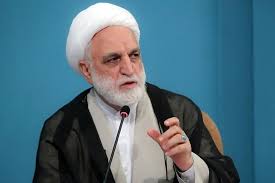
Gholamhossein Ejei has called on the judiciary to "resolutely and effectively take revenge" on protesters while hundreds of human rights victims in Iran continue to die silently.
The recent protest movement in Iran, which has seen millions of people across the country chanting slogans against government repression and corruption, has entered a bloody and brutal phase. As millions of Iranians have taken to the streets, facing the threat of death and arrest, the head of the Islamic Republic’s judiciary, Gholamhossein Ejei, has made a blunt statement: “We will avenge this blood that has been shed,” and called for “decisive and effective” enforcement of this avengement. He also ordered the expedited trial and punishment of those he described as the “main elements” of the protests.
The state-run Tasnim news agency, which is close to the Revolutionary Guards, has claimed that more than 100 security personnel have died in the crackdown, with the highest number in Isfahan province. Ejei called the protesters “terrorists” and ordered judges to show no “leniency or tolerance” towards them. He also accused the US and Israel of “inciting” the protests and claimed that the unrest was being led by “provocateurs” from abroad.
However, published videos and reports from human rights organizations show that the real violence was from government forces. Published reports and videos also indicate that a large number of bodies of deceased protesters are piling up at the Kahrizak forensic center.
The organization has so far confirmed 544 civilians killed and more than 10,000 arrested. The actual death toll may be in the thousands, and some estimates, including those by a group of Iranian academics abroad, put the death toll as high as 6,000.
“The protests this time are much more organized and much more persistent. The police attacks are much, much more violent,” said a protester in Shiraz who spoke to TIME and used the name “Louis” for his own safety.
The "One Word" lawyers' network has issued a statement warning of "the risk of repeating the scenario of field trials and extrajudicial executions of protesters" and emphasizing that the silence and delay of international institutions and governments will cost more lives. "Halil Neuer," the executive director of the human rights organization "UN Watch," criticized the inaction of this organization and called for an emergency meeting of the UN, noting that no resolution or investigation has been held regarding these protests so far.
This situation shows that the Islamic Republic is seeking revenge and bloodshed against its own people, instead of implementing justice, and that the international community and international institutions, with their silence, are practically enabling the continuation of this repression and human rights violations.