Anniversary of the killing of Pastor Hayek Hospianmehr, a reminder of the heavy price of faith and religious freedom in Iran
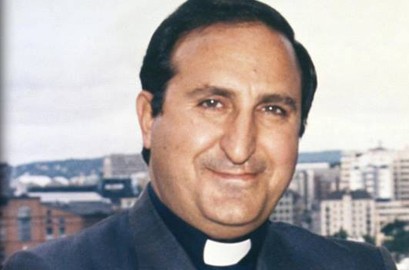
On the anniversary of the murder of Pastor Hayek Hospianmehr, a prominent leader of Iranian Protestant Christians, a case is once again being opened that symbolizes the suppression of religious freedom, the silence of justice, and the faith-based resistance of Christians in the Islamic Republic.
On the anniversary of the assassination of Pastor Hayek Hospianmehr, one of Iran's most well-known Christian leaders, the Persian-speaking Christian community and defenders of religious freedom once again honor the memory of a man who lost his life defending faith, human dignity, and the right to religious freedom.
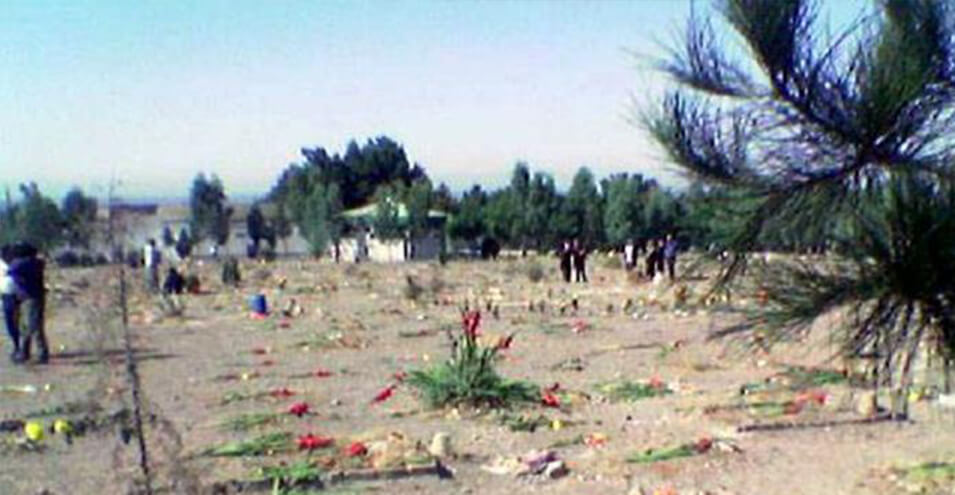
Hayek Hospianmehr, a bishop and leader of the Protestant Church of Iran and a prominent figure among evangelical Christians, was mysteriously murdered in the 1990s. His body was found after he disappeared, showing signs of severe violence. More than three decades later, his murder case remains shrouded in mystery, and no transparent and independent process has been conducted to investigate the crime.
Pastor Hospianmehr was not only a church leader, but also an outspoken voice in defense of Christians and prisoners of conscience. He repeatedly protested the arrest, pressure, and persecution of Christians in Iran, and in particular, in the case of the arrest and conviction of Pastor Mehdi Dibaj, he played a key role in informing and pursuing the international investigation; an action that made him a sensitive and targeted figure for security agencies.
His activities were not limited to the Christian community. Hospianmehr publicly defended the principle of religious freedom as a fundamental right for all Iranian citizens, believing that faith was voluntary and outside the realm of government coercion.
The murder of Pastor Hayek was part of a broader pattern of systematic repression and elimination of religious leaders and religious minorities in Iran, a pattern that continued in the following years with the arrest, imprisonment, exile, and even suspicious deaths of other religious activists. Christians, especially converts from Islam, continue to face charges such as “acting against national security” or “propaganda against the system,” charges that effectively punish peaceful religious faith and activity.
Despite efforts to eliminate him physically and spiritually, the name and legacy of Pastor Hayek Hospian still lives on in the collective memory of Iranian Christians. For many, he is a symbol of "martyrdom in faith" and resistance to oppression; a figure who demonstrated that loyalty to Christ and truth, even in the most difficult circumstances, can inspire generations.
The anniversary of his killing is not only a reminder of an unsolved crime, but also a serious warning about the state of religious freedom in Iran today; a situation that continues to require the attention, solidarity, and follow-up of the global Christian community and human rights defenders.