The Guardian Council declared dozens of parliament members “incompetent”
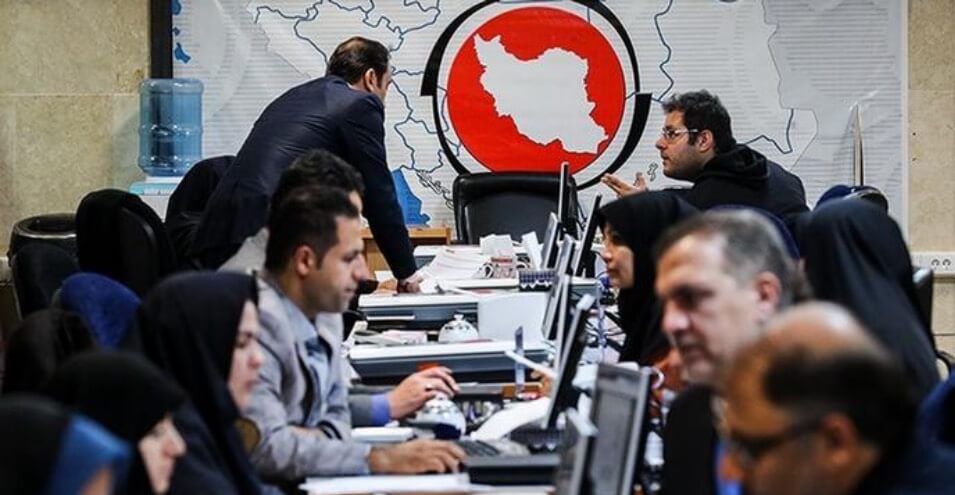
کار بررسی صلاحیت نامزدان شرکت در دوره یازدهم مجلس شورای اسلامی توسط منصوبان خامنهای در شورای نگهبان خاتمه یافت. گفته میشود صلاحیت دهها نماینده کنونی که چهار سال پیش توسط همین شورا تأیید شده بود اکنون رد شده است.
عباسعلی کدخدایی، سخنگوی شورای نگهبان، اعلام کرد در ساعات پایانی شنبه ۲۱ دی ماه کار بررسی صلاحیت داوطلبان نامزدی در انتخابات دوره یازدهم مجلس شورای اسلامی پایان یافت و نتیجه آن برای ابلاغ به ثبتنامکنندگان برای فرمانداران و بخشداران فرستاده شد.
مطابق تبصره ۲ ماده ۵۲ قانون انتخابات کسانی که صلاحیتشان تأیید نشده میتوانند به شورای نگهبان شکایت کنند. به همین دلیل آمار نهایی رد و تأیید صلاحیت شدگان پس از رسیدگی به شکایتها قطعی خواهد شد اما تجربه دورههای پیش نشان میدهد احتمال تجدید نظر در تصمیمهای گرفته شده بسیار اندک است.
به طور معمول بیشترین نظرها متوجه چهرههای معروف رد صلاحیت شده، از جمله نمایندگان کنونی مجلس است. گفته میشود دستکم یک سوم نمایندگان کنونی تهران که همه با فهرست “امید” به مجلس دهم راه یافتهاند رد صلاحیت شدهاند.
رد بیسابقه صلاحیت نمایندگان مجلس
وبسایت خبرآنلاین میگوید برخی خبرها حکایت از رد صلاحیت ۱۳۵ نماینده کنونی مجلس دارد. اگر این خبر صحت داشته باشد این میتواند بالاترین میزان رد صلاحیت نمایندگان مجلس برای دوره بعدی باشد و تا کنون در این سطح سابقه نداشته است.
چهار سال پیش گرچه شورای نگهبان صلاحیت نزدیک به ۶۰ درصد داوطلبان را تأیید نکرده بود تعداد نمایندگان مجلس نهم که رد صلاحیت شدند حدود ۵۰ نفر بود.
شش فقیه شورای نگهبان که منصوبان رهبر جمهوری اسلامی، علی خامنهای هستند در رد یا تأیید صلاحیت داوطلبان نامزدی در انتخابات مجلس نقش اصلی را بر عهده دارند.
بر پایه نموداری که خبرگزاری ایرنا منتشر کرده در استانهایی مانند البرز و کرمانشاه صلاحیت کمتر از ۴۰ درصد داوطلبان تأیید شده است. این میزان برای استانهای تهران، اصفهان، بوشهر، هرمزگان، کردستان، ایلام، گلستان، آذربایجان غربی و سیستان و بلوچستان بین ۴۰ تا ۵۰ درصد است.
در میان رد صلاحیت شدگان تهران نام کسانی چون محمود صادقی، علی مطهری، طیبه سیاوشی، فاطمه سعیدی و علیرضا محجوب به چشم میخورد. صادقی و محجوب احتمال دادهاند رد صلاحیت آنها به دلیل تشابه اسمی رخ داده باشد و مطهری گفته هنوز نامه فرمانداری به دستش نرسیده است. صادقی اندکی بعد در یک پیام توئیتری رد صلاحیت خود را تأیید کرد.
از میان سی نماینده استان تهران برخی مانند پروانه سلحشوری و محمدرضا عارف، رئیس فراکسیون امید، جناح موسوم به اصلاحطلبان حکومت جمهوری اسلامی، برای نامزدی در رقابتهای انتخاباتی ثبتنام نکردهاند. علی لاریجانی، رئیس کنونی مجلس، یکی دیگر از غایبان سرشناس این دوره است.
رد صلاحیت ۲۵ نماینده خوزستان و فارس
به گزارش خبرگزاری ایرنا از ۱۸ نماینده کنونی استان خوزستان در مجلس دهم ۱۶ نفر و از همین تعداد نماینده استان فارس ۹ نفر رد صلاحیت شدهاند. این گزارش میافزاید در اردبیل اصلاحطلبان و در آذربایجان شرقی و غربی اصولگرایان سهم بیشتری از رد صلاحیتها را به خود اختصاص دادهاند.
بر پایه آخرین آمار اعلام شده از سوی وزیر کشور، عبدالرضا رحمانی فضلی، حدود ۱۴ هزار نفر در سراسر ایران برای شرکت در رقابتهای انتخاباتی مجلس ثبتنام کردهاند. گفته میشود نزدیک به ۹۰ درصد ثبتنام کنندگان مرد بودهاند.
این رقابتها بر سر تصاحب یکی از ۲۹۰ کرسی مجلس یازدهم در ۲۰۸ حوزه انتخاباتی انجام میشود. دور نخست انتخابات مجلس دوم اسفند ماه برگزار خواهد شد.
مطابق گزارشها در دوره دهم انتخابات مجلس بیش از ۱۲ هزار نفر به عنوان داوطلب ثبتنام کردند که بر پایه گزارش رسمی شورای نگهبان تنها صلاحیت ۴۲ درصد آنها تأیید شده است.
افزایش تعداد داوطلبان به رغم انتقاد خامنهای
افزایش دو هزار نفری تعداد داوطلبان در این دوره در حالی رخ داده که رهبر جمهوری اسلامی و کدخدایی پیش از شروع ثبتنام داوطلبان از کثرت تعداد آنها به شدت انتقاد کرده بودند.
عباسعلی کدخدایی یکی از علتهای بالا بودن رد صلاحیتها در انتخابات سالیان اخیر را افزایش شمار ثبتنام کنندگان به نسبت دهههای ۶۰ و ۷۰ عنوان میکند. او میگوید در سالهای اخیر “هر کسی خود را مکلف به شرکت در انتخابات میبیند” و ابراز تاسف میکند که “شاهد جشنواره ثبتنام افراد هستیم”.
سخنگوی شورای نگهبان نهم آذر ماه درباره نحوه رسیدگی به صلاحیتها به مدیران رسانهها گفت: «ما از قانون فعلی ۳ محور اصلی را استخراج کرده و مبنا و معیار عمل خود قرار دادهایم؛ فساد اقتصادی، فساد اخلاقی و ضدیت با نظام و انقلاب، سه محور اصلی شورای نگهبان در بررسی صلاحیتها است و محکم روی این سه محور ایستادهایم.»
به طور معمول “عدم التزام عملی” به اسلام و ولایت مطلقه فقیه مهمترین علت رد صلاحیت داوطلبان شرکت در رقابتهای انتخاباتی است و اغلب نمایندگان کنونی مجلس با همین اتهام رد صلاحیت شدهاند. یکی از چهرههای مشهوری که صلاحیتش تأیید شده محمد باقر قالیباف، شهردار سابق تهران است که برخی احتمال میدادند به خاطر پروندههای فساد مالی شهرداری رد صلاحیت شود. از او به عنوان یکی از گزینههای احتمالی نشستن بر صندلی علی لاریجانی نام برده میشود.
Source: DW