UN Official: Iran Has Expelled 360,000 Afghan Refugees
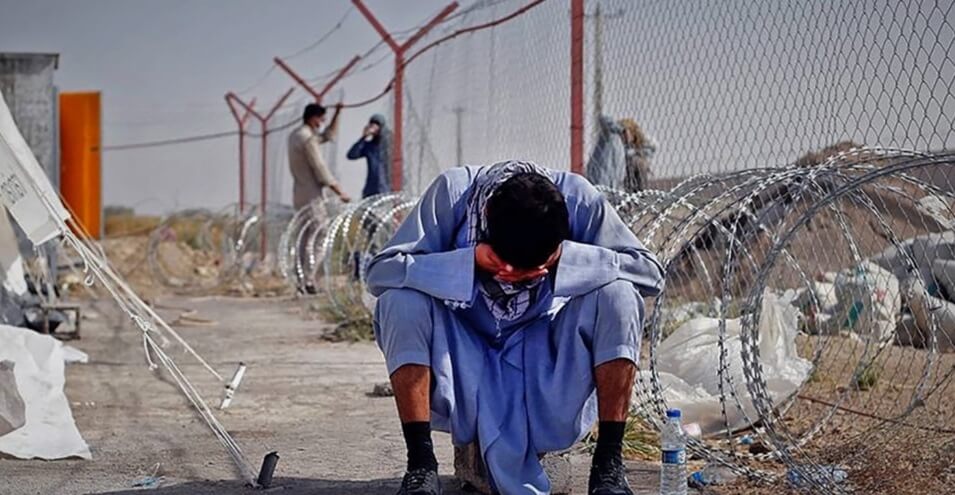
The American newspaper Wall Street Journal reported on Sunday, December 21, that the Islamic Republic of Iran has increased the expulsion of Afghan refugees who are trying to escape the Taliban and poverty, and these expulsions have taken on an unprecedented scale.
The newspaper, which reported from the city of Zaranj, the capital of Nimruz province and from Afghan border cities with Iran, wrote that “Iran has expelled hundreds of thousands of Afghans in recent months and shows no willingness to review asylum requests.” A UN official announced the number of expelled people as 360,000.
According to the report, only in this section of the border, between 2,500 to 4,000 Afghans are expelled daily by Iranian officials and sent to Zaranj, and this situation has caused border tensions in the region.
The Zaranj border is the same area that witnessed an armed clash between Taliban forces and Iranian border guard forces on December 10 of this year.
A UN official told Wall Street Journal that “Iranian officials simply bring people to the border area and abandon them, and the percentage of expulsions has increased significantly since the Taliban took control.”
Most of these people returned from Iran are forced to cross the border bridge called the “Silk Bridge” and the traffic and climatic conditions of this border area are described as poor and harsh in reports.
From August when the Taliban took control of Afghanistan until December 5 of the current year, nearly half a million Afghans who had illegally entered Iran have returned.
According to UN officials, approximately 360,000 of them have been expelled from Iran and 126,000 have also “voluntarily” returned, but according to Wall Street Journal, UN officials say many of these people have likely returned due to fear of expulsion.
Iran is home to more than three million Afghan citizens, most of whom are migrant workers and refugees. Many of them lack documentation, meaning they are deprived of social support and face the risk of detention and expulsion.
Iranian security forces routinely raid factories and businesses and round up those who lack legal documents.
According to the UN Refugee Agency report, Iran and Pakistan host approximately 90 percent of 2.6 million Afghans registered as refugees worldwide, making it the second-largest refugee population in the world after Syrians.
One day before the Wall Street Journal report, on Saturday, December 20, the French news agency also published a report stating that aid organizations and witnesses in the region say that Iran returns tens of thousands of Afghan migrants to Afghanistan under Taliban rule every week, and many of these Afghans say they were mistreated by Iranian authorities.
Afghan returnees who spoke with the French news agency say that in Iran they were held in crowded and dirty detention centers and some were beaten before being transferred to the border crossing.
Multiple reports indicate that refugees whose asylum applications Iran has not reviewed and who have been forcibly returned face financial difficulties and doubled poverty upon return because they used much of their savings for long journeys to Iran.
Source: Voice of America