Continued Ideological Persecution in Iran: Baha’i Citizen Detained in Shiraz Without Court Order
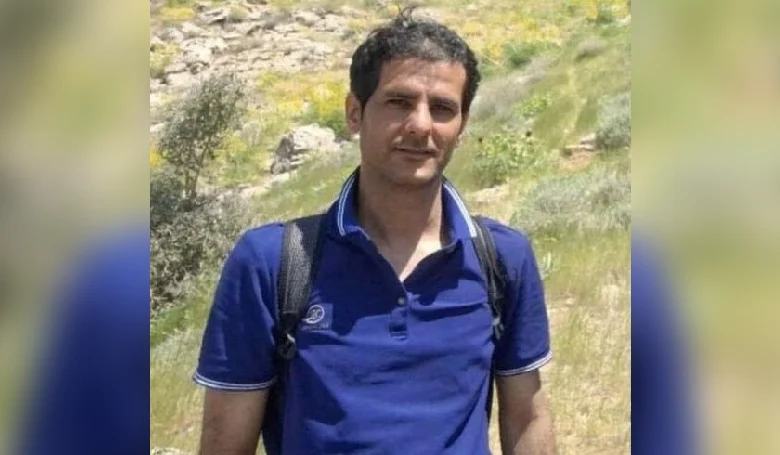
The Islamic Republic continues its policy of pressuring religious minorities; a policy that this time, with the detention of “Saeed Hasani,” a 37-year-old Baha’i citizen in Shiraz, has once again heightened concerns about intensified systematic persecution against followers of the Baha’i faith. Detention without presentation of a court order, house searches, and seizure of personal belongings, including electronic devices, are among the actions that human rights activists consider part of the ongoing process of violating freedom of conscience and religion in Iran.
According to published reports, at 10 a.m. on Tuesday, June 23rd, officers from the IRGC Intelligence Organization detained Saeed Hasani at his workplace in Shiraz without presenting any court order or judicial documents.
According to released information, the officers transferred him to his private residence after his detention, and with a thorough search of his home, they confiscated his mobile phones, electronic equipment, and other digital devices belonging to him and his family members. Saeed Hasani was transferred to the quarantine ward of Adelabad Prison in Shiraz following the completion of this search.
This is not the first judicial encounter for this Baha’i citizen. He had previously been detained in July 2016 solely due to his religious beliefs. That case ended after several months of temporary detention with temporary release and eventually the issuance of an acquittal verdict; a matter that now raises questions about the reasons for his re-detention and the possibility of repeated security-related prosecution against Baha’i citizens.
Until the time of this report’s preparation, authorities of the Islamic Republic have provided no explanation regarding the reason for the detention, the charges brought, or the status of Saeed Hasani’s case. The silence of security and judicial institutions in such cases has become one of the characteristics of Baha’i citizens’ detentions in recent years; detentions that are often carried out without transparent notification and without the detainees’ immediate access to lawyers.
The global Baha’i community, Amnesty International, and other international human rights organizations have repeatedly stated over the past years that Baha’is in Iran face systematic discrimination, arbitrary detention, deprivation of education and employment, confiscation of property, and security pressure due to their religious beliefs. These organizations have emphasized that the Islamic Republic does not recognize the Baha’i faith, and this very issue has paved the way for the continuous violation of the civil rights of followers of this religion.
Human rights activists believe that the continued detention of Baha’i citizens is part of the Islamic Republic’s broader policy to restrict freedom of religion and belief and create an atmosphere of fear among religious minorities. In their view, the Iranian government, by using security and judicial institutions, targets not only political critics but also citizens who are identified solely because of their religious beliefs; an approach that continues to face widespread criticism from international human rights organizations.