Gilan Under Shadow of Executions; Human Rights Activists Warn of Fate of Five Political Prisoners
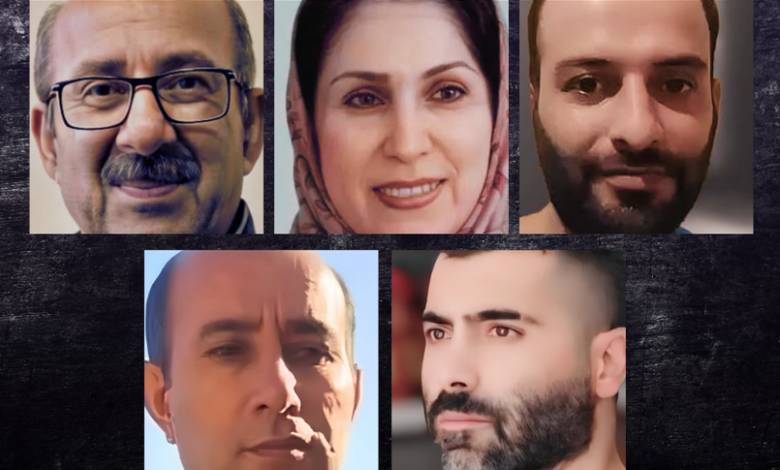
As human rights organizations report a dramatic increase in executions in Iran, concerns over the fate of five Gilaki political prisoners in Lakan Prison in Rasht have reached a new level. Reports indicate that “Manouchehr Fallah,” “Peyman Farahavar,” “Yaqoub Derakhshan,” “Zahra ShahbazTaberi,” and “Karim Khajeste” have faced death sentences following proceedings that human rights activists consider lacking fair trial standards. These cases are being raised at a time when international organizations have warned of increased expedited trials, forced confessions, and political use of capital punishment in Iran.
According to information released by the human rights organization Hengaw, all five prisoners are currently being held in Lakan Prison in Rasht, and there are fears that the sentences issued against them may be carried out in the near future. The organization has emphasized that the defendants were deprived of fundamental rights such as effective access to lawyers during detention and legal proceedings, and the death sentences were issued based on security and political charges.
Among these individuals, the name of Peyman Farahavar, a 37-year-old Gilani poet, has drawn particular public attention. According to published reports, much of his activity has involved criticism of environmental destruction, agricultural land conversion, and the economic situation of farmers in Gilan Province. Human rights sources state that during his detention, he was denied the right to visits and free access to a lawyer and was subjected to severe pressure.
The case of Zahra ShahbazTaberi is also considered one of the controversial cases in this group. This 68-year-old electrical engineer and civil activist had previously faced a death sentence annulment in the Supreme Court, but after her case was referred again, she was once more condemned to capital punishment. Human rights activists believe that the documentation presented against her was insufficient and unreliable for issuing such a sentence.
Karim Khajeste, a political prisoner from the 1980s; Yaqoub Derakhshan from Bandar Anzali; and Manouchehr Fallah from Rasht have also been sentenced to death in separate cases on charges such as “moharebeh” (waging war against God) and “baghyi” (armed rebellion). Families and human rights defenders say no documented and transparent details about the allegations against them have been published, and the proceedings have been marked by serious ambiguities.
These concerns are being raised in a broader context. Amnesty International has stated in recent months that Islamic Republic authorities have expanded the scope of suppression of opponents and critics through mass arrests, unfair trials, and carrying out death sentences. The organization has warned that dozens of political prisoners, protesters, and government critics are at risk of execution, and many of them have been tried in proceedings lacking international trial standards.
Reports released by human rights organizations also show that the number of political executions in Iran has been on an upward trend in recent months. Hengaw reported a dramatic increase in executions of political and ideological prisoners in 2026, describing this trend as part of a policy of creating terror and silencing the voices of critics.
Critics of the Islamic Republic believe that capital punishment in many political cases is being used not as a tool for justice, but as a means of organized suppression of opponents. They warn that indifference by the international community in the face of the current wave of executions could pave the way for the expansion of human rights violations and increased pressure on political prisoners in Iran. In response, Islamic Republic officials have consistently rejected allegations of unfair trials and political use of capital punishment.