154-Year Christian Heritage Under Threat from Islamic Republic; New Pressure on Tehran Evangelical Church
Pressure from the Islamic Republic on Iran’s Christian community has entered a new phase. Only weeks after the nighttime demolition of the historic Evangelical Church in Mashhad, reports now indicate increased threats of evacuation and complete seizure of the 154-year-old Evangelical Church compound in Tehran; an action that not only targets the historical heritage of Iranian Christians but has also put the lives of 28 elderly Christian citizens at risk of displacement. This process once again demonstrates that the Iranian government, alongside suppressing political opponents, is pursuing pressure on religious minorities and silencing every independent voice with greater intensity.
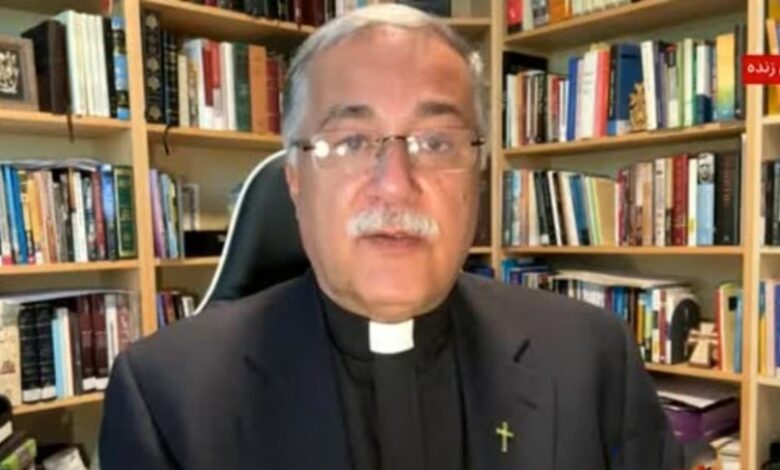
According to statements by Mansour Khajeh-Pour, pastor of the Crossroads Evangelical Church in Seattle, the Tehran Evangelical Church complex, which was built in 1872, has gradually lost portions of its land and buildings since the establishment of the Islamic Republic. This complex, located on Tehran’s 30 Tir Street, previously encompassed four hectares but has been partially confiscated over recent decades, with only approximately two and a half hectares remaining today.
According to Khajeh-Pour, pressure on residents of this compound has intensified alongside the demolition of the Mashhad Evangelical Church. Currently, 28 elderly Armenian and Assyrian Christian citizens, most of whom are elderly and of limited means, live in residential units of this complex. He states that individuals affiliated with government institutions have approached these residents demanding they vacate their homes, offering two billion tomans per person in return; an action he describes as an attempt to “tempt them into accepting full government control over the church.”
Khajeh-Pour also announced that although no formal eviction order has been issued to date, approximately 15 to 20 years ago the property deed was transferred to the Executive Headquarters of the Imam’s Decree in what he describes as a “one-sided court proceeding,” without the presence or opportunity for church representatives to present a defense.
This Iranian pastor, referring to the two-thousand-year history of Christian presence in Iran, emphasizes that the Christian community has always lived peacefully alongside other Iranian citizens and, despite continuous pressures, religious services were still being held at this church until last Sunday.
Meanwhile, international reactions to these developments have intensified. The World Council of Churches issued a statement expressing deep sorrow and serious concern over the destruction of the Mashhad church and reports of increased pressure on the Tehran Evangelical Church compound, calling on the Islamic Republic to halt any measures to confiscate, transfer ownership, or change the use of church properties. The council also expressed concern regarding reports of threats to church staff, pressure on residents to vacate, and attempts to transfer church assets.
The World Communion of Reformed Churches has also condemned the destruction of the Mashhad church and called on its member churches to take action to defend religious freedom and preserve the historical sites of Iranian Christians. The organization has also called on the international community to hold the Iranian government accountable for its international commitments regarding religious freedom and protection of religious heritage.
New pressures against the Tehran Evangelical Church occur in circumstances where many observers view these actions as part of the Islamic Republic’s ongoing policy to restrict the activities of religious minorities, confiscate assets of independent institutions, and create an atmosphere of terror and silence in society; a policy that critics argue has expanded its scope with each passing day, targeting not only political and civil activists, but also elderly citizens, religious minorities, and historical religious centers.
Mansour Khajeh-Pour also commented on the current situation of Iranian Christians: “Christians inside the country are severely worried and fearful. This church has been their place of worship and prayer for the country’s security. In contrast, the Christian community outside the country has expressed anger at these actions and emphasizes pursuing their rights and not backing down.”