MEPs: EU should recognize 1988 massacres in Iran as "genocide"
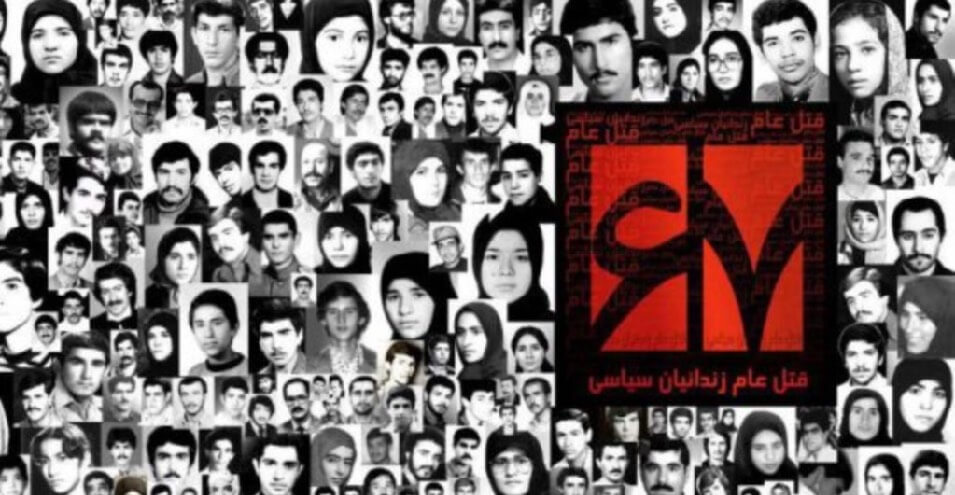
More than 100 members of the European Parliament, including 14 former ministers - including foreign ministers - called on the European Union and its member states to adopt a firm policy in nuclear negotiations with the Islamic Republic government and to officially recognize the 1988 massacre in Iran as "genocide" and a "crime against humanity."
More than 100 members of the European Parliament on Tuesday called on the EU and its member states to “officially recognize the 1988 massacre in Iran as genocide and a crime against humanity,” in a statement addressed to EU leaders, including Josep Borrell, the EU’s vice president and high representative for foreign affairs and security policy.
This statement, which was issued at the initiative of the "Friends of a Free Iran" group in the European Parliament and signed by a number of European Parliament members from different political groups, calls on the European Union and its member states to adopt a firm policy towards the Iranian government, especially in the nuclear negotiations, and to make "respect for human rights and the abolition of the death penalty a precondition for their relations" with the Islamic Republic.
The statement, referring to the fatwa of Ayatollah Ruhollah Khomeini, the founder of the Islamic Republic, regarding the "execution of political prisoners, especially those affiliated with the People's Mojahedin Organization of Iran" and the subsequent killing of thousands of political prisoners "after sham trials" lasting a few minutes, states that many of the most prominent international jurists have described the 1988 massacre as "clear evidence of crimes against humanity and genocide" and have called for "justice to be served and the initiation of judicial proceedings against its perpetrators."
The statement also referred to Ebrahim Raisi, the President of the Islamic Republic of Iran, as a member of the "death commission" and referred to the arrest, torture, and disappearance of thousands of people in November 2019 during his tenure as head of the judiciary.
The statement also referred to the report by UN Secretary-General Antonio Guterres on "grave human rights violations in Iran" and accusing the Iranian government of "destroying evidence of the execution of political dissidents" in 1988 and "harassing and prosecuting the families of the victims," as well as the trial of Hamid Nouri, one of the defendants in the 1988 massacres.
This September, 25 Nobel Prize winners, in a letter addressed to the Secretary-General of the United Nations on the occasion of the 33rd anniversary of the 1988 executions in Iran, emphasized the need to form an international commission to conduct an investigation into this matter.
The letter refers to a handwritten fatwa by Ayatollah Khomeini, the founder of the Islamic Republic, ordering the death penalty for "all individuals loyal to the People's Mojahedin," who he said were "enemies," and states that based on this fatwa, "within a few weeks, 30,000 political prisoners were executed after two-to-three-minute interrogations by the so-called death squads."
The trial of Hamid Nouri, one of the defendants accused of participating in the execution of political prisoners in Gohardasht Prison in the summer of 1988, is ongoing in Europe, and forty-eight sessions have been held so far.
Also, the November 98 People's Court was held in London on Wednesday, November 9, with the presence of a prosecution team, witnesses, and a group of human rights defenders and journalists, with the aim of investigating the killing and torture of people during the November 98 protests. This symbolic court examined the statements of 45 witnesses against more than 130 officials of the Islamic Republic, including Ali Khamenei and Ebrahim Raisi.
The Fars News Agency, close to the Revolutionary Guards, has called the November 2019 People's Court "a human rights case against Iran."