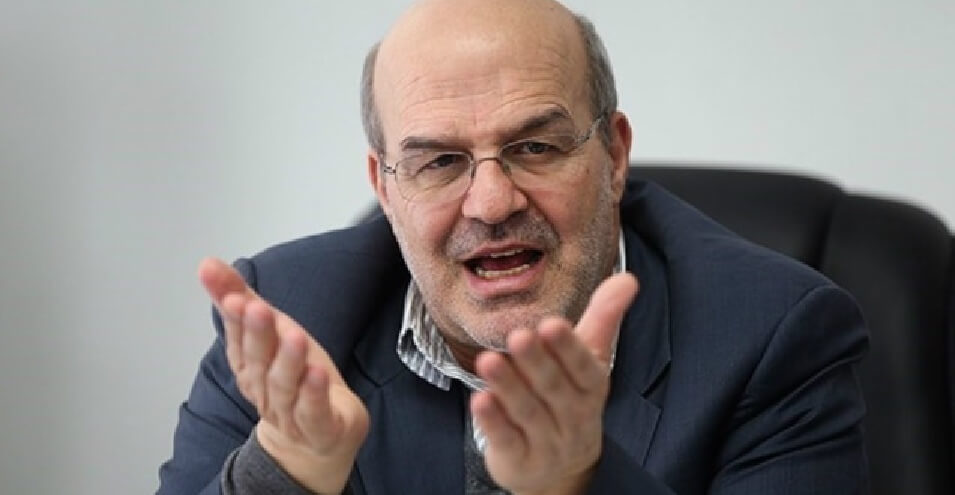
He wrote in the article: "Harassment of women is not limited to the film community, but is a corner of our society where the dominant power is in the hands of men and women have to go to men to get work. The employer is a man and if he is greedy, he can make unconventional offers to give work to women."
This week, Mohammad Mehdi Esmaili, Minister of Culture and Guidance of the Raisi government, said, “The objections of female filmmakers to sexual harassment will be addressed by the ethics committee of this ministry.”
Two months ago, a woman working in the film industry described the sexual, physical, and verbal harassment she suffered from a male actor and called on her colleagues to break their silence and, by confessing and protesting, cleanse the film industry of sexual harassers.
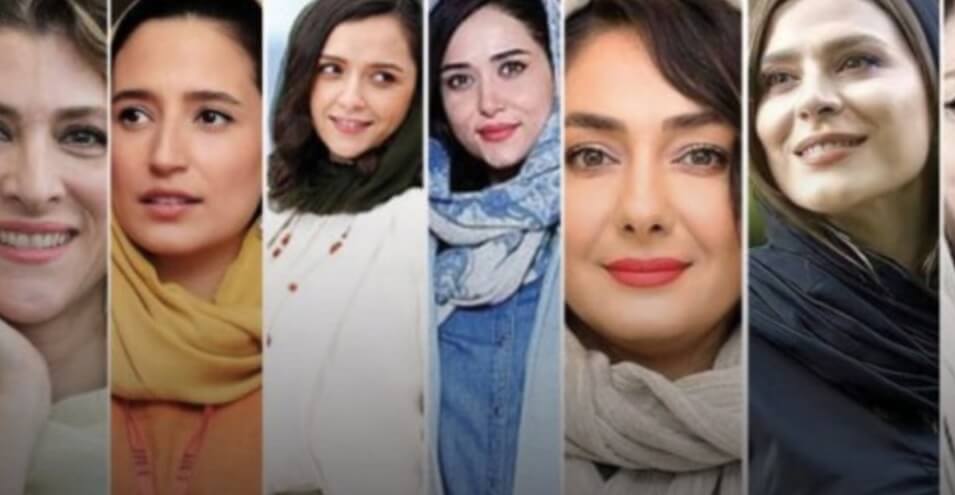
Following the increase in revelations about sexual harassment of women behind the scenes in Iranian cinema, more than 300 female filmmakers issued a statement acknowledging "systematic and widespread insults, violence, and sexual harassment" against women active in this field and calling for an investigation into the issue.
The signatories of this statement cited insults with sexual and gendered language, abuse of silence and toleration of individuals by threatening their work position or holding them hostage to their right to work and wages, unwanted physical contact, insistence and coercion for sexual intercourse, and rape as some examples of this harassment.
The statement calls on the cinema house to form an independent committee with an absolute majority of women to investigate the relevant complaints and provide victims of sexual harassment with lawyers and legal counsel.
The Cinema House suggested that one of its committees handle the complaints, but the protesting female filmmakers rejected the offer and formed an independent committee to "handle violence and harassment against female filmmakers."
The global "Me Too" movement was formed by women to protest sexual harassment. In Iran, since the summer of 2020, in continuation of the global "Me Too" movement, Iranian women have also shared their experiences of sexual harassment on social media, and in this regard, the names of well-known men in the fields of cinema and art have been raised.
Now, the joining of some Iranian male filmmakers in the movement to support abused women in the performing arts has increased hopes that this campaign will be fruitful.