Hook: Sanctions have reduced Tehran's oil revenue by more than $10 billion

The US State Department's representative for Iran says that the Donald Trump administration's sanctions against Tehran have "reduced the Iranian government's oil revenue by more than $10 billion" since last year.
On May 8, 2018, US President Donald Trump officially announced that his administration would withdraw from the nuclear deal with Iran and reinstate suspended sanctions against Tehran.
Tehran, the Obama administration, and five other countries reached an agreement in July 2015, known as the Joint Comprehensive Plan of Action (JCPOA), which resulted in restrictions on Iran's nuclear program and the lifting of sanctions.
Trump described this agreement as "one of the worst agreements" he had ever seen, and after winning the election, he withdrew from the "JCPOA," as he had promised.
According to Reuters, Brian Hook, the US State Department's representative for Iran, said in an interview with reporters on May 25, "Before the sanctions... Iran had an income of over $50 billion from oil sales. Our estimate is that since May of last year (the US withdrawal from the JCPOA), the sanctions have reduced this income by more than $10 billion."
With the United States' withdrawal, US sanctions against Iran returned in two waves, the second of which in November included oil sanctions.
When the US implemented oil sanctions, it granted eight countries six-month exemptions to purchase Iranian oil, but it has now refused to extend them.
The most important buyers of Iranian oil, which also benefited from the exemptions, were China, India, Türkiye, South Korea, and Japan.
Meanwhile, China and Türkiye have opposed the suspension of trade and criticized the US decision not to extend the exemptions and the threat of sanctions on buyers of Iranian oil.
Japan said the end of oil exemptions would have “limited consequences” for its economy. South Korean companies said they were “prepared” to deal with the fallout from the Iranian oil halt, although South Korea’s state news agency said Iranian oil was important for South Korea’s petrochemical production. India said it would seek “alternative sources” from other oil sellers.
US officials have stressed that their goal is to apply “maximum pressure” on the Iranian regime to “change its behavior.” US Secretary of State Mike Pompeo has set out 12 conditions that cover a wide range of demands, from Iran’s actions in the region, support for militias, missile tests, its nuclear program and other issues.
Washington says it wants to "reduce Iranian oil sales to zero" to implement its "maximum pressure campaign."
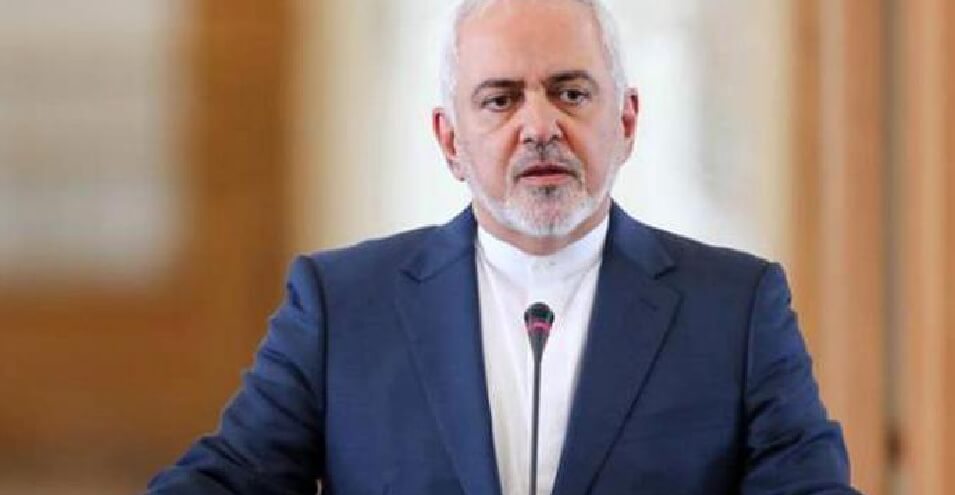
In response, the Leader of the Islamic Republic said, "We can export as much oil as we need and as we wish," and the Foreign Minister of the Islamic Republic also said in an interview with Reuters that Tehran has become an expert in methods of circumventing sanctions.
However, US officials say they are confident that buyers of Iranian oil, including the most important buyer of Iranian oil, China, “will find alternatives to Iranian oil.” They are also in talks with Seoul to find alternatives to Iranian oil. Japan already appears to be turning to other buyers.
Before the extensive sanctions against Iran that began years ago during the presidency of Mahmoud Ahmadinejad, Iran exported up to four million barrels of oil. Before the 1979 revolution, this figure reached even six million barrels per day. It is estimated that Iran's oil exports have now decreased to about one million barrels.
Source: Radio Farda