"Forgotten diseases" entering Germany through asylum seekers
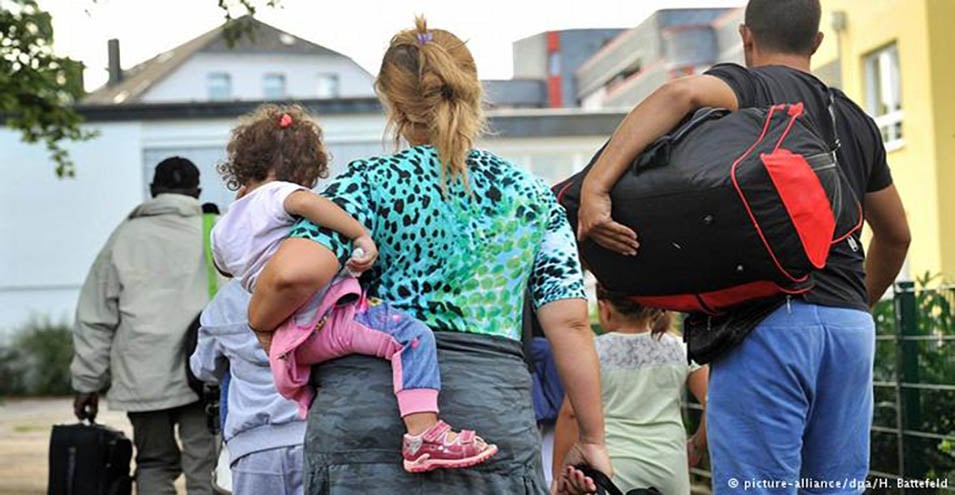
The refugee crisis has not only presented Germany with problems such as providing shelter and food for refugees, but has also presented the country with a new challenge due to the resurgence of "forgotten diseases" brought in by refugees.
According to Hans Jaeger, chairman of the "AIDS and Hepatitis" conference in Munich, a number of Syrian refugees who have come to Germany are infected with hepatitis B. Nearly a month ago, a Syrian refugee died from the same disease in a clinic in the city of Ingolstadt.
From March 11 to 13, nearly 1,200 experts will gather at the "AIDS and Hepatitis" conference in Munich to discuss the latest findings on long-term treatments for AIDS as well as new treatments for hepatitis C.
This year, one of the main topics of the conference is the refugee crisis and the diseases that European countries are facing due to refugees. "So far, we have seen a small number of AIDS patients who have come to Germany due to the current refugee situation. This number is lower than we initially feared," Hans Jaeger told the German news agency.
The AIDS rate in Syria is 0.1 percent, similar to that in Germany. In contrast, the hepatitis B rate in Syria is much higher at 2.3 percent.
However, Hans Jaeger emphasizes that this does not threaten the health of German citizens and that with the healthcare provided to refugees, there is no need to worry about the spread of these diseases in Germany.
Read more: What health services do asylum seekers have in Germany?
According to Jaeger, around 25 refugees with “relapsing louse fever” have been treated in Munich so far. The disease is more common in refugees migrating to Europe from East Africa.
These refugees do not have access to extra clothing during their dangerous journey of several months and generally wear only one pair of clothes, which is why the risk of disease transmission in this group is very high. According to Hans Jaeger, if relapsing fever is diagnosed in time, the disease can be treated with antibiotics. Otherwise, the disease can lead to the death of the patient.
Mumps, measles, and chickenpox have also been observed among refugee children in refugee shelters.
Mental health problems resulting from war and flight, psychological trauma resulting from rape and sexual violence in a large number of refugee women, as well as post-traumatic stress disorder (PTSD) in children are among other issues that the German healthcare system must address.