Cyberspace users, including the Isfahan representative, criticized the acid attack victim: It was shameful and demanding.
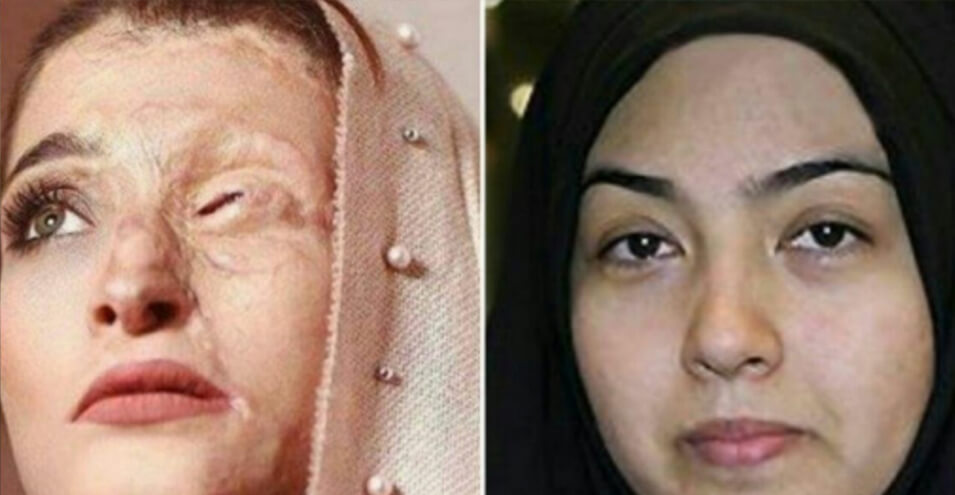
What was called "offensive literature" by a member of parliament against Marzieh Ebrahimi, one of the victims of acid attack, drew many critical reactions from social media users.
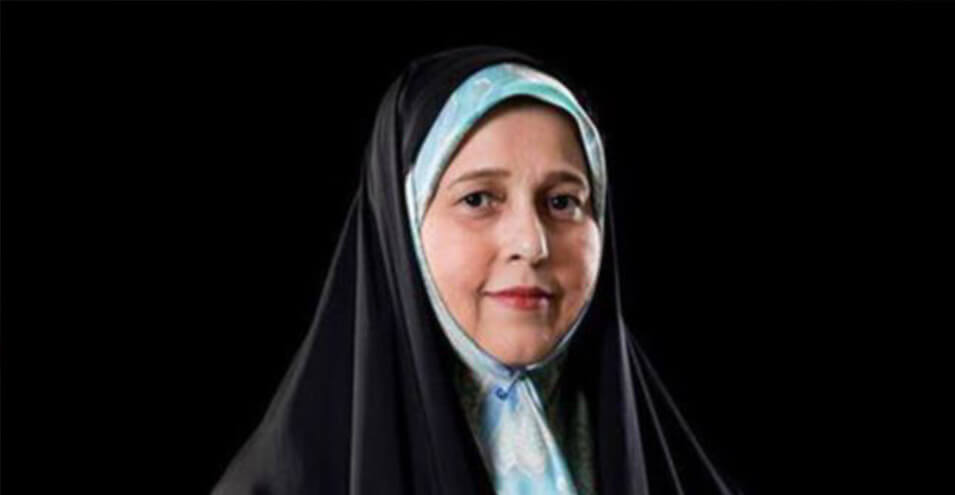
A group of acid attack victims attended the parliament on Sunday, May 19, during the discussion of the bill to increase punishment for acid attack. However, before the details of the discussion of the bill made news, the strange and insulting language used by Zahra Saeedi, a representative of the people of Mobarakeh, towards Marzieh Ebrahimi, one of the acid attack victims, caused controversy.
ISNA news agency reported that the MP addressed Marzieh Ebrahimi, who suffered severe injuries to half of her face during the acid attacks in Isfahan, and said (jokingly): "You have escaped the hands of the criminal Qeser and only one side of your face is damaged! What happened to the person who threw the acid?"
Marzieh Ebrahimi, who is from Isfahan herself, also said to the representative, "I am truly sorry that you are a representative of Isfahan and do not know that the perpetrators of the Isfahan acid attack have not yet been identified, and you are telling me that you are in a state of shock!"
The MP's strange remarks quickly drew reactions from users on social media.
Humorist Pourya Alemi, recalling the insult of a Saravan MP to a customs employee, criticized the way the MPs look down on the people.
A journalist also pointed to another victim of acid attack, who, as the MP put it, "was completely destroyed" and only had his hands burned.
The seat covers were burnt, parts of the car had reached the metal, of course #Qasr! It was torn, but not all parts had reached the metal, and there was paint in some places and the plastic was still there. For example, the steering wheel of the car was also #Qasr! It was torn. Mina still had her medicines on the seat, she had a white scarf on her head and she had pulled it over her face, the doctor had said she shouldn't/2
— Marjan Laghaee (@MarjanLaghaee) May 19, 2019
Journalist Sahand Iranmehr has also defined the word "castle" and described the MP's language towards Marzieh Ebrahimi as "shameful" and "demanding."
Milad Alavi is another journalist who wrote about the insult by this representative and said that instead of apologizing, he denied his words.
The offensive tone of Zahra Saeedi, who coincidentally is also the representative of Marzieh Ebrahimi's city of residence, comes at a time when, more than 4 years after the acid attack on the girls, no perpetrator has been identified or arrested, and there has been no support from the authorities in the treatment process of these victims or even the "Girls of Shin Abad."
Now, these representatives who have introduced a bill to increase the punishment for acid attacks in the parliament, the solution they are talking about is "execution." A punishment that is not even acceptable to the victims of acid attacks, who say they do not agree with the execution, but rather want the "cycle of violence" to stop.
Previously, the demanding language of officials and members of parliament had caused controversy in front of the people, including Mahmoud Hojjati, the Minister of Agriculture of the Islamic Republic, who, following the high prices of chicken and meat, said in a television interview, "With the current conditions, we must first thank God that there is (chicken and meat)."
The incident of Hedayatollah Khademi, a representative of the people of Izeh in the Islamic Consultative Assembly, inappropriately reacting to criticism from a citizen who said, "You should learn to speak first. People deserve what they deserve." is also one of these examples.
The representative of the Saravan Hatak party, who had insulted a customs employee, threatened his colleagues in a closed-door meeting, instead of apologizing, saying, "If I back down, it will be your turn tomorrow."
The acid attack incident, especially in the city of Isfahan, dates back to 2014. At least four women and a young girl were attacked with acid. Some unofficial reports also put the number of victims at 15.
Some attributed the acid attacks to extremists and Hezbollah supporters in Isfahan, especially since Yousef Tabatabaei, the Friday prayer leader at the time, had said shortly before the acid attacks that the issue of the hijab had gone beyond mere mention and that, in order to confront the ill-dressed, force should be used. At the same time, some eyewitnesses said that a text message was sent to Isfahan citizens' mobile phones with the message "Acid will be thrown on the faces of ill-dressed people."
Despite four years of investigation, judicial authorities did not arrest anyone as a suspect, and even Heydar Moslehi, Iran's former intelligence minister in the Ahmadinejad government, claimed that foreign agents played a role in the acid attacks.
Source: Voice of America