High prices and shortages of basic goods; criticism of Raisi's economic plan has increased
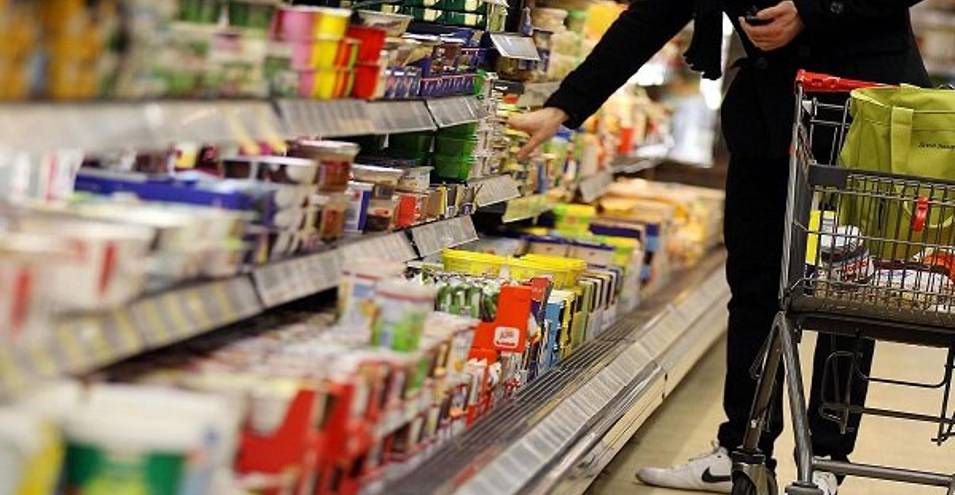
Following repeated increases in the prices of basic items in Iran this year, especially the soaring sales prices of food items such as rice or potatoes, criticism of Ebrahim Raisi's government has increased.
The Tehran-based newspaper "Information," one of the conservative media outlets of the Islamic Republic, issued a note today, Wednesday, February 10, criticizing macroeconomic policies and writing to executive managers, "Make government food pricing transparent."
The publication wrote: "The statements of Alireza Abbasi, a representative from Karaj and deputy chairman of the parliament's agriculture committee, have re-introduced previous ambiguities about the method of determining the price of imported basic goods, the amount of government profit from these goods, and ultimately the government's role in the rise in food prices."
The second vice chairman of the Islamic Consultative Assembly's Agriculture Commission told ISNA news agency yesterday that foreign rice is purchased and offered on the market for "half a dollar," but foreign rice is not available in the market for "30,000 tomans."
Alireza Abbasi also said: "The Ministry of Agricultural Jihad is primarily responsible for the irrational price increase of rice. The Ministry of Agricultural Jihad is incapable of managing the market and has failed to monitor prices."
The Etelaat newspaper continued its article by saying: "For years, the media has been calling for transparency in price equations, the stewards of these purchases of basic goods, and the identities, types of their selection, and methods of purchase. They believe that many of the factors behind the rise in the prices of basic goods in the market can be traced back to the government itself and this opaque method of purchasing and pricing."
The media outlet, which is run with public funds, concluded by emphasizing: "The big question is whether the government, as a major businessman, is responsible for a large part of the increase in food prices? Hopefully, the Ministry of Agricultural Jihad and the State Trading Company will answer this question transparently."
At the same time, media outlets supporting the government of Ebrahim Raisi, the 13th president of the Islamic Republic, consider these price increases to be normal and do not consider them to be an issue outside the norm of recent years or an astronomical price increase.
The Tehran-based Kayhan newspaper, published on February 5, wrote in a report titled "Inexpensive prices left over from the past and the plans of the 13th government," "Recently, the price of potatoes has increased to more than 15,000 tomans per kilo. Although this price is not high compared to the price of some food items, it has a greater impact, especially for low-income segments of society, since it has a large share in people's household baskets."
The publication, which is run by a representative of Ayatollah Ali Khamenei, the leader of the Islamic Republic, stated in another part of its report: "The continuous increase in prices is not limited to essential consumer items and basic goods, but rather reflects the generality of goods available in the market. On the other hand, it is not related to these few months, but is an issue that began years ago and has gained momentum in the last year or two."
Source: Voice of America