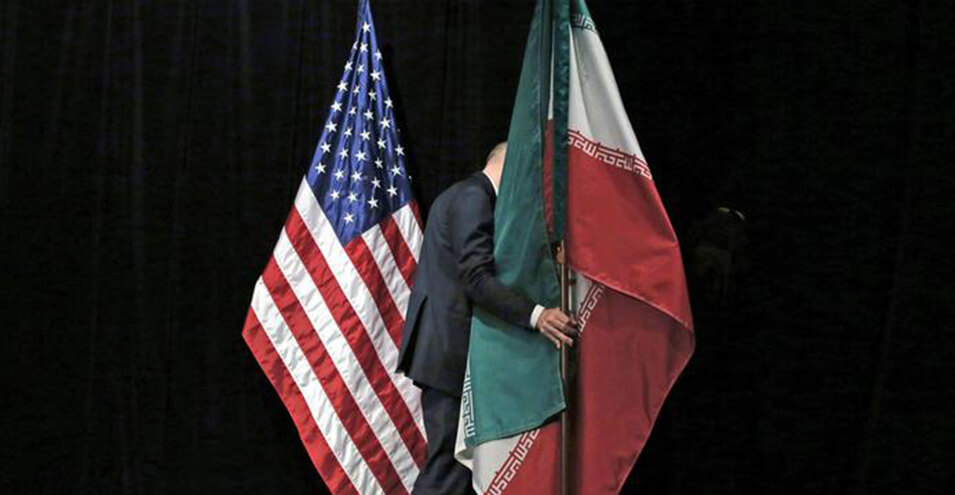
Iran denies Reuters report on “draft of new JCPOA agreement”
Reuters has published excerpts from a draft nuclear deal. The release of Western prisoners, limits on enrichment and cash payments are the main points of the draft. The lifting of sanctions is in the final stages. Iran says Reuters has “distorted” it.
Reuters news agency, citing diplomats, writes that steps are envisaged in several stages. The first stage is for Iran to stop enriching uranium above 5 percent. Then frozen Iranian assets will be released and Iran will release prisoners. The main stage of lifting sanctions on Iran, including oil sanctions, will be the last stage.
It is said that a time frame of one to three months has been considered from the time of agreement to full implementation.
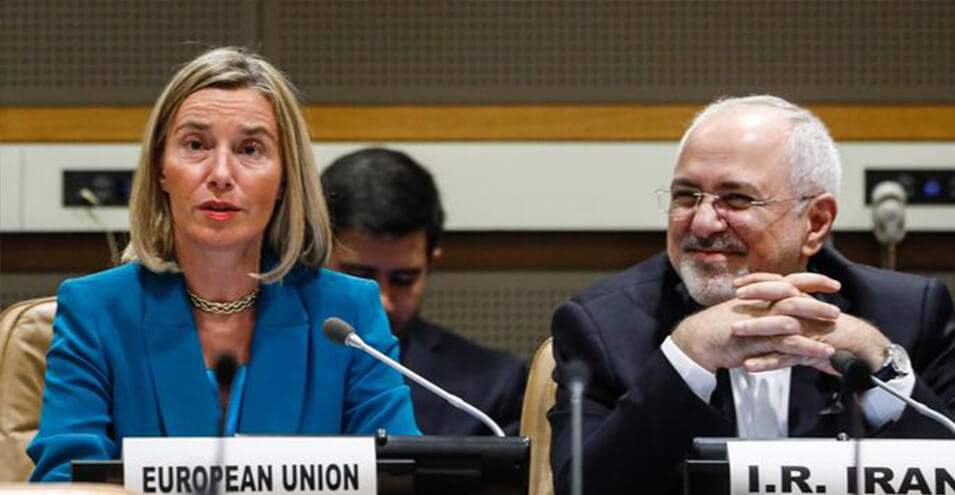
Negotiations are currently underway between representatives of Iran and world powers, Russia, China, Britain, France, Germany, and the European Union, on the details of a draft agreement aimed at returning Iran and the United States to the JCPOA.
This comes as Western countries warn of a time limit before the initial JCPOA agreement loses its validity.
Representatives participating in these negotiations say that most of the draft text has been drafted, but some sensitive issues still remain unresolved.
The main issue is a return to the JCPOA agreement, which included the lifting of sanctions against Iran, including those imposed on the sale of Iranian oil, in exchange for which Iran would limit the level of its nuclear activities, before time passes and Iran has enriched enough uranium to make a nuclear weapon.
Following the US withdrawal from the JCPOA in 2018, Iran expanded its nuclear activities, increasing its uranium enrichment level from the 3.67% in line with the JCPOA to 60%. Experts say Iran could soon have enough fissile enriched uranium to produce nuclear weapons.
This is while Iran constantly emphasizes that its nuclear activities and technology are for peaceful purposes. But Western countries and the International Atomic Energy Agency in Vienna say that no country would enrich uranium to this level unless it intended to produce nuclear weapons. Therefore, the expansion of uranium enrichment to this level since the US withdrawal from the JCPOA means that the entire provisions of the JCPOA have lost their validity.
The 20-page text of the current draft
Reuters writes that the more than 20-page text of the draft agreement foresees several stages that must be implemented after approval by the other countries participating in the negotiations.
Three diplomats familiar with the Vienna talks told Reuters that in the first phase, Iran would halt enrichment above 5 percent.
There is no word yet on what should be done with Iran's advanced centrifuges.
The next step is to release $7 billion in frozen Iranian assets held by South Korea, and in return, Iran will release Western prisoners.
Robert Malley, the senior US representative in the Vienna talks, had previously said that the precondition for any deal with Iran was the release of these prisoners.
The main stage of lifting sanctions on " Re-implementation Day "
Only when the initial phase of measures is completed and approved will the main phase of sanctions lifting begin, leading to what many diplomats call “reimplementation day,” a reference to the “implementation day” of the original agreement, when the final steps related to nuclear commitments and sanctions relief are taken.
Diplomats say the timeline for these steps has not yet been agreed upon, and the text includes an “X” for the number of days between the milestones and the re-implementation date. Various officials have put the time from agreement to re-implementation at between one and three months.
How to lift oil sanctions
As stated in the original JCPOA, the new agreement involves the US “granting waivers” to sanctions on Iran’s oil sector rather than “completely lifting” them, which would require the waivers to be renewed every few months.
A Middle Eastern diplomat familiar with the Vienna talks told Reuters that, under the deal, Obama and Trump issued 90- to 120-day waivers for oil exports and continually extended them, until Trump revoked all waivers after withdrawing from the deal.
Remaining issues in negotiations
The remaining thorny issues include Iran’s demand that the United States guarantee that it will not back down again. U.S. officials say such a guarantee cannot be given, given the difficulty of binding future administrations.
A Middle East diplomat and an Iranian official have said Tehran is ready to accept a lower level of enrichment, provided that Iran would be allowed to enrich again to 60 percent if the United States violates the deal.
Possibility of direct dialogue between Iran and the US
Some diplomats have said that lifting some sensitive sanctions could require direct meetings between Iranian and American officials.
Iran has so far refused to meet in person. Iranian and Middle Eastern officials said such a move would be made at the end of the talks.
Iran: Reuters report is “ distorted ”
The Foreign Ministry spokesman reacted to the publication of a Reuters report on points from a possible draft of the nuclear agreement from the Vienna talks, calling it "distorted."
According to ISNA, Saeed Khatibzadeh wrote on his Twitter page in this regard: "Spreading false information under the guise of media reporting is a dangerous thing. The final agreement to authorize the US to return to the JCPOA will be very different from the unsourced, distorted report that has been rumored. As the final days approach, we should expect more distortions."
The news site "Noornews", close to Iran's Supreme National Security Council, also called the Reuters report "unrealistic speculation" and wrote: "Iran has announced from the beginning that it will not take any action to reduce its nuclear activities, which are in line with the JCPOA commitments, until the US takes the necessary steps towards lifting sanctions."
This conservative site added about the release of Western prisoners in Iran: "Reuters reported the release of American and European prisoners imprisoned in Iran as part of the Vienna agreement, while this issue has basically nothing to do with the ongoing negotiations in Vienna."
Tasnim News Agency also writes, citing informed sources: "The Reuters article is purely in line with psychological operations and has no relation to the real reality of the negotiations."
The news agency, close to the Revolutionary Guards, added: "For example, the issue of releasing prisoners has nothing to do with the nuclear negotiations. And Iran will never suspend enrichment above 5 percent before the issue of sanctions, especially the oil embargo, and receiving Iranian money through official channels is clarified."
Source: DW