Reuters report on Iran's "secret methods" of selling fuel oil
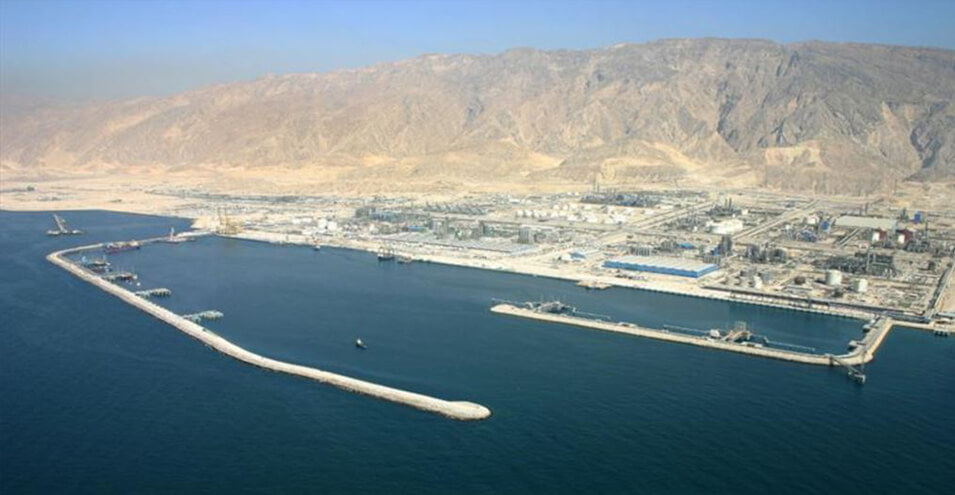
Reuters reported on Iran's "secret methods" for selling fuel oil by circumventing US sanctions.
Fuel oil accounts for a significant share of Iran's oil and petroleum product revenues.
According to statistics from the Ministry of Oil, Iran exported 18.7 billion liters of fuel oil last year. The value of this volume of fuel oil exports is over $8 billion.
With the US withdrawal from the JCPOA and the imposition of oil sanctions in November, Iran began having problems loading, insuring tankers, selling and receiving payment for fuel oil, just like with crude oil. There had been previous reports about Iran resorting to various ways to export crude oil, but Reuters, in a report published on Wednesday, February 10, wrote that Iran had secretly sent at least two tankers with large cargoes of fuel oil to Asia, “circumventing” US sanctions.
The report says that tanker documents indicate that the source of the fuel oil shipments was Iraq, but an assessment of Iraqi industrial and official sources, as well as an Emirati tanker services company, indicates that the fuel oil was originally from Iran.
These sources said they did not know who was behind the forgery of the documents.
Official oil cargo documents say that the 300,000-ton tanker Grace 1 loaded fuel oil from the Iraqi port of Basra between December 10 and 12. However, Reuters writes that the tanker was not in the port of Basra during those days, and its presence in the port was not recorded.
Reuters also asked four major international tanker tracking companies, all of which confirmed that the Grace 1 had turned off its signaling system from November 30 to December 14, and was therefore hidden from tracking radars during this period. But on November 14, the tanker was suddenly seen loading cargo at the port of Assaluyeh.
The tanker then headed to the UAE and unloaded its cargo onto two other tankers, one of which arrived in Singapore last month. The cargo that arrived in Singapore was 284,000 tons and worth about $120 million.
Iranian and Singaporean customs officials declined to respond to Reuters' questions.
The Grace 1 tanker belongs to the Singaporean shipping company IShips Management and sails under the Panamanian flag, meaning it is registered in Panama.
There have been previous reports of Iranian tankers using the Panamanian flag to circumvent sanctions, and Reuters reported on March 13 that under US pressure, Panama had deregistered at least 21 Iranian tankers that were sailing under its flag in international waters. It is said that Iran is now trying to replace Panama with flags of other countries, such as Vietnam.
The Singaporean company declined to provide details about the fuel oil shipment to Reuters.
The report says that Iran has again resorted to methods used in the previous round of sanctions (2012-2016) to counter US oil sanctions, such as turning off tanker signal systems and using the flags of other countries.
The Grace 1 tanker unloaded its cargo on January 16 and 22 to two smaller tankers in the UAE's Fujairah port. One of the tankers headed to the Singapore port of Crete. The other tanker, the Marshall Z, also headed the same route, but changed course in mid-February and unloaded its cargo on February 25 to a Libyan tanker in the same area, which also arrived back in Singapore.
Three Iraqi oil industry sources and the UAE-based company Yacht International, which provides tanker services, have confirmed that the source of the fuel oil in question was not Iraq and that the documents were "forged."
Peter Kiernan of the Economist Intelligence Unit says that there are customers who are still willing to do business with Iran despite US sanctions, and the Islamic Republic is finding ways to sell some of its oil and petroleum products to them.
Official documents indicate that the tanker in question approached Iranian ports to repair its generator and then headed to the UAE, but Reuters writes that this information appears to be a cover to hide the loading of fuel oil from Iranian ports.
The tanker's official documents also show that the Iraqi Tanker Company asked the ship to load more than 284,000 tons of Iraqi fuel oil, but Iraqi Tanker Company officials told Reuters that these documents are "fake" and the information is completely wrong.
The documents also state the loading time as December 10-12, but the time of its shipment from Basra Port is January 12, which is unusual.
Source: Radio Farda