Report of the 13th court session of Hamid Nouri; One of the plaintiffs in the case: The defendant beat me four times
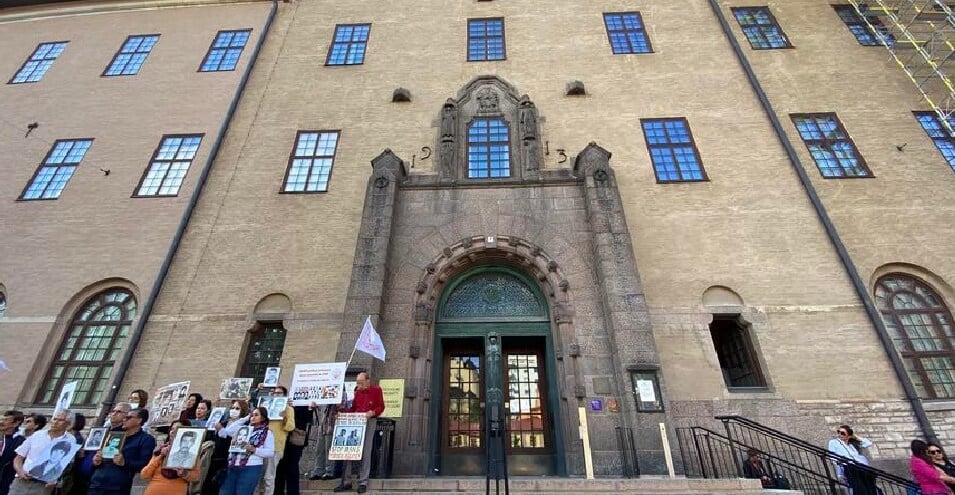
The 13th trial session of Hamid Nouri, accused of participating in the summer executions of 1988, was held on Wednesday, September 8, with the testimony of Siamak Naderi, a former prisoner and one of the plaintiffs and witnesses in the case.
Siamak Naderi was arrested on October 25, 1988, on charges of supporting the Mojahedin-e Khalq Organization, making 10 Tomans in financial donations, and selling several of that organization's publications. He was sentenced to seven years in prison without a defense attorney.
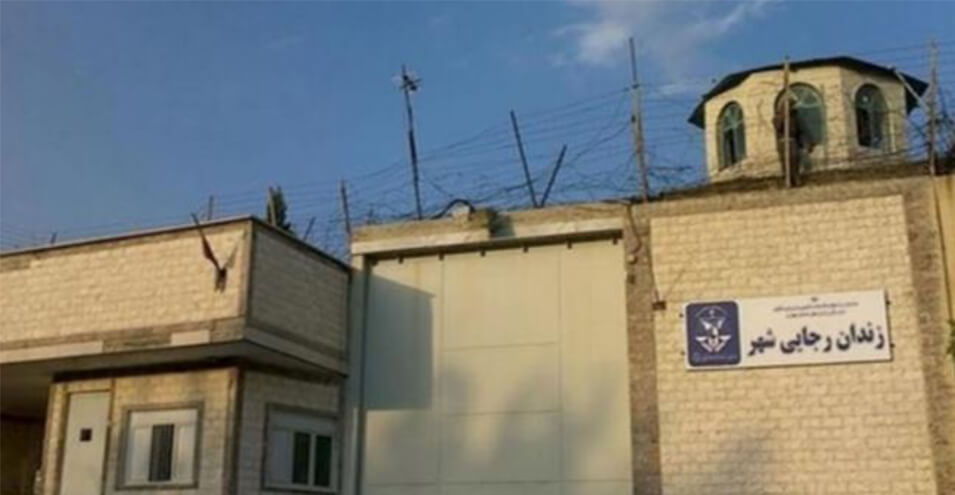
At Wednesday’s hearing, Mr. Naderi testified that the executions began in the prison’s “bakery,” but were moved to “Hosseinieh” due to space constraints. Compared to witnesses before him and using maps in Iraj Mesdaghi’s book, Siamak Naderi provided more detailed descriptions of Gohardasht Prison, its cells, Hosseinieh, and its buildings.
He said that he spent most of his sentence in quarantine and solitary confinement, and therefore did not see or know many people.
The witness named Naserian as the prison warden and Hamid Nouri as his assistant prosecutor and judicial arm. He explained that Hamid Nouri was responsible for calling, marking, and guiding prisoners from their cells to death row and to the death squad. Referring to Nouri, he said that Abbasi is the same person sitting in court today.
Siamak Naderi testified that he first met Hamid Nouri in the fall of 1987. He said that he was beaten by his companion, the IRGC. He also said that he witnessed Naserian and Hamid Nouri storming Sub-ward 8 on August 27, the day before the executions began, and that he saw the two violently search their belongings.
He said he was beaten four times in total by Hamid Nouri and taken to the “dark room.” Naderi said that solitary confinement prisoners were taken to the dark room as punishment, and were locked up without light, a toilet, or clothes, wearing only underwear.
Naderi testified about the events of August 28, when Hamid Nouri took his cellmate, Mostafa Babaei, with him, and Babaei never returned. He also testified that on the same day, a political prisoner named Zahra Khosravi informed them of her impending execution using Morse code signals.
The witness said that he was put in front of the death squad for between 3 and 5 minutes and was spared execution by writing a letter expressing his disgust towards the MEK and Iraq. Siamak Naderi also testified about the execution of prisoners whose names he said he had sent abroad along with the names of some survivors before leaving Iran.
The prosecutor asked Siamak Naderi to explain his observations to the court after returning from the death squad. Here the witness was moved for a few minutes and cried, then said that in a refrigerated container, “I saw navy blue and olive-colored tarpaulins. They were stacked in about three layers, which were the bodies of children. The Guard was walking on the bodies… After that, it was the month of Muharram, when we had no executions for ten days.”
In response to the defendant's defense attorney's question about where and when he first saw Nouri's photo, as well as the details of his conversations with Iraj Mesdaghi and Hamid Nouri's responsibility in prison, Naderi explained once again that in 2018, when he was still a member of the People's Mojahedin Organization, he sent all this information to human rights organizations and has always testified that Hamid Abbasi (Nouri) was the prison's assistant prosecutor.
The 14th session of Hamid Nouri's trial will be held on Thursday, September 9, and Siamak Naderi will return to court to continue testifying and answering questions from the defendant's defense lawyers. Mohsen Eshaghi will also be a witness in another 14th session of the trial.
Source: Voice of America