30% Decline in Pasta Consumption in Iran Following Flour Price Liberalization
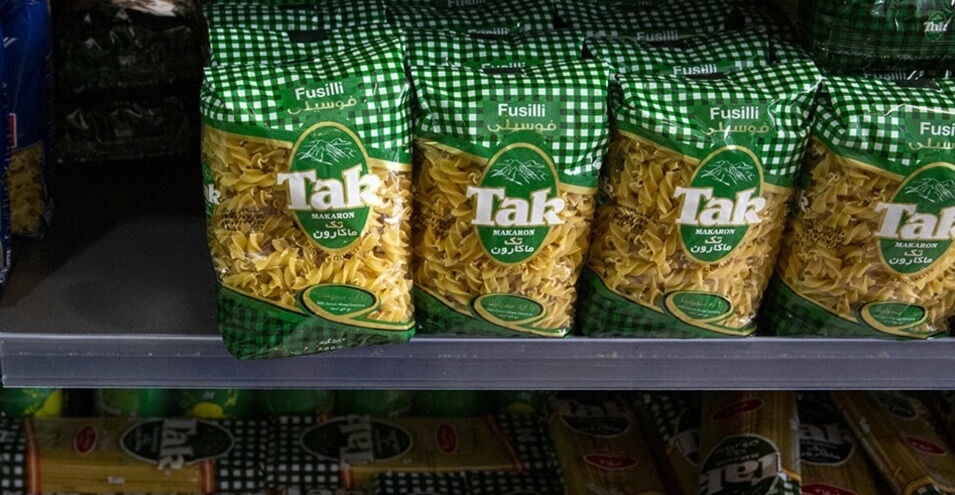
The advisor to the board of directors of the Pasta Manufacturers’ Employers Association says that following the surge in flour prices, pasta prices also increased, which resulted in domestic consumption of this product declining by one-third and loss of foreign markets.
Rasoul Mojdeh Shafagh said on Monday, July 4: The government increased the price of wheat for industries and factories by approximately 440 percent, and since wheat accounts for more than 70 percent of pasta prices, ultimately pasta prices rose from 12,200 tomans per kilogram to 34,000 tomans per kilogram, and producers also complied with the government’s economic reform despite their reluctance.
The Ibrahim Raisi administration removed subsidies for certain food items, including flour, in April of this year, and the price of wheat for industries and factories jumped from 2,700 tomans per kilogram to 12,000 tomans per kilogram.
This is while wheat prices in global markets have grown only 50 to 60 percent since Russia’s military invasion of Ukraine.
Iran’s industries and factories consume 1.5 to 2 million tons of flour annually, equivalent to approximately 15 percent of the country’s total flour consumption.
Mojdeh Shafagh says that currently the cost of Iranian pasta products is higher compared to foreign competitors, including Turkey; moreover, circumventing sanctions and bearing higher transportation costs during the sanctions period have caused us to lose many of our markets, including Africa.
Source: Radio Farda