90 Environmental Organizations Call for Fair Trial of Environmental Activists

Environmental organizations have sent a letter to Iran’s head of the judiciary demanding fair trial rights for environmental activists. In this letter, they criticized the lack of legal compliance regarding these activists.
Concurrently with the start of the second round of trial for eight environmental activists in Iran, 90 environmental organizations from across Iran have written a letter to Ibrahim Raisi, head of the judiciary, asking him to “ensure fair trial proceedings, a primary example of which is the right to have two lawyers for each defendant at the trial stage, for these detainees.”
IRNA news agency, by publishing sections of this letter, reported that the letter references instances of illegality against these activists. Among these cases is that “before the conclusion of preliminary investigations and confirmation of their guilt, reports and interviews revealing their identity and personal details were published in some media outlets.”
Another matter highlighted by these organizations was the imposition of discretionary punishment for all these activists, and this “before the Tehran prosecutor formally charged four of them under the penalties provision of Article 286 of the Islamic Penal Code.” According to this letter, at the opinion-issuing stage, “the authority issuing the opinion increased the punishment and converted it to capital punishment.”
Disagreement Between Ministry of Intelligence and Revolutionary Guards Intelligence
Environmental activists were arrested 18 months ago by Revolutionary Guards Intelligence on charges of “espionage,” “spreading corruption on earth,” and “anti-security activities.” This is while the Ministry of Intelligence of the Rouhani government formally rejected these charges. The 90 environmental organizations, drawing attention to this disagreement between the two security agencies, wrote:
“Given the existence of this clear contradiction in the expert opinions of the two intelligence agencies, which has created ambiguity and doubt about the substance of the matter, and considering that you recently alluded to the resulting ambiguity in your meeting with some environmental experts, this matter is subject to the jurisprudential principle (averting capital punishments through doubt) provided in Article 120 of the Islamic Penal Code, and as foreseen in sacred law and the legal code, in cases where doubt and ambiguity arise regarding the occurrence and commission of the original crime, the presumption is in favor of innocence.”
Eight environmental activists—Morad Tahbaz, Sam Rajabi, Amirhossein Khaleghi, Houman Jokar, Sepideh Kashani, Niloufar Bayani, Taher Ghadiri, and Abdolreza Koohpayeh—were arrested in the winter of 2017 and remain in prison. Kavous Seidamami was also arrested at the same time as this group but died mysteriously in prison two weeks after his arrest. Security officials claimed that Seidamami committed suicide in prison.
Some sources suggest that environmental activists’ opposition to “establishing Revolutionary Guards missile bases” in the country’s protected areas may be the main reason for charging them with “espionage.”
Over the past year and a half, many academics, civil activists, and environmental activists have, in open letters including those addressed to the head of the judiciary, declared the detainees innocent and called for their release.
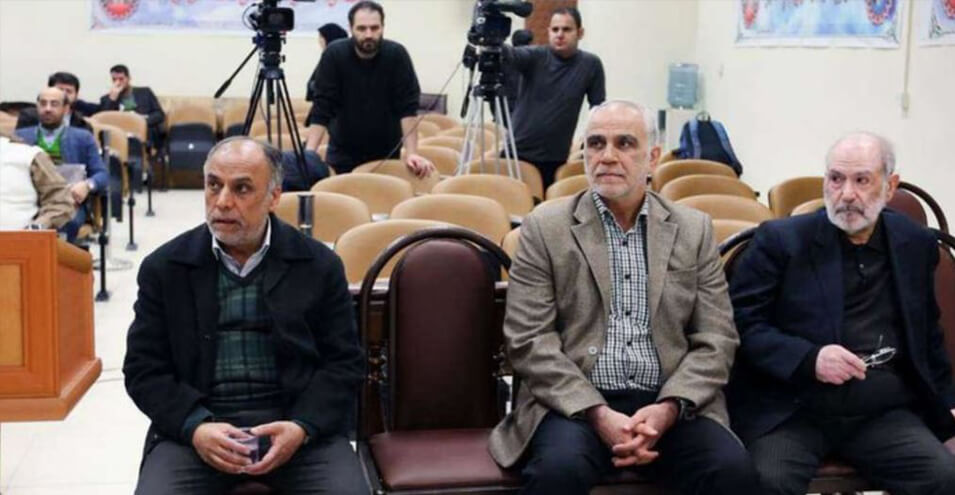
The first trial session of environmental activists began in mid-February 2019 in a closed hearing. The “Kalame” website reported that their presence in court was accompanied by a large number of Revolutionary Guards Intelligence officers, and they were not even allowed to speak to each other.
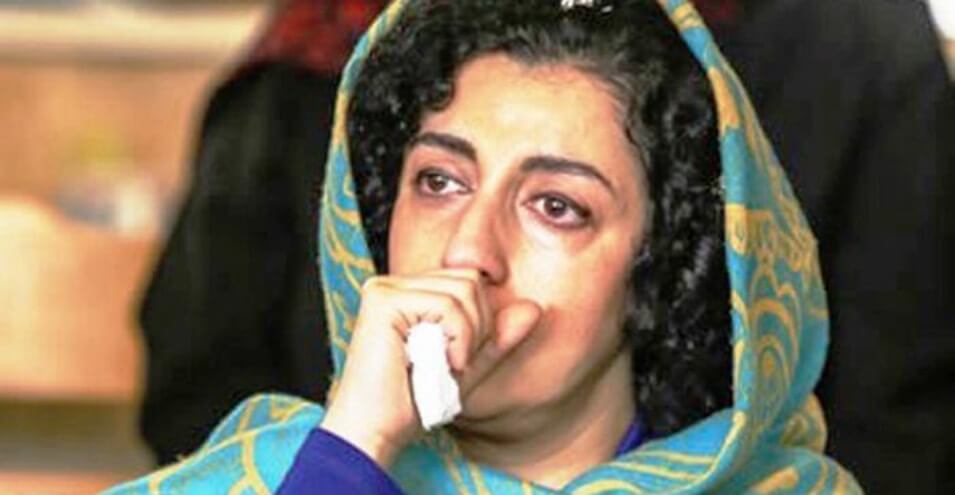
None of the defense lawyers for the environmental activists were appointed by the defendants or their families in court. Niloufar Bayani, a detained environmental activist, announced in the trial session that she had been beaten and threatened repeatedly by officers. She turned to others in court and shouted: “If they threatened to inject me with poison like they did me, you would have confessed too! People kept me in solitary confinement for these months, beat me extensively and extracted confession by force; now they’re taking me to Solati to execute me.”
Source: DW