The promise of missiles from the people's pockets; when the war economy is also spread to the citizens' tables
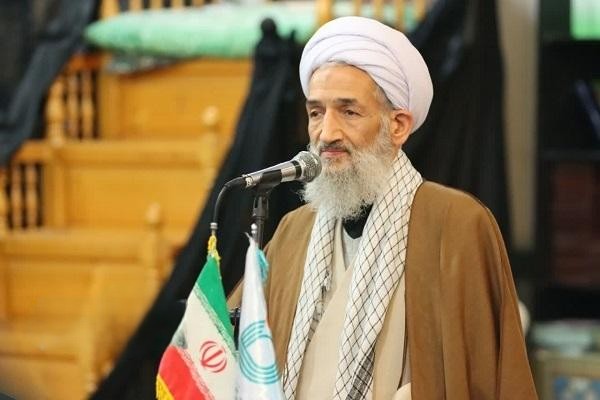
In a speech, the Friday prayer imam of Sari called on people to "vow their wealth as missiles" not for welfare, but to cover war costs.
Continuing the unprecedented literature that has been raised in recent years in some official platforms of the Islamic Republic about "popular participation in financing military expenses," "Mohammad Baqer Mohammadi Laini," the leader's representative in Mazandaran province and Friday prayer leader in Sari, made statements that have sparked a wave of reactions in the public and media.
In his sermons on Friday, April 18, he referred to the so-called "Sacrifice for the Government" project and said: "You are familiar with the Sacrifice for the Government campaign, but now we also need the Sacrifice for the Property campaign so that people can come and donate their property for missiles and other necessities that we need to conduct the war."
This literature, which clearly emphasizes the "vow of personal property for military needs," is being presented at a time when a significant portion of society is facing economic pressures, inflation, and declining purchasing power. Such plans effectively blur the line between voluntary popular participation and ideological pressure to finance government spending.
In previous years, there have been examples of similar campaigns and initiatives with titles such as “People’s Aid for the Resistance Front,” “Cultural Pledge,” or fundraising for specific government projects; a trend that some analysts see as indicating the spread of a kind of “war economy” within the official structure. In this framework, part of the financial burden of regional and military policies is directed towards public participation instead of transparent government budgets.
However, domestic and foreign critics have repeatedly warned that such approaches could put additional pressure on the middle and poor classes of society, especially in a situation where livelihood crises, unemployment, and devaluation of the national currency have affected people's daily lives.
From the perspective of political analysts, the repetition of phrases such as "vowing wealth for missiles" is not only considered a religious or cultural recommendation, but also a reflection of structural prioritization in macro policies; priorities in which military and security spending have taken on a more prominent place than public welfare and economic development.
Ultimately, the presentation of such statements from official platforms has once again revived the old debate about the relationship between religion, politics, and the economy in Iran's governance structure; a debate that continues without a clear answer, amidst the economic and social pressures of society.