All 4,300 Fuel Stations Disrupted in Cyber Attack
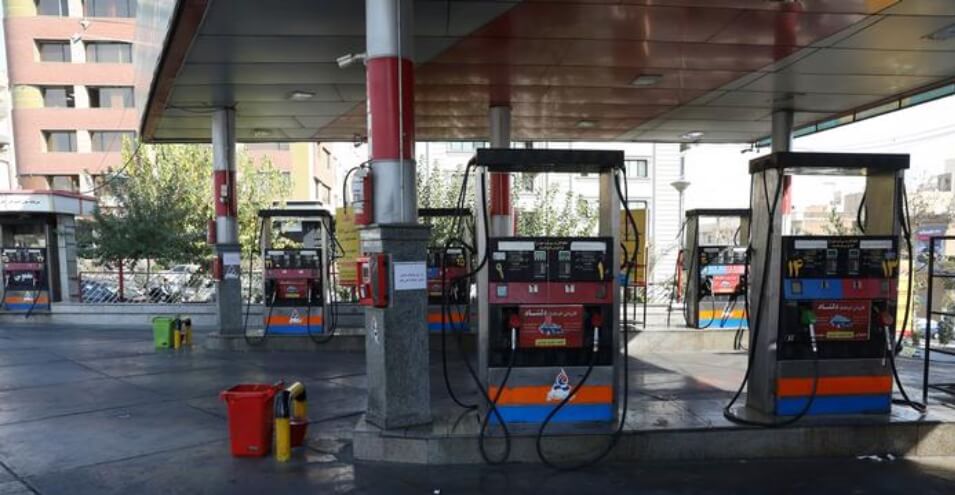
The secretary of Iran’s Supreme Council of Cyberspace says all fuel stations were targeted in a cyber attack. The origin of these attacks has not been formally announced. Officials are concerned about a repeat of November 2009 protests and emphasize that gasoline prices will not increase.
Abolhasan Firouzabadi, secretary of Iran’s Supreme Council of Cyberspace, announced Tuesday night, November 4, in a special interview program on the second channel of IRIB that disruptions in the systems of 4,300 fuel stations across the country resulted from a widespread cyber attack.
According to him, cyberspace experts are investigating these attacks and a final opinion will be announced within 7 to 10 days.
Firouzabadi did not make specific statements about the origin of these cyber attacks but suggested that this attack, like the cyber attack on the Islamic Republic’s railway systems, may have been carried out from outside the country.
On social media, a hacker group called “Sparrow Hawk” has claimed responsibility for the attack.
The secretary of Iran’s Supreme Council of Cyberspace emphasized that cyber attacks on all gas stations have created many problems and not all fuel stations have yet returned to normal conditions.
“27 Million Fuel Cards Not Cleared”
Masoud Rezaei, manager of the smart system of Iran’s National Oil Products Distribution Company, announced that 27 million active fuel cards are in the hands of the public and the gasoline balance on fuel cards in the hands of the public has not been cleared and there are no problems in this regard.
The oil company official said that in many provinces 60 percent of fuel stations have been restored.
Government Concerns About Repeat of November 2009 Protests
In the cyber attack on the smart fuel system, IRIB interrupted its programs to broadcast breaking news on air and covered the issue as the top story in various news sections.
Officials repeatedly explained to the people that gasoline prices would not increase.
The occurrence of this incident in November also revived memories of protests from two years ago against gasoline price increases.
Reuters news agency, five weeks after these protests, reported in an exclusive report, citing Iranian officials, that approximately 1,500 people were killed in protests in Iran.
The news agency at that time reported, citing three sources close to Iran’s supreme leader, that the severe suppression of protests was carried out on Khamenei’s orders.
Concerns About Gatherings at Fuel Stations
The “EconomyNews” website wrote in this regard: “The occurrence of this incident revived an old concern among the people once again: will gasoline become expensive? A question that ultimately led the Interior Minister to enter the arena to respond quickly.”
Interior Minister Ahmad Vahidi immediately announced to alleviate public concerns: “There is no plan for gasoline price increases and people should have no concerns.”
On the other hand, there are also concerns about gatherings at gas stations and the “outbreak of spontaneous protests.” Some officials asked people not to visit fuel stations.
The spokesman for the National Oil Products Distribution Company also said: “There is no plan to increase gasoline prices and our request is that until the technical problem is resolved at some fuel supply stations in the country, people should not visit gas stations.”
Source: DW