Amid Severe Economic Crisis for People; Senior Revolutionary Guards Official Asks Military Families to Have at Least 5 Children
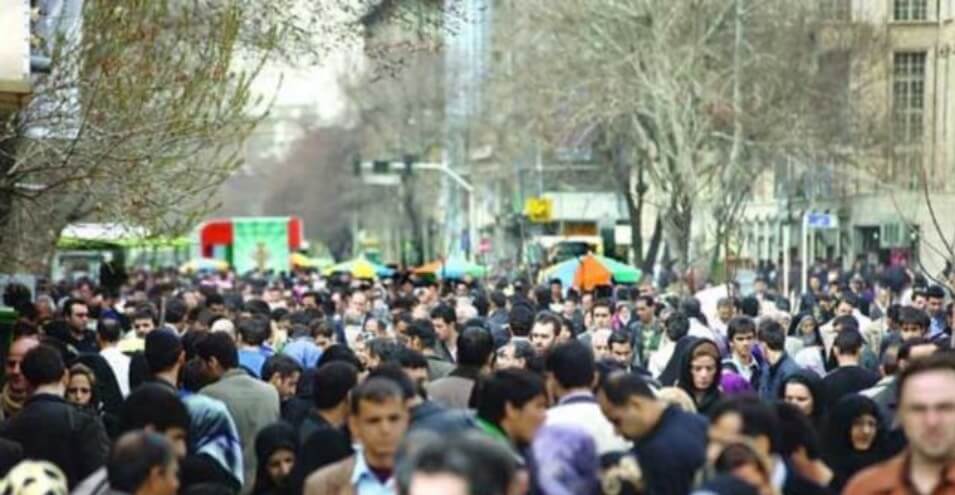
At a time when Iran faces countless problems, including severe economic, social, and environmental crises, and the government has demonstrated its practical inability to meet the most basic livelihood needs of the current population of the country, and by making controversial decisions such as rationing gasoline and tripling the price of free gasoline has put Iranian families under severe pressure, various institutions of the system continue to pursue population growth policies.
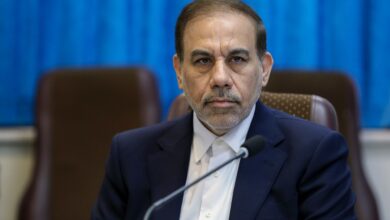
Ali Fadavi, Deputy Commander of the Islamic Revolutionary Guards Corps, on Sunday, December 25, criticizing the existence of only two children per family and stating that he himself has 5 children, called increased “childbearing” in Iran “an obligation” and said that the minimum number of children for Basij and Guards families should be 5 children.
The issue of childbearing is related to general family policies that Khamenei announced in 2016, and one of these policies was support for “healthy fertility growth and increased childbearing” with the aim of increasing the Muslim population.
This is while Iran’s population is currently 83 million people, and according to official statistics announced by the Deputy Head of the Relief Committee, 16 million people are said to be living below the poverty line.
Based on these statistics, currently only about 4 million people are covered by the Relief Committee, and based on estimates, if all people below the poverty line are covered in terms of food provisions, a budget deficit of eleven thousand billion tomans would occur.
In recent years, the Iranian government suspended a highly effective family planning program through which people had access to free counseling, methods of preventing pregnancy, and even vasectomy.
Earlier, Amnesty International, criticizing Iran’s population growth policies, announced that the government’s plans to stop providing family planning services in Iran not only set back women’s rights by decades, but also constitute “violations of human rights.”
The existence of mismanagement and widespread corruption in various organs and components of Iran’s ruling structure has repeatedly been the target of severe criticism by U.S. government officials and lawmakers. The United States has repeatedly condemned institutionalized corruption and mismanagement, especially excessive spending and exclusive privileges for individuals close to power circles, violations of citizens’ rights, suppression of people’s legitimate demands, plundering of Iran’s natural resources, and ambitious regional and global warmongering by the leaders of the regime ruling Iran, considering them as among the main causes of social, livelihood, welfare, economic, and financial problems of the Iranian people.
Source: Voice of America