Amnesty International: 2018 a Year of Shame for Iran in History
Amnesty International, in publishing a report, has accused the Iranian government of launching a “shameless” campaign of suppressing protests and arresting thousands of demonstrators in 2018, following a wave of nationwide protests against poverty, corruption, and tyranny in Iran.
Amnesty International, in publishing a report, stated that Iranian government officials in 2018, following a wave of nationwide protests against poverty, corruption, and tyranny in Iran, launched a “shameless” campaign of suppressing protests and arresting thousands of demonstrators.
Amnesty International on January 24, 2019 (4 Bahman 1397) published this report presenting “a new picture of the extent of repression by Iranian authorities.”
The organization’s report references the arrest of more than 7,000 demonstrators in 2018, including students, journalists, media and environmental activists, workers, human rights defenders, lawyers, women’s rights advocates, minority rights activists, and labor and trade union members.
Amnesty International in its new report stated: “Meanwhile, hundreds of Iranian citizens received flogging sentences and were sentenced to imprisonment. At least 26 demonstrators were killed. In connection with the suspicious deaths of a number of protesters, 9 people were also arrested.”
Amnesty International has called 2018 “a year of shame for Iran in history.”
Philip Luther, Director of Research and Support for Middle East and North Africa at Amnesty International, stated that Iranian authorities continued throughout this year their actions against freedom of expression, preventing peaceful gatherings, and mass arrests of demonstrators.
The organization’s report states that “the alarming scale of arrests, imprisonments, and flogging sentences indicates that Iranian authorities are fully prepared to suppress peaceful opposition.”
Amnesty International also noted that Iranian authorities throughout 2018, and particularly in January, July, and August, responded “with violence to peaceful demonstrations” by protesters and resorted to using tear gas and water cannons while beating unarmed demonstrators. Thousands were also “arbitrarily” arrested and detained during these peaceful demonstrations.
The report further references “the arrest and detention of students, human rights defenders and activists, journalists” as well as some demonstrators during January protests and states: “On the other hand, managers of Telegram channels who published news about protests, gatherings, and demonstrators became targets of Iranian authorities.”
The report adds that in 2018, 11 lawyers were also arrested for carrying out their professional duties, 50 media activists, and 91 students for participating in gatherings.
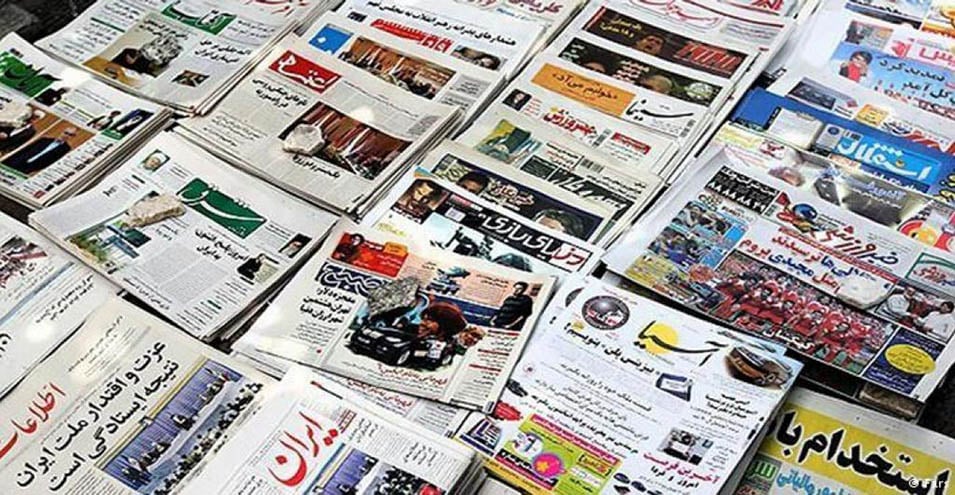
According to the report, in 2018 at least 20 media activists during unfair trials were sentenced to severe convictions and long-term imprisonments.
MohammadHossein Sodagar, an Azerbaijani journalist, in the city of Khoy in West Azerbaijan was sentenced to 74 lashes on charges of publishing falsehoods. One media activist, Mostafa Abdi, director of the Majzoban Noor website, was sentenced to 26 years and three months in prison and 148 lashes.
He published reports on the website about human rights violations against Gonabadi Dervishes.
Meanwhile, at least 112 women human rights defenders were arrested by Iranian authorities in 2018.
Women’s Rights Advocates
Amnesty International in another section of its report references the unprecedented protest movement of Iranian women against mandatory hijab laws and discriminatory rules and states that in 2018, brave women’s rights advocates across the country joined this protest movement.
The report refers to the protest of girls and women known as “Girls of Revolution Street” who stood in streets and on some public spaces, silently waving their headscarves at the end of poles and ultimately “after violent assault by officials, were arrested, tortured, and mistreated. Some of these protesters were also sentenced to imprisonment after unfair trials.”
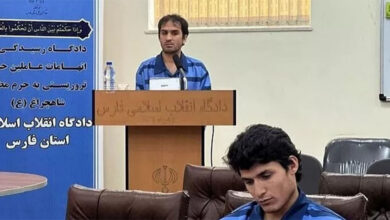
Shaparak Shajarrizadeh, one of the “Girls of Revolution Street,” was sentenced to 20 years imprisonment by court order.
Nasrin Sotoudeh, a human rights lawyer and women’s rights advocate who represented Shaparak Shajarrizadeh, was also arrested on June 13, 2018 on charges of defending protesters against mandatory hijab.
Workers’ Rights and Labor Unions
Amnesty International’s report also references labor crises in Iran in 2018 that resulted from severe economic crises and led to extensive strikes. These unfavorable conditions drove thousands of protesting workers to the streets. Their demands from the government were support and improved working conditions.
Delayed wages, payment below inflation rates, increased cost of living, and economic hardship became the grounds for nationwide demonstrations by these workers.
In response to these demands, Iranian authorities arrested at least 467 workers, including teachers, truck drivers, and factory workers. Some of these demonstrators were summoned for interrogation and detention, and many were tortured and mistreated.
Dozens of these demonstrators were also sentenced to imprisonment. Iranian courts also responded against 38 labor activists and sentenced them in total to 3,000 lashes.
Ethnic and Religious Minorities
Further in the report, the intensification of racial discrimination and deprivation of ethnic and religious minorities in Iran is addressed and emphasized, noting that Iranian authorities by arresting and imprisoning hundreds of citizens of ethnic and religious minorities have deprived them of education, employment, and other services.
The arrest of at least 171 Christian converts and the continuation of persecution of Baha’is in Iran are among other topics covered in Amnesty International’s new report.
The arrest and detention of environmental activists in Iran is another topic mentioned and addressed in Amnesty International’s report, which states that in 2018, at least 63 environmental activists and researchers were arrested in Iran.
Source: DW