Amnesty International Calls for Immediate Release of Nasrin Sotoudeh

Amnesty International, in a statement referring to the dangers that the spread of coronavirus has created in prisons, has called the unconditional release of prisoners of conscience an urgent necessity. Nasrin Sotoudeh is among those whose release the statement demands.
Sauro Scarpelli, director of Amnesty International’s campaign section, referring to the current danger posed by the coronavirus outbreak to the health and lives of prisoners, stated that “now, more than ever, it is important that governments immediately take action to protect all those living behind prison bars, and in particular, release all individuals who have been imprisoned solely for the peaceful exercise of their rights.”
He emphasized that prisoners of conscience, despite not having committed any crime, are being arbitrarily held in custody under increasingly dangerous conditions.
Scarpelli’s reference points to the spatial limitations of prisons, the lack of sanitary facilities, and overcrowding that prevents prisoners from being able to observe preventive measures against this disease, such as maintaining distance from one another and regularly washing their hands.
The director of Amnesty International’s campaign section specifically referred to the “unlawful detention of prisoners of conscience” and demanded their swift release.
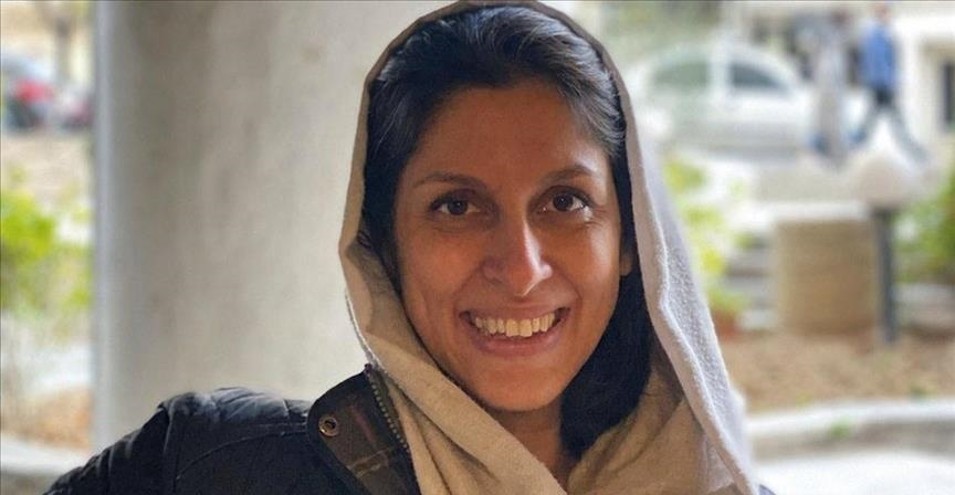
Among prisoners of conscience and political prisoners, Nasrin Sotoudeh, an Iranian human rights lawyer, is among those for whom Amnesty International has specifically called for immediate release.
Nasrin Sotoudeh has been sentenced to 33 years in prison and 148 lashes. According to Islamic Penal Law, 12 years of this sentence are enforceable.
Nasrin Sotoudeh has been sentenced to 33 years in prison and 148 lashes on charges of “assembly and conspiracy against national security, propaganda activities against the system, active membership in illegal and anti-security organizations including the Center for Defenders of Human Rights, Legam (Campaign Against the Death Penalty), and the National Peace Council, inciting people to corruption and obscenity, appearing without proper Islamic hijab at the interrogation branch office, disturbing public order and peace, and spreading falsehoods with intent to disturb public opinion.”
Reza Khandan, Nasrin Sotoudeh’s husband, a month earlier, in a short post on his Facebook, referring to the danger of coronavirus in prisons, wrote: “The lives of prisoners are seriously at risk due to the spread of coronavirus disease and the high probability of the virus entering prisons.”
He emphasized that the judiciary is responsible for any incident in this regard, “especially since political prisoners are innocent and there is no justification for keeping them in prison; all of them should be released.”
Amnesty International, in its statement, recalled that it campaigns for the release of approximately 150 prisoners of conscience. The exact number of these individuals changes depending on their release or death in prison.
Beyond releasing prisoners of conscience, Amnesty International urges governments to take action to combat the spread of the coronavirus pandemic, including by reducing prison populations. Additionally, officials and authorities must review the cases of awaiting-trial prisoners and juvenile detainees, and consider early, temporary, or conditional release of prisoners at greatest risk, including the elderly and those with medical conditions.
On the same day as the release of Amnesty International’s statement, Narges Mohammadi also, in a letter on the occasion of the anniversary of her imprisonment, described the situation of imprisoned women and her own conditions. The Vice President and Spokesperson of the Center for Defenders of Human Rights, in this letter, among other things, wrote: “… among my sisters, those for whom I have fought to realize their rights, and alongside people whose poverty and hunger drove me to protest, I spend my imprisonment.”
Narges Mohammadi has been imprisoned since June 5, 2015, to serve her 16-year sentence. Six years of this sentence were issued for propaganda against the system, and another 10 years for her activity in the campaign “Step by Step to Abolish Capital Punishment.”
Source: DW