Amnesty International: Islamic Republic Will Not Stop the Machine of Death
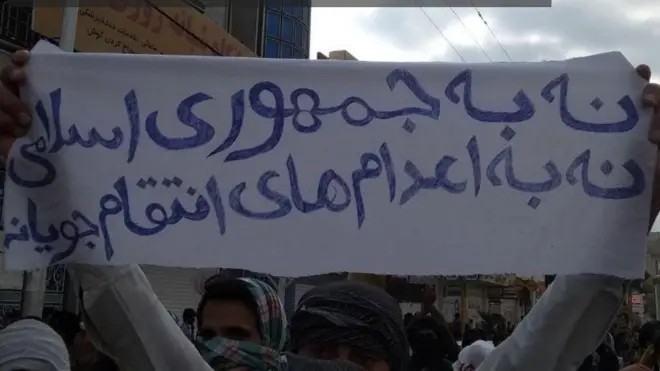
Amnesty International has warned about the continuation of executions in the shadow of war. The Islamic Republic does not stop the machine of death even amid crisis and bombardment.
Amnesty International, in its latest statement, has warned of a new wave of executions of political prisoners in Iran and announced that the danger of imminent execution of sentences for several other prisoners has significantly increased. This warning is being issued at a time when reports indicate an intensification of internal repression coinciding with external crises.
According to the statement, at least four political prisoners have been executed in recent days, and concerns have simultaneously grown about the fate of seven other prisoners awaiting execution. The human rights organization has called on the Islamic Republic’s officials to immediately stop all programs related to the implementation of execution sentences.
In an important section of the statement, it states: “It is unacceptable that even as people suffer from ongoing bombings by Israel and the United States, conflicts, and collective mourning, the authorities of the Islamic Republic of Iran continue to use capital punishment to suppress dissenting voices and create further terror among the people.” This explicit stance reflects the deep concern of international institutions about the instrumental use of capital punishment in Iran.
Simultaneously, reports published by Hrana indicate that several political prisoners, including “Mohammad Amin Bigdeli,” “Shahin Vahdipour Kalur,” “Abolfazl Salehi Siavashani,” “Amirhossein Hatami,” and “Ali Fahim,” have been transferred to solitary cells in Qazlhesar Prison; a measure that is typically considered a sign of imminent execution.
Alongside these individuals, concerns about the situation of two other prisoners named “Vahid Bani-Amirian” and “Abolfazal Montazer” have also significantly increased. Human rights observers warn that this process could lead to a new wave of political executions in the country.
What has been most criticized is the coincidence of these executions with the country’s crisis conditions. While parts of Iran are dealing with the consequences of war and military attacks, reports show that the government not only has not reduced repression but, by increasing the implementation of execution sentences, is establishing a climate of fear and terror within the country.
Human rights experts believe that the use of capital punishment, especially against political prisoners, is a clear violation of Iran’s international obligations and can be considered an example of systematic suppression of opposition. According to these observers, such actions, at a time when global attention is focused on military conflicts, can be interpreted as an effort to advance domestic policies in the shadow of reduced international oversight.
Overall, recent reports present a concerning picture of the human rights situation in Iran; where, according to international bodies, capital punishment is not only used as a judicial tool but as a lever for social control and silencing dissenting voices.