An Expert: Islamic Republic’s Opposition to Banning Child Marriage is a Symptom of the Patriarchal System Governing Iran
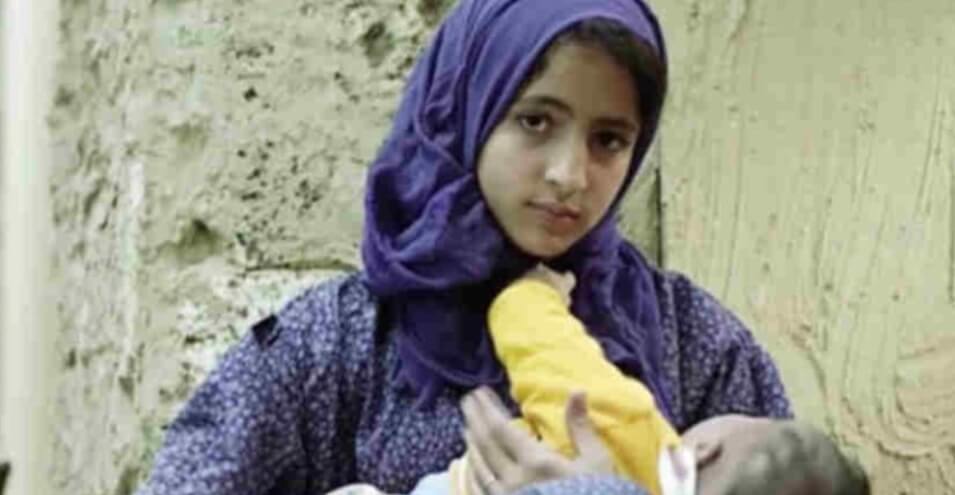
A children’s rights activist believes that the patriarchal system ruling Iran is one of the reasons for the Islamic Republic’s opposition to abolishing child marriage, and the discrepancy in statistics between underage boy and girl marriages should be understood through this lens.
Hamed Farmand, a children’s rights activist from Virginia, USA, told Voice of America that the reason for the Islamic Republic authorities’ opposition to banning child marriage is the “patriarchal system” governing Iran. Farmand says that a masculine perspective dominates these laws, and it is this patriarchal system that tries to prevent losing its power through opposition.
Data from Iran’s Statistics Center shows that in the past five years, more than 131,000 girls under 15 years old have married in Iran, with only more than 7,500 of these cases occurring in the summer of last year.
Hamed Farmand, referring to Iran’s Statistics Center data on the increasing number of underage marriages in recent years, cited cultural and economic issues as factors affecting this phenomenon.
This children’s rights activist says that child marriage in Iran had a declining trend from 2013 to 2019, which showed the effectiveness of efforts to prevent child marriages. However, he believes that this was not genuinely effective, and the trend of child marriage increased again in 2020.
Despite efforts by several civil activists in recent years to ban child marriage in Iran, no law to confirm this ban has been passed to date. In 2018, a bill regarding the ban on child marriage was also opposed by the Judiciary Commission of Parliament.
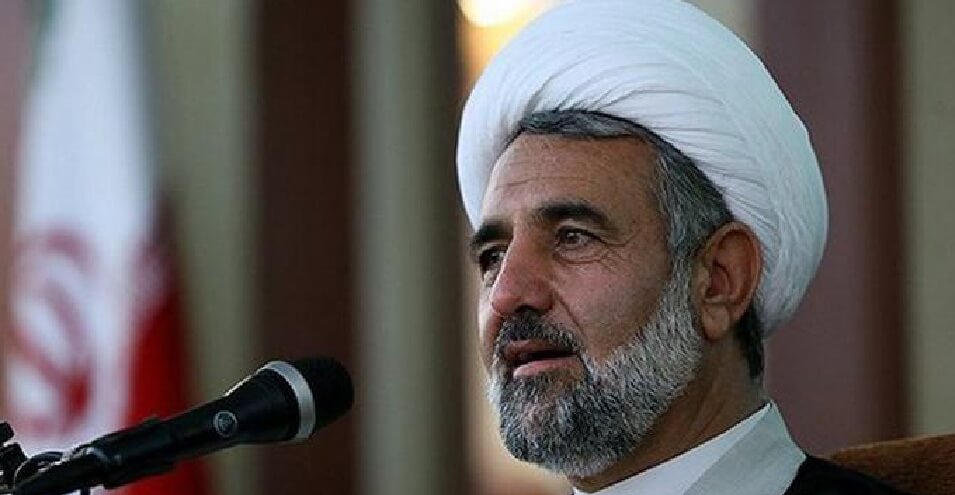
Hasan Norouzi, Vice Chairman of the Legal and Judiciary Commission of Iran’s Islamic Consultative Assembly, had said last December that child marriage applies to marriages of 9 or 10-year-old children, and a 13-year-old girl is no longer considered a child bride.
Mr. Farmand identified cultural and economic issues as the main factors of child marriage in Iran, and further noted that governmental education and indirect education disseminated through home shows on Iran’s informal networks, contribute to the ineffectiveness of warnings and efforts against child marriage. He pointed out that what is taught in a governmental and structured manner to promote marriage with emphasis on child marriages in Iran renders the efforts and warnings against child marriage completely ineffective.
According to this children’s rights activist, the Islamic Republic of Iran’s opposition to banning child marriages is one of the tools of this patriarchal system, which according to him has been endangered with the increase in women’s awareness and women’s entry into social spheres.
Based on a report that the Commerce News website published on Tuesday, the 30th of March, from Iran’s Statistics Center data, since 2017, the average number of marriages of girls under 15 annually has been around 30,000, whereas only 123 boys under 15 have been counted in these statistics over the past five years.
Source: Voice of America