Articles 23 and 26 of the Constitution: Freedom of Thought and Civil Activity in Law, but Widespread Violation in Practice
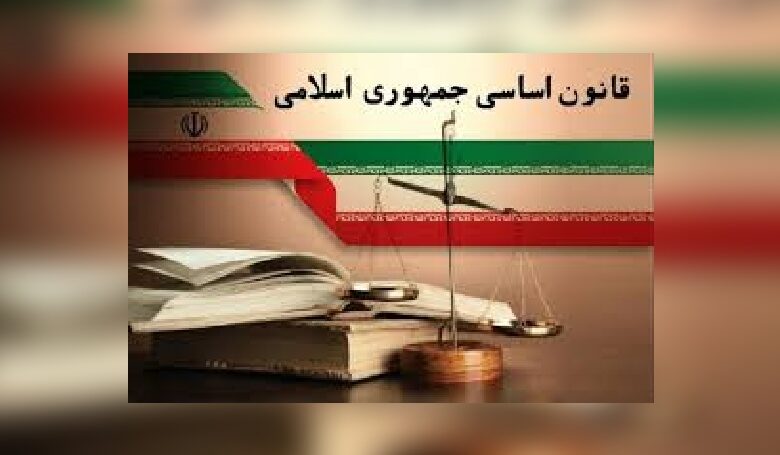
Despite the fact that according to Article 23, thought inspection is prohibited and based on Article 26, political and civil activities are free, in practice minorities and peaceful activists are arrested, prosecuted, or even killed under the pretext of “national security.”
A video has been published on Instagram social network related to the period of “Shahid Seyyed Mohammad Beheshti” in which Articles 23 and 26 of Iran’s constitution and voting on these articles are discussed. According to these articles, thought inspection is prohibited and political and civil activities in Iran are free; however, it appears these articles have been “lost” or disregarded in Iran’s constitution.
Users of this social media platform showed extensive reactions to the claims made in this video and once again revived the discussion about the rights of thought, expression, and peaceful assembly in Iran.
The reality is that Articles 23 and 26 of Iran’s Islamic Republic Constitution explicitly state that freedom of thought and political and civil activities are among the fundamental rights of citizens; however, in practice, these rights are systematically violated in Iran.
According to Article 23 of Iran’s constitution, thought inspection is prohibited and no one can be harassed or punished merely for holding an opinion. This article was mentioned as Article 26 in the initial draft of the constitution and was later transferred to Article 23 due to the renumbering of articles, but its legal nature remained unchanged. In other words, the constitution explicitly states that no individual should be persecuted because of their opinions, beliefs, or thoughts.
Article 26 of the constitution also guarantees the freedom of parties, associations, and professional and political activities, stating that these organizations are “free,” provided they do not violate legal standards and fundamental principles of the system.
From a legal perspective, these articles should be applied equally to all citizens, and no one should be arrested or punished merely for expressing an opinion, religious belief, or peaceful civil activity. This issue is even reflected in international human rights documents; for example, Article 19 of the International Covenant on Civil and Political Rights states that no one can be harassed because of their opinions and every person has the right to freedom of expression and thought.
However, in practice, the situation is very different. Multiple human rights reports and international media show that Iranian authorities use vague and general terms such as “action against national security,” “propaganda against the system,” “disturbing public opinion,” or “gathering and conspiracy” to deal with opponents or activists, even when the basis of these charges is expression of opinion and peaceful activity. This practice is clearly in contradiction with Articles 23 and 26 of the constitution.
Human rights organizations have also repeatedly protested the sanctions, arrests, torture, and even executions of minorities and protest activists. For example, Human Rights Watch reports indicate that the Iranian government has targeted ethnic and religious minorities, including Christians, Baha’is, Kurds, Baluchis, and other religious minorities, arresting them or suppressing them by force, and in some cases, harassment, torture, and violent treatment against them have been reported.
International and global reports also show that the suppression of peaceful protests and the imposition of security charges against protesters and activists in Iran continues, while the same constitutional articles should guarantee freedom of thought and expression, not restrict them.
For the Christian community and minority religious groups, this challenge is much more apparent: although the fundamental principle of prohibiting thought inspection and freedom of religious activity is mentioned in the text of the law, in practice many Christians, especially those who worship independently or in informal congregations, have faced pressure, arrest, and discrimination. This situation has caused rights that are legally guaranteed to remain only “in the text of the law,” and in the field of practice, their actual implementation diverges significantly from reality.
While Articles 23 and 26 of Iran’s constitution explicitly guarantee freedom of thought and political and civil activities, serious concerns have been raised about the violation of these articles in practice. Media outlets, human rights groups, and civil activists have repeatedly demonstrated that many minorities, activists, and peaceful protesters are persecuted for expressing their opinions, beliefs, or legal activities. This shows that the gap between law and implementation is still very large and requires attention and international pressure to respect human rights.