Ash Wednesday, the Beginning of a Spiritual Journey from Repentance to the Hope of Resurrection
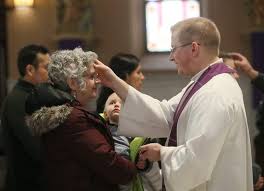
Ash Wednesday is one of the most important days in the liturgical calendar of traditional Christian churches, marking the beginning of the “Lent” season or fasting period. This day occurs 46 days before Easter (the Feast of the Resurrection) and invites believers into a period of reflection, repentance, prayer, and spiritual preparation; a period spent in remembrance of the sufferings, death, and ultimately the resurrection of Jesus Christ.
In many Catholic, Anglican, Lutheran, and other Christian denominational churches, the ceremonies of this day are accompanied by a visible sign: the marking of a cross with ash on the foreheads of believers. This symbolic gesture carries a profound message; a reminder of human mortality and a serious call to return to God.
Although the tradition of fasting and expressing repentance in the church has very ancient roots, the formal establishment of the Lenten season dates back to the earliest centuries of Christianity. In the fourth century AD, following the formation of a more cohesive church structure, a forty-day period was designated for preparation before Easter. This number recalls the forty days Jesus fasted in the wilderness and also the forty years the Israelites wandered in the desert; a number that in Scripture repeatedly symbolizes trial, purification, and spiritual preparation.
In subsequent centuries, with more precise regulation of the church calendar, a Wednesday was designated as the official beginning of this period, which became known as “Ash Wednesday.” Since then, this day has been recognized as the threshold of entering Lent. Although the Lenten period comprises 40 days of fasting, with the inclusion of six Sundays (which in church tradition are considered feast days of the Resurrection and when fasting is broken), there are a total of 46 days until Easter.
The ash used in this ceremony usually comes from burning the palm branches from last year’s “Palm Sunday” celebration. This ash is often mixed with a little olive oil or water to prepare it for marking on the forehead. The connection between last year’s celebratory palms and this year’s ash carries a profound message in itself: “The glory and people’s welcome of Christ, without understanding the cross, quickly fades, and humanity is always in need of repentance and return.”
When the cross is marked on the forehead, the words are usually spoken: “Remember that you are dust and to dust you shall return” (Genesis 3:19) or “Repent and believe in the Gospel.” These words remind us of a fundamental truth: earthly life is fleeting and without God, humanity has no lasting hope.
In Scripture, ash has been a sign of mourning, humility, and confession of sin. Job sat in ash amid his suffering, and Daniel came into God’s presence through prayer and repentance, with fasting and ash. Therefore, the use of ash on this day continues a biblical tradition that emphasizes the humility of the heart, not merely outward religious display.
Ash Wednesday is not merely a symbolic ceremony, but rather an invitation to begin a journey. The Lenten journey for many Christians is a time for:
- Conscious fasting and self-discipline
- Increased time for prayer and Scripture study
- Forgiving others and reconciliation
- Helping those in need and acts of compassion
- Reassessing life priorities
In different church traditions, fasting practices vary. Some abstain from eating meat on certain days, some eliminate one meal, and others give up a particular habit or pastime to direct their attention more toward God. The primary goal is not to deprive the body, but to awaken the spirit and redirect life’s focus toward God’s will.
In recent years, Ash Wednesday has moved beyond the traditional church setting into city streets; priests marking ash on people at train stations or civic centers are a symbol of the church’s presence in the heart of society. Many churches also use this day as an opportunity for public invitation to reflect on the meaning of life, death, and hope.
In a world shadowed by speed, consumerism, and commotion, the message of Ash Wednesday is more challenging than ever: “Pause, contemplate your finitude, and return to God.”
Ash Wednesday begins by reminding us of human weakness and sin, but its destination is not despair. This day is a gateway to hope. Lent begins with repentance, but it concludes with the proclamation of the victory of life over death on the morning of Resurrection.
The ash on the forehead is not a sign of defeat; it is a sign of honesty. An admission that humanity is powerless without divine grace, but in Christ, forgiveness and new life are found. This day invites believers to bring the burden of sin and sorrow to God’s presence and in return to receive the joy of salvation and the hope of resurrection.
Ash Wednesday reminds us of the truth that the path of faith begins with humility, passes through repentance, and arrives at the glory of Resurrection. This is the beginning of a journey that repeats each year, yet each time can be deeper, more sincere, and more transformative than before.