Behind the Scenes of Post-Geneva Tensions and Global Warning to Citizens About Imminent Attack Threat
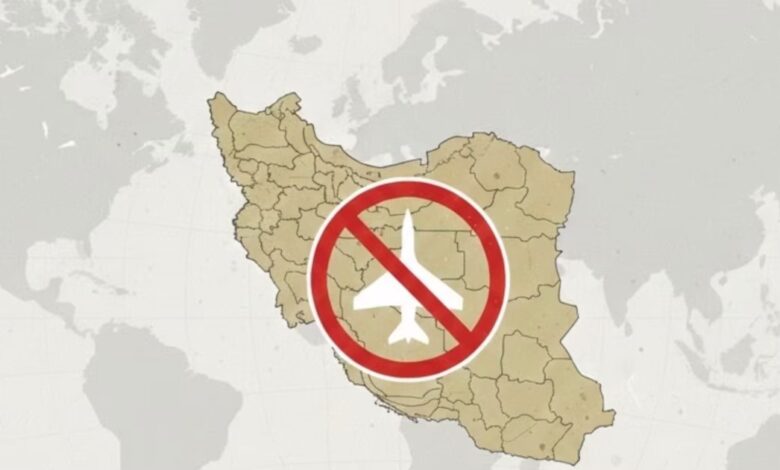
Following the latest round of Iran-US negotiations in Geneva, several countries, citing the possibility of an imminent threat of attack against Iran, have instructed their citizens to leave Iran and Israel.
After the conclusion of the third round of nuclear talks between Iran and the United States in Geneva, which were mediated by Oman, political and security developments have accelerated at the international level. Talks continued under circumstances where both sides emphasized important points of disagreement, including missile programs and uranium enrichment, and have yet to reach a definitive solution.
While increasing military forces in the region and threatening military action in the event of disagreement, the United States has adopted a dual approach: simultaneously continuing negotiations, it has increased warnings about the possibility of military conflict.
In light of these circumstances, several countries have warned their citizens about potential security threats in Iran and the region and in some cases have asked them to leave:
- The governments of Germany, India, Sweden, Poland, Serbia, South Korea, Cyprus, Britain, and Australia have asked their citizens to leave Iran or cancel travel to the country due to unstable security conditions.
- The United States, in addition to issuing similar recommendations for Iran, has also authorized the departure of non-essential embassy staff in Israel, reflecting Washington’s concern about escalating tensions in the Middle East.
- Some governments have also evacuated the families of their diplomats and staff from the region, even in countries not directly involved in the negotiations.
These warnings are being issued while airlines have also reduced or suspended their flights to Iran through the summer.
According to analysts, although nuclear negotiations have continued, the widespread presence of US military forces and the deployment of advanced weapons in the Middle East have sent a clear message about possible war plans.
Some analyses suggest that countries are concerned about the possibility of negotiations failing and diplomatic tensions turning into direct conflict, which is why by issuing evacuation recommendations, they are trying to protect their citizens from potential adverse consequences.
In Iran, official reports have repeatedly emphasized that talks are focused solely on the nuclear issue and lifting sanctions, and Tehran is defending the “right to peaceful use of nuclear energy.” However, beyond this, the domestic and international media landscape emphasizes missile threats and possible military reactions.
Although the third round of Iran-US negotiations has concluded and both sides have yet to reach a definitive solution, international warnings and recommendations about evacuating nationals from Iran and Israel reflect widespread global concern about the possibility of escalating tensions. The combination of official warnings, family evacuations, and reduced flights has created an atmosphere of uncertainty for Iranians, diplomats, and foreign tourists, even as negotiators continue to seek a diplomatic solution.