Coin Surpasses 15 Million Mark; Dollar Reaches 30,000 Tomans
The Iranian News Agency (ISNA) reported from Iran’s gold market that on Thursday, the 10th of Mehr, the price of a full Bahar Azadi coin surpassed the 15 million and 200,000 toman mark.
This figure represents a 900,000 toman increase compared to Wednesday, the 9th of Mehr.
Data from specialized gold price websites also shows that prices of various coins in Iran’s free market increased by 2 to 5.4 percent on Thursday.
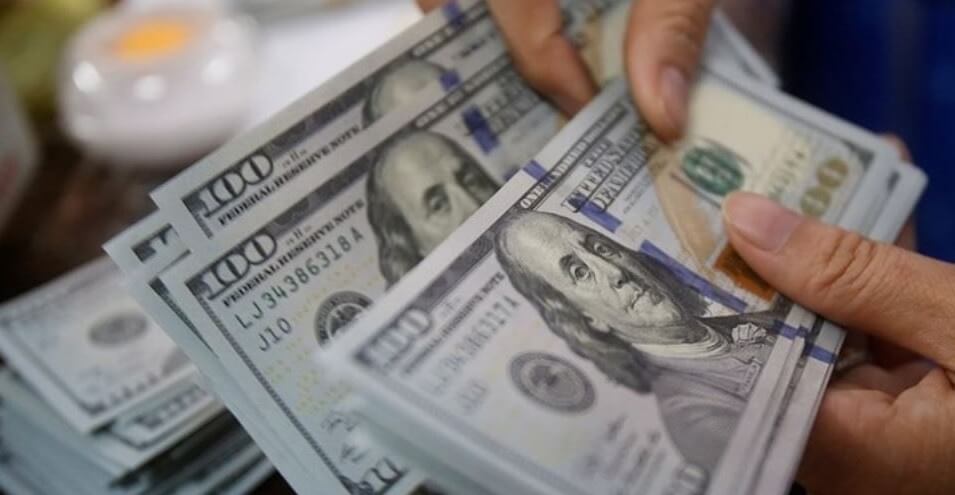
Meanwhile, the US dollar’s price in Iran’s free market again followed an upward trend, breaking the 30,000 toman record on the current day.
The euro’s selling rate has also peaked at 35,215 tomans.
At the beginning of the current Persian year, the dollar’s price was 16,000 tomans, and in the month of Mehr last year it was around 12,000 tomans.
Iranian officials, particularly the Central Bank governor, have repeatedly spoken in recent months about “bubbles in the foreign exchange market” and “unrealistic prices,” attempting to discourage people from buying foreign currency.
Since the beginning of the current Persian year, the dollar’s price has been constantly rising and in late Mordad reached above 25,000 tomans. However, at that time the Central Bank, by injecting nearly one billion dollars into the market, brought the dollar’s price down to around 21,000 tomans. Nevertheless, after two weeks, the dollar resumed its upward trajectory and on Thursday reached the historic record of 30,000 tomans.
It does not appear that the Iranian government can prevent the dollar’s rise by injecting substantial amounts of foreign currency into the market every week.
Abdolnasser Hemmati, governor of the Central Bank of Iran, stated that over the past 15 years, 18 billion dollars has been injected into the market annually.
Of course, during this period, Iran’s trade balance has always been positive and the Islamic Republic had excess dollars to inject into the market.
Customs statistics show that in the first five months of the current Persian year, the country’s total non-oil exports fell below 11 billion dollars, representing a 40 percent decline compared to the same period last year, and the country’s trade balance was negative.
The International Monetary Fund has also predicted that Iran’s total oil, non-oil, and services exports in the current year will be 46 billion dollars and the country’s imports will be 64.6 billion dollars. Accordingly, for the first time the country’s trade balance will be more than 18 billion dollars in deficit for Iran, and the government faces challenges in injecting foreign currency into the market to artificially maintain the rial’s value.
The International Monetary Fund predicted that the Islamic Republic’s foreign exchange reserves will decrease by approximately 19 billion dollars in the current year and reach 85 billion dollars, dropping to 69 billion dollars in the next year.
Of course, the majority of these reserves are outside the country and relate to Iran’s oil revenues, which are frozen in foreign banks, including South Korea.
The dollar’s price at the beginning of the Islamic Revolution was 7 tomans; in other words, over the past 41 years the dollar’s rate has increased 4,285 times relative to the rial.
The surge in foreign exchange rates in Iran comes as Bloomberg News Agency reported on Tuesday of this week, citing informed sources, that America wants to impose sanctions on Iran’s entire financial system and cut off its relations with the outside world.
Source: Radio Farda