Coronavirus in Iran; Situation in Tehran is “Concerning”
Alireza Zali has reported an increase in COVID-19 cases in Tehran and described the capital’s situation as “concerning”. Jahanpour, despite reporting 80 recoveries per day in Tehran yesterday, considers this phase to be fragile.
Alireza Zali, commander of coronavirus management and response in Tehran, has reported an increase in coronavirus cases over the past three days in the capital and described the situation in this metropolis as “concerning”.
According to ISNA, in a meeting of the Tehran coronavirus management operations command council, Zali called the capital one of the most important COVID-19 hotspots in Iran and stated that the situation in Tehran province is “incomparable” to other cities.
Rising number of COVID-19 cases in Tehran
At the coronavirus management command meeting held on Wednesday, April 9, Dr. Zali generally described the statistics of COVID-19 patients in Tehran as exponential and added that over the past three days, the overall number of patients related to the coronavirus has shown an increase, including all those receiving outpatient treatment or hospitalized in medical centers.
Age of coronavirus victims in Tehran
The commander of coronavirus management and response in Tehran stated that the average age of coronavirus victims in Tehran is 69 years and two months, saying this figure is higher than the national average.
According to Dr. Zali, patients hospitalized in Tehran hospitals due to COVID-19 are between 40 to 50 years old. Zali concluded that the lower age of hospitalized patients indicates that elderly individuals have quarantined themselves following recommendations and have left their homes less frequently.
Zali had expressed concern at a public session of Tehran City Council on Tuesday that Tehran would face a greater number of cases in the coming week, adding that the heavy traffic of citizens over the past three days across the city would have its consequences.
According to Zali, “The effects of this presence will become evident five to nine days from now, its casualties will be known within two weeks, and we cannot say that the crowding two days ago in the capital had no effect.”
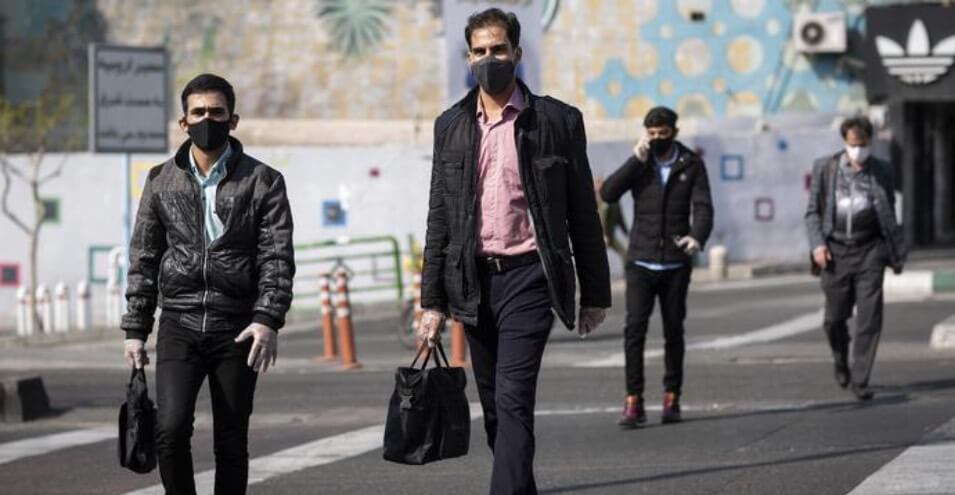
Since the 16th of Farvardin, images of citizens’ traffic on public streets, subways, and in vehicles in Tehran have been seen on social networks, which according to users show low-income and vulnerable people who do not have a stable source of income and mostly earn their livelihood through daily wages or street vending.
Experts have attributed non-compliance with social distancing plans by these groups to the lack of government support for vulnerable populations. Concerns about livelihood and meeting household expenses have led some to prioritize earning income over ensuring personal health and public hygiene.
Unique characteristics of Tehran
Alireza Zali further pointed to the non-uniform distribution of population density in Tehran and said that population density in central and southern Tehran areas is high, and many cities in the country do not have such populations.
He also considered unequal access to healthcare facilities for residents of Tehran’s satellite cities as one of Tehran’s problems and emphasized the need for a comprehensive and strategic plan.
Drug addicts as one of the factors in coronavirus spread
Zali further described “visible drug addicts” who had previously been released from care centers to prevent coronavirus transmission as one of the factors in disease spread, and called for their return to rehabilitation centers or relevant organizations.
According to Zali, these addicts do not follow health and preventive protocols in combating coronavirus.
80 recovered from coronavirus in Tehran
Kianush Jahanpour, spokesman for the Iranian Ministry of Health, at a press conference on Wednesday referred to 80 cases of COVID-19 recovery in Tehran and said this figure was more than one and a half times the number of suspected individuals who were hospitalized in medical centers yesterday.
Jahanpour, however, emphasized that this phase is “fragile” and warned against the failure to strictly observe health warnings and recommendations by citizens.
Source: DW