Demand by Dozens of International Judges and Prosecutors: Investigate Raisi’s Role in 1988 Massacre
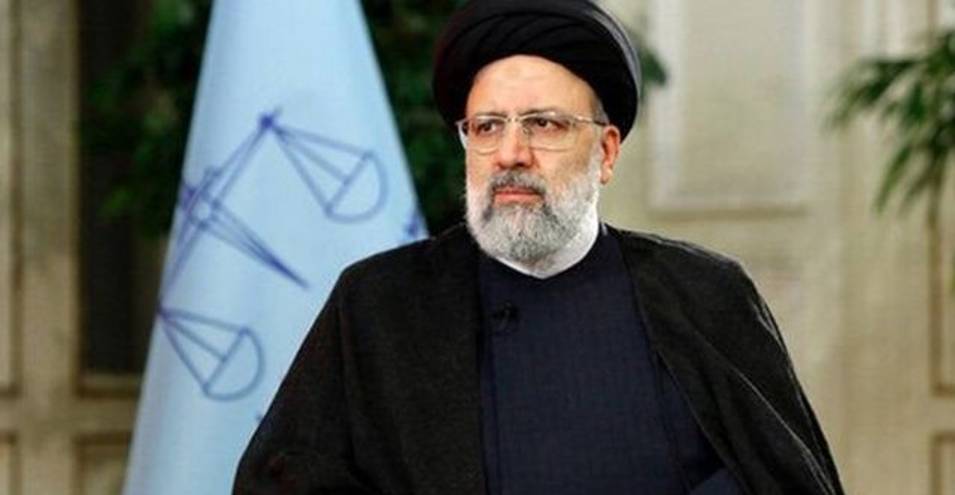
Prominent former judges and prosecutors from the United Nations asked Michelle Bachelet, the UN High Commissioner for Human Rights, to investigate the massacre of political prisoners in Iran in the summer of 1988 and, in particular, the role of Ibrahim Raisi, the current president, at that time.
The open letter from these prominent figures to Ms. Bachelet, published Thursday, January 27, was signed by nearly 460 people, including Sang-Hyun Song, former president of the International Criminal Court, and Stephen Rapp, former US ambassador to the court.
The letter states that those responsible for this massacre “remain immune. They include Ibrahim Raisi, the current president of Iran, and Gholam-Hossein Mohseni Eje’ei, the head of the judiciary.”
The letter, drafted by the human rights organization “Justice for Victims of the 1988 Massacre in Iran,” was also sent to the UN Human Rights Council.
Ibrahim Raisi, who began his duties as president in the summer of 2021, was one of four individuals who oversaw cases of political prisoners executed in the summer of 1988.
When asked about his role in the massacre of political prisoners in the 1980s, he said he takes “pride” in his role in this matter.
The main figures of this four-member committee, known as the “Death Committee,” are Hossein-Ali Nairi, the religious judge at the time, Mortaza Eshraqi, the prosecutor at the time, Ibrahim Raisi, deputy prosecutor at the time, and Mostafa Pourmohammadi, representative of the Ministry of Intelligence at Evin Prison at the time.
Their names have been repeatedly mentioned by complainants and witnesses during the trial of Hamid Noori, who is accused of participating, as a former clerk of Gohardasht Prison in Karaj, in mass executions of political prisoners. His trial has been held in Europe in recent months.
Thousands of political prisoners in the 1980s, especially in the summer of 1988, were executed in Evin and Gohardasht prisons in Tehran and prisons in Mashhad, Shiraz, Ahvaz, and some other cities in Iran by direct order of Ayatollah Khomeini, the leader of the Islamic Republic at the time, and by the decision of committees that became known as Death Committees.
Many of those executed were supporters of the Mujahedin-e Khalq Organization, and some were supporters of other left-wing groups who had been imprisoned in the early years of the 1980s. There is no precise count of these executions, but according to a report by Amnesty International, at least 4,482 men and women disappeared within a two-month period.
Previously, Struan Stevenson, former Scottish representative in the European Parliament, and some families of prisoners executed by the Iranian government, had formally requested the police of that country to arrest Ibrahim Raisi on charges of “genocide and crimes against humanity” if he participated in the Glasgow climate change conference.
Source: Radio Farda