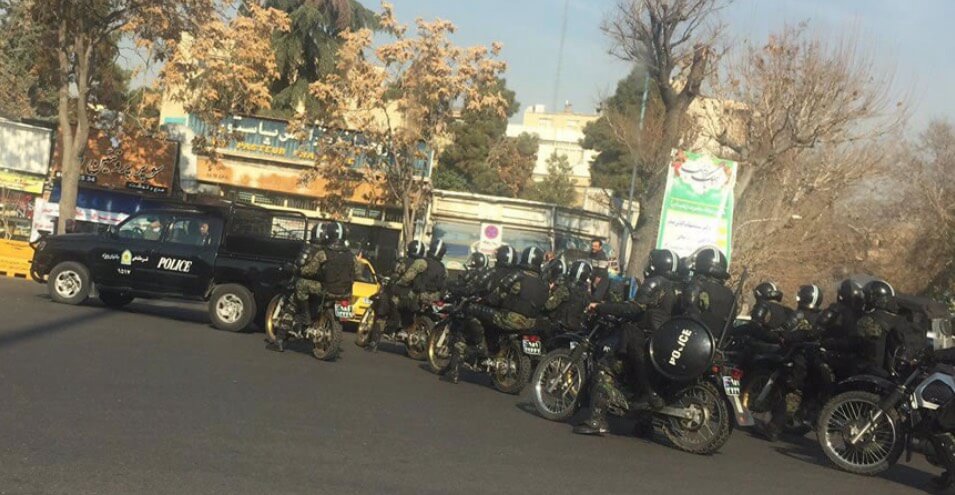
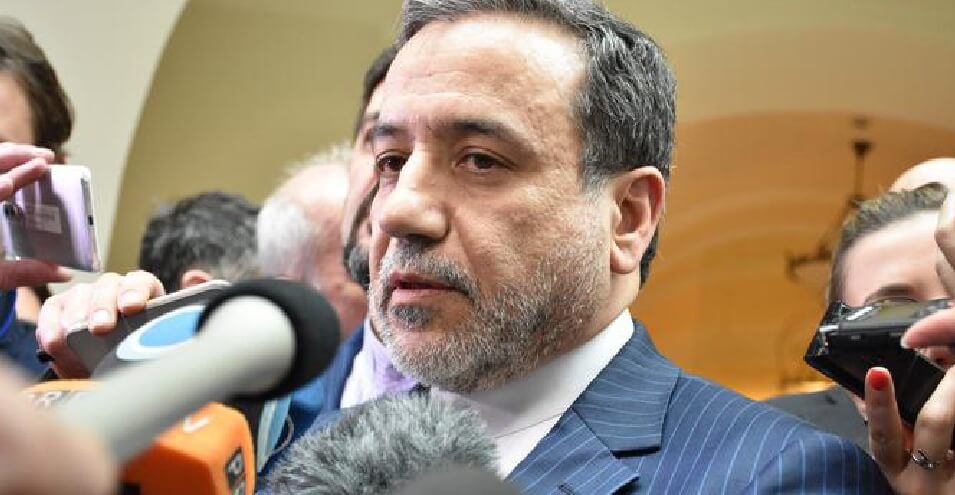
Direct US and Israeli Confrontation with Iran and Collapse of Leadership Network Leads to Global Market Turbulence
Recent developments indicate that during US and Israeli attacks on Iran, ranging from the killing of potential leaders to escalating oil prices and border closures, regional tensions have transformed into a widespread regional war with profound geopolitical and economic consequences.
The tension between Iran and Israel, which has persisted at various levels in recent years, has entered an unprecedented phase with direct US involvement. According to recent reports, in recent operations defined as a response to regional threats, the US and Israel have conducted extensive air strikes against Iran’s military and leadership structures, resulting in the death of Ali Khamenei and a number of senior officials.
This operation, referred to by the Pentagon as “Operation Epic Wrath,” targeted over 1,000 objectives in Iran, with initial casualties also reported among US forces.
US President Donald Trump announced: “Individuals who had been identified as potential options for Iran’s future leadership were also killed in the initial strike.”
According to international sources, Ali Khamenei was also killed in one of these strikes, an action that could fundamentally transform the Islamic Republic’s power structure.
Analysts emphasize that this US and Israeli approach, beyond targeting Iran’s military capabilities, was aimed at collapsing the country’s decision-making chain and political leadership.
Reports indicate that the US and Israel initially intended to carry out the strike about a week earlier, but postponed the operation due to intelligence and operational reasons.
This delay changed diplomatic and intelligence opportunities and demonstrates the complexity of decision-making between military and diplomatic options in the White House.
In response to strikes by Israel and the US, Iran conducted a widespread wave of missile and drone attacks against Persian Gulf countries including Qatar, Kuwait, the UAE, and Bahrain. However, official dissemination of these claims has not yet been independently confirmed by international media, though regional media outlets have covered them.
These developments have led neighboring countries to close their borders with Iran; according to reports, Turkey has closed all three of its border crossings with Iran.
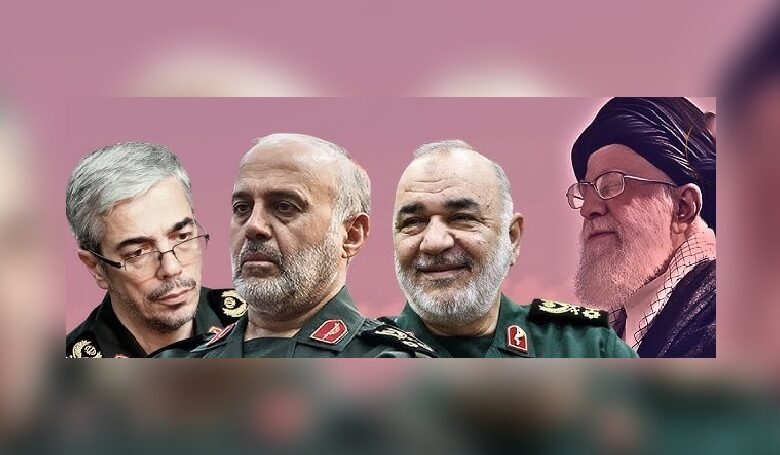
Representatives in the Iranian parliament have stated that in the current situation, neither the Commander-in-Chief of the Armed Forces, nor the Chief of Staff, nor the Commander of the Revolutionary Guards Corps, nor the Defense Minister are at the helm of power, an indication of a structural void in military and political command. This situation could lead to the formation of temporary structures and decision-making challenges.
Meanwhile, some representatives have stated that Iran, despite lacking formal structures, has continued defensive operations in several regional countries, which could indicate the government’s efforts to maintain authoritarian credibility.
One of the most prominent effects of this conflict is the significant increase in oil prices in global markets. An increase of approximately 8 percent in oil prices, the largest rise in more than eight months, indicates that the energy market is facing disruptions in the Persian Gulf and the Strait of Hormuz and the risk of blockading vital oil supply routes.
Economic analysts have warned that continued tensions could result in long-term energy price increases, inflation growth, and intensified pressure on oil-importing economies.
While Trump has emphasized in various statements the continuation of operations and even the possibility of negotiations, Iranian officials (including the National Security Council Secretary) have emphasized that Iran will not negotiate with the US. Previous indirect negotiations also ended without clear results.
This contradiction between military and diplomatic approaches is one of the most important obstacles in resolving the crisis and could make complex scenarios such as ceasefire through mediation, regional negotiations, or further escalation likely.
The current crisis has rapidly transcended a regional conflict and transformed into a widespread war with global and economic consequences. The killing of senior Iranian leaders, border closures, a wave of missile attacks on neighboring countries, and rising oil prices demonstrate the geopolitical complexity and its far-reaching risks.
The outlook for this crisis remains unclear; however, what is evident is that current tensions may take months or years to de-escalate and carry the risk of conflict expanding to other regions.
These strikes will also have consequences including political and military impacts that will weaken the leadership structure and complicate the determination of unified command. They will also increase the influence of non-state actors such as armed groups in Lebanon and Yemen. Additionally, there is a high probability of retaliatory responses and an escalation of subsequent conflicts.
The economic consequences of these strikes will also lead to oil market transformations and significant increases in energy prices, investor concerns about disruptions to energy exports and imports, as well as increased geopolitical risk for investment in the region.
The consequences of these strikes in the international community will also result in pressure for ceasefire and negotiations from the European Union and Asian countries, and will entail varying interpretations of America’s role in the balance of power in the Middle East.