Environmental Destruction Costs Iran 5.8 Billion Dollars Annually
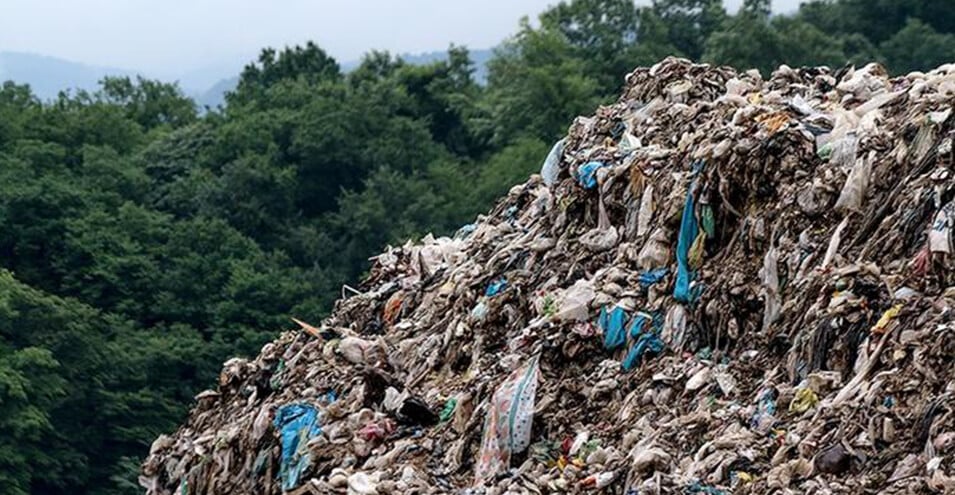
According to estimates by the parliamentary research center, the economic damage from neglecting environmental economics in Iran amounts to at least 5.8 billion dollars per year. The legislative research institution states that this negligence also threatens citizens’ health and carries social costs.
The Research Center of the Iranian Parliament in a report titled “Comparative Study of Environmental Economics from Legislative and Supervisory Perspectives” has estimated that neglecting the environment costs Iran’s economy at least 8 billion and 430 million dollars annually.
The full text of this 37-page report is available on the research center’s information portal, and the state news agency IRNA published a summary of it on Thursday, July 27.
According to the report, environmental economics as an issue in Iran is still in its initial stages of development, to the extent that even precise estimates of environmental damages are not available. This is despite the fact that one of the most basic foundations of environmental economics—which directly relates to citizens’ welfare and health—is estimating these very damages.
Inattention to the economic aspects of the environment is not limited to Iran. In fact, despite the long history of economics as a science, scientific attention to environmental economics worldwide only began in the 1970s.
The Research Center wrote on this matter: “Environmental economics is a new subject in economic science that received very little attention before 1970. After 1971, environmental damages prompted scientists to find economic tools to protect the environment.”
Environmental economics refers to the branch of economic science that examines the relationship between sustainable development and environmental necessities and provides solutions through which economic growth and development can proceed while causing minimal damage to the environment.
The Research Center’s estimate of annual damages from neglecting environmental economics in Iran is based on World Bank statistical data from 2002.
World Bank reports indicate that in 2002, environmental damages in Iran’s economy amounted to over 3 billion and 200 million dollars in the water sector, over 2 billion and 800 million dollars in the land and forest sector, and approximately 1 billion and 800 million dollars in the air sector.
The Research Center believes that due to the Islamic Republic authorities’ negligence toward the environmental sector, the increase in damages in recent years has been “very significant.”
Half a Billion Dollar Loss from Two Wetlands Drying Up
Based on data from 2013, the parliamentary research institution has estimated that the damage alone from the drying up of a large portion of the Tashtk and Bakhtegan wetlands in Fars Province that year was approximately half a billion dollars (503 million dollars) to Iran’s economy.
The Research Center’s report states: “In Iran, there has been significant oversight regarding assessing environmental damages, which indicates the low priority given to environmental issues in the country. If this matter is not pursued, continuing efforts to solve environmental problems and create economic tools for environmental protection will be impossible or will be incomplete.”
Studies conducted indicate that in the same year Iran’s economy suffered 8.5 billion dollars in damage from environmental negligence, European countries were able to save approximately 300 billion euros in costs resulting from environmental damages through preventive measures.
Pollution and environmental degradation, in addition to economic damages, pose a threat to citizens’ health, and alongside social and individual problems, impose heavy costs on society.
Many reports have been published in Iran about the direct impact of water and air pollution and increased dust storms on citizens’ health and the spread of skin diseases, respiratory illnesses, and cancer, particularly in polluted areas such as the Assaluyeh economic zone.
Thousands Die from Air Pollution
According to a 2016 World Health Organization report, 28,000 Iranians die each year solely from diseases caused by air pollution.
Abbas Shahsavandi, head of the Air Health and Climate Change group at the Ministry of Health, announced in December of the previous year, citing World Bank statistics, that the cost air pollution imposes on Tehran’s health and medical system reaches 2 billion and 600 million dollars per year.
The Parliamentary Research Center states that although the government has attempted to increase economic growth through industrial expansion, a significant portion of income from economic growth should be spent on treating the human workforce.
In the concluding section of its report, this center has offered suggestions to reduce economic losses from environmental negligence, the most important of which is imposing an “environmental tax.”
The parliamentary research institution explained this type of tax as follows: “On this basis, the government sets a price and it is up to pollution producers to determine their own level of pollution production. Prices should be set in such a way that they neither harm society and industry, nor are they set in a way that not only fails to protect the environment but causes greater economic costs.”
This center has recommended that environmental tax rates be determined based on polluter behavior and proportional to the scope of environmental damages and losses.
Source: DW