Evangelical Leader Expresses Concern Over Escalating Iran and Middle East Crisis
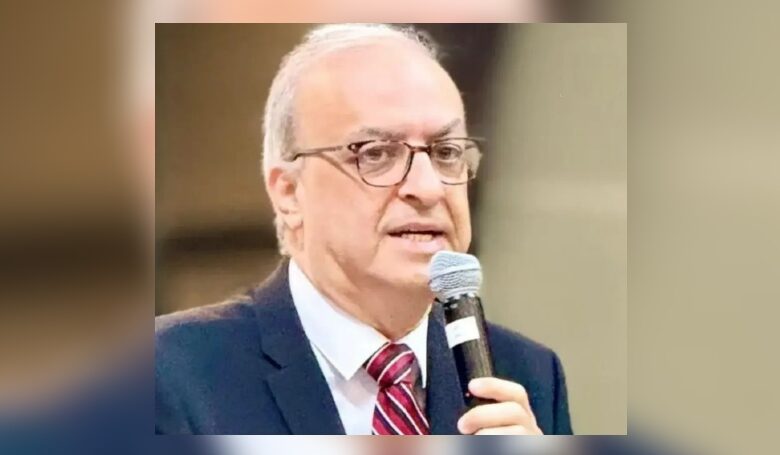
Concerns raised by an evangelical leader about the escalating crisis in Iran and the Middle East come at a time when the Iranian people, under pressure from repression, violence, and instability, are in greater need than ever of peace and global support.
In response to rising military tensions in the Middle East and intensifying conflicts related to the Islamic Republic of Iran, Reverend Petrus Mansour, one of the prominent Christian leaders in the world, expressed deep concern about the consequences of this situation and warned of the necessity to avoid war and focus on peaceful solutions.
This recognized figure among evangelical Christians, who has an extensive track record of working in the field of international dialogues and matters related to Middle Eastern Christians, emphasized in his statements that the outbreak of new conflicts was unexpected for many religious leaders and has created serious concerns about the future of the region. Referring to years of tension and conflict in the region, he noted that various communities, including ordinary people, have become exhausted by the continuation of war and insecurity.
While acknowledging the nature of Iran’s government, he expressed doubt about the effectiveness of military options for resolving crises and warned that past experiences show that entering into war does not necessarily lead to positive or sustainable results. According to him, examples such as Afghanistan and Iraq have shown that political changes resulting from military intervention have sometimes led to greater instability and doubled pressure on religious minorities, including Christians.
In another section of these remarks, special emphasis was placed on the condition of the Iranian people—people who have faced widespread political, economic, and social pressures for years. In recent years, particularly following widespread popular protests in December 2025, numerous reports have been published of violent repression, widespread arrests, and serious human rights violations. This Christian leader, referring to these conditions, called for global attention to the suffering of the Iranian people and stressed that support for them should not be limited to political positions, but should focus on human dignity and fundamental rights.
He also gave special attention to Iranian Christians and described them as people who face heavy pressures and costs to preserve their faith. In recent years, reports from human rights organizations and institutions defending religious freedom show that Christian converts in Iran have faced threats, arrests, and severe sentences—an issue that has raised concerns in the global Christian community.
In another part of his remarks, by posing the question “Who decides that a regime should be changed and who carries it out?” he warned against oversimplifying the issue of regime change and emphasized that the consequences of such decisions are often unpredictable. He stated clearly: “You may know how to start a war, but you never know how it will end.”
This evangelical leader also pointed to the danger of hasty interpretations of regional developments within the framework of eschatological prophecies and considered such an approach “highly problematic.” According to him, this type of perspective can lead to indifference to human suffering and present an incorrect image of Christian faith.
In conclusion, emphasizing biblical teachings, he called for the expansion of peace, justice, and compassion in the region and reminded that before pursuing the path of war, all other measures must be taken. He also asked Christians around the world to pray for the victims of violence and stand beside families who have lost their loved ones.
At a time when Iran continues to grapple with internal crises, suppression of protests, and international pressures, these messages once again draw attention to the necessity of supporting people, particularly vulnerable minorities, and efforts to find solutions based on peace and justice.