Execution of protesters and arrest of minorities are signs of escalating pressures in the shadow of Iran's internal crises
The execution of protesters and the arrest of minorities indicate increasing security and religious pressures in Iran, in line with political and regional developments.
Reports published by human rights sources indicate a significant increase in judicial and security crackdowns in Iran, a trend that has targeted both political protesters and religious minorities and raised serious concerns about the human rights situation in the country.
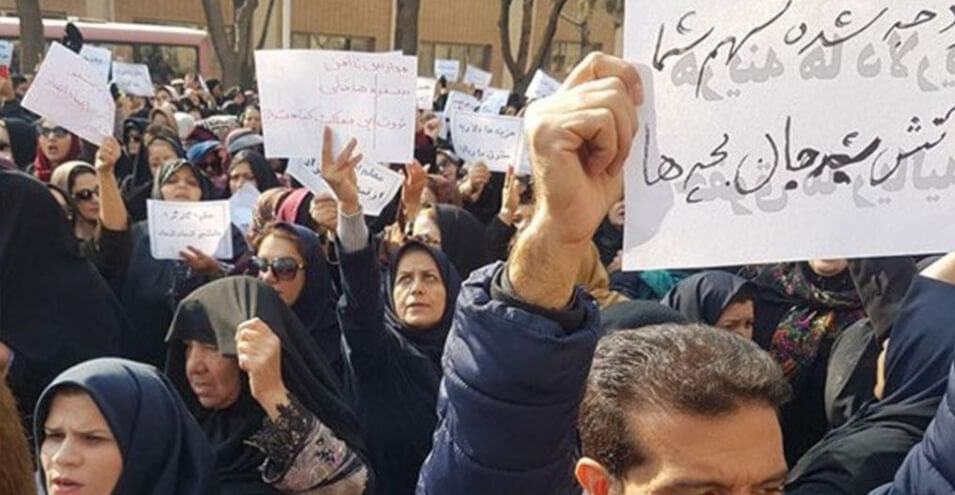
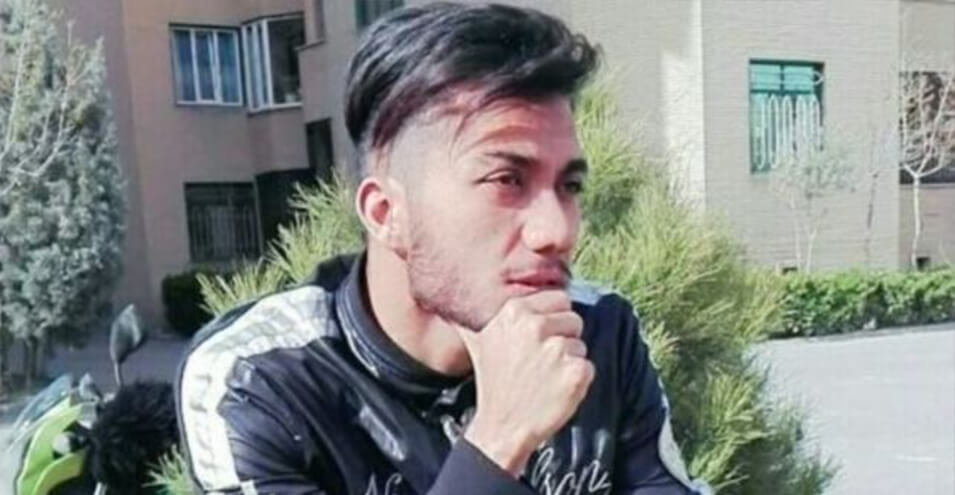
In the most recent case, the death sentence of "Irfan Kiani", one of the detainees of the nationwide protests of January 1404, was carried out in the city of Isfahan on Thursday, May 23. He had been sentenced to death on charges including "moharebeh" and other security charges. The execution of this sentence took place while reports indicate that the process of handling similar cases is being pursued more quickly and more severe sentences are being issued to protesters.
According to published information, this citizen was arrested during the popular protests and then faced charges in the Revolutionary Court, including “committing war by drawing a cold weapon,” “creating insecurity,” “inciting violent acts,” and “participating in the destruction of public property.” Official media outlets have also claimed that he played a role in leading some of the protest actions; claims that have been made in many similar cases without providing clear evidence.
Human rights organizations have warned that the increase in executions, especially after the escalation of military tensions in the region, could be a sign of the government's attempt to control the internal space by creating public fear. Analysts believe that the use of the death penalty in such circumstances is more of a political deterrent than a means of enforcing judicial justice. Also, many executions are not even reported in the media after they are carried out and remain secret, which makes it difficult to obtain accurate statistics on the execution of these sentences.
Alongside these developments, another report has been published about the treatment of religious minorities, particularly the Baha'i community. Three Baha'i women living in Rafsanjan, named "Boshri Mostafavi", "Nahid Naeimi" (Elna), and "Deedar Ahmadi", have been arrested and transferred to Kerman Central Prison to serve their sentences. These individuals had previously been sentenced to four months in prison each on charges of "propaganda against the regime".
A notable point in this case is its contradictory judicial process; in the first stage, the criminal court ruled to acquit the three citizens due to lack of sufficient evidence, but this ruling was overturned in the appeals court.
According to published reports, during the hearing of the case, the appeals court judge explicitly referred to the religious beliefs of these individuals and said: "You are Baha'is and in an Islamic country you must pay the price for being Baha'is." These statements, from the perspective of observers, are a clear indication of the influence of religious beliefs on the trial process and the issuance of judicial rulings.
Human rights experts stress that such attacks are an example of violations of freedom of religion or belief, a right enshrined in international instruments including the Universal Declaration of Human Rights and the International Covenant on Civil and Political Rights. However, reports indicate that restrictions against religious minorities in Iran continue and, in some cases, have intensified.
Overall, the simultaneous implementation of harsh sentences against protesters and increased pressure on religious minorities presents a worrying picture of the current situation in Iran; a situation that, according to observers, requires serious attention from the international community and human rights organizations.