Franklin Graham’s Support for Donald Trump and His Role in Iran Developments
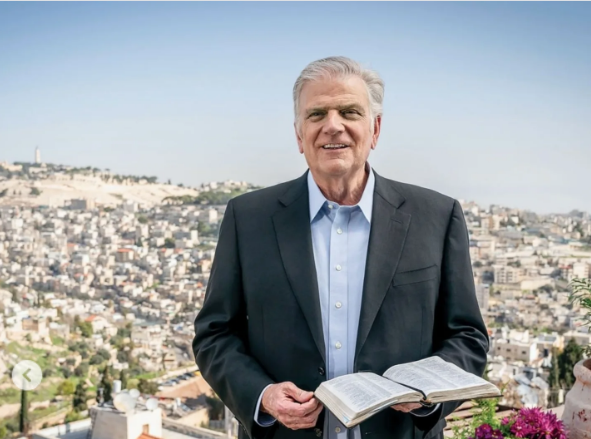
Franklin Graham’s support for Donald Trump has been raised at a time when this backing is accompanied by differing reactions and narratives regarding Iran.
Donald Trump, President of the United States, in his latest move on the Truth Social network, published a letter from Franklin Graham, a prominent figure in evangelical Christianity and head of the “Billy Graham Evangelical Association,” in which Trump’s approach to Iran and his policies regarding regional developments are supported.
Franklin Graham in this letter, dated March 2, 2026, thanked Trump for what he called “giving freedom a chance for the Iranian people,” and described him as a statesman who does not postpone difficult decisions unlike previous administrations. In part of this letter, addressing Trump, he wrote: “You are doing the right thing. Other presidents have only postponed this matter for a long time and have not made difficult decisions. You are making the world safer.”
The publication of this letter occurred at a time when the political atmosphere surrounding Iran and the role of the United States in recent developments remains a subject of widespread debate and disagreement. In narratives presented by Trump, reference has been made to internal developments in Iran as well as claims about widespread casualties during protests, and within this framework, strict policies against Iran’s nuclear program have also been justified.
On the other hand, these positions have faced differing reactions in political and religious circles. Including reference to criticisms regarding Pope Leo’s positions on U.S. military actions against Iran, which demonstrate a divergence of views between some religious and political leaders in the West.
Overall, the publication of this letter and its resonance on social media has once again highlighted the connection between politics, religion, and narrative-building regarding Middle Eastern developments; a connection that continues to be accompanied by differing and sometimes contradictory interpretations of ground realities.