Fresh Warning from ‘Mullah Abdul Hamid’ Regarding Wave of Political Sentences and Forced Confessions in Iran
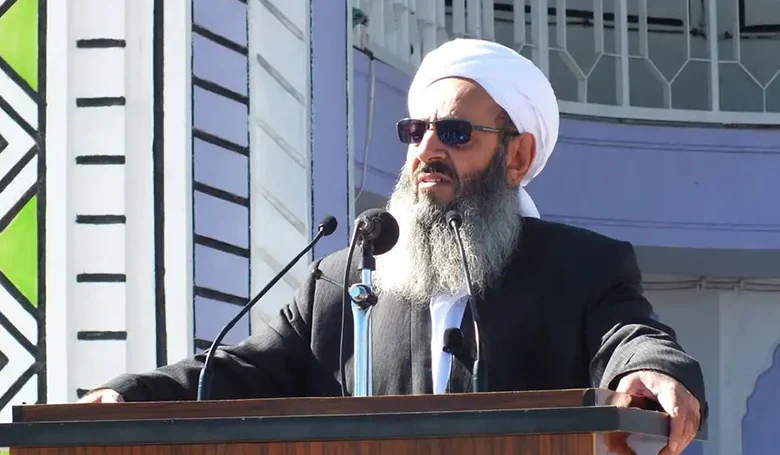
“Mullah Abdul Hamid Ismaeilzahi,” the Sunni Friday prayer imam of Zahedan, continuing his criticism of the escalating execution process in Iran, called for halting “political executions” and ending the use of “forced confessions” in security cases. He emphasized in Friday prayer sermons that executions not only fail to solve the country’s problems, but according to him, “are not in the interest of the country and people” and can deepen social rifts. These statements come at a time when, concurrent with intensifying security and military tensions, reports indicate an increase in issuing and carrying out execution sentences against political and security prisoners—a trend that has faced widespread reactions from human rights organizations and civil activists.
Abdul Hamid also warned against the judiciary’s reliance on confessions that, according to him, are obtained “under pressure and coercion,” and stated: “Such confessions contradict Islamic principles, the constitution, and international laws and should not be the basis for issuing sentences.” He had previously repeatedly criticized the expansion of executions and what he called “forced confession-taking,” saying: “Be assured that executions cannot stop the people.”
The statements of the Sunni Friday prayer imam of Zahedan come as, according to reports published by media outlets and human rights organizations, the number of executions in Iran has increased in recent months. Some reports indicate the execution of dozens of prisoners on political and security charges during a period of intensified military clashes. Meanwhile, concerns about the use of televised confessions and pressure on defendants to admit to charges have again increased.
Mullah Abdul Hamid has become one of the rare religious figures within Iran in recent years who has explicitly taken a position against the execution of protesters and political prisoners. He had previously warned that continuation of this process would lead to the spread of discontent and hatred, and described the cessation of executions as the general will of the people.