Funeral of Hashemi Shahrudi, Man Under Whose Leadership Over 2,000 Executions Were Carried Out
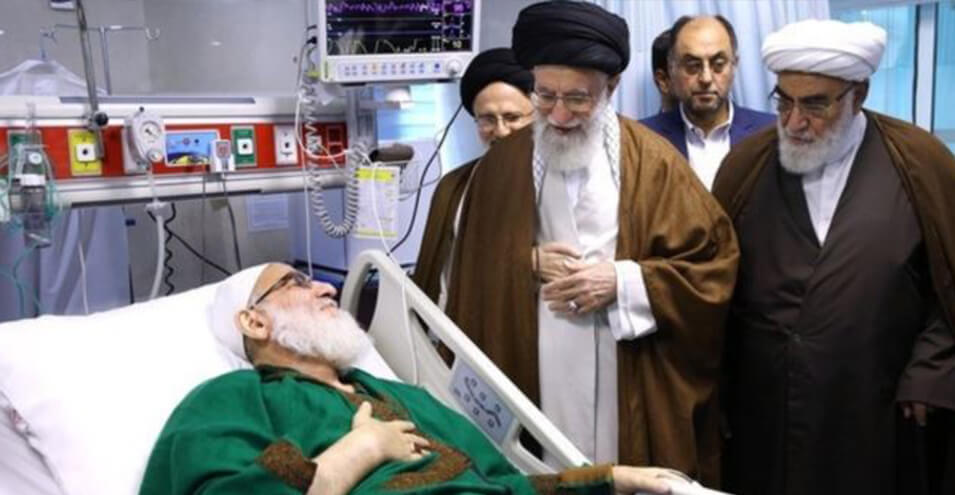
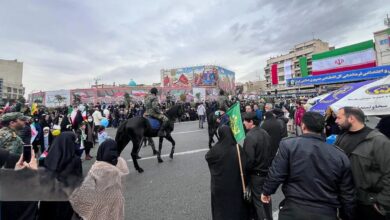
On Wednesday, the funeral ceremony of Mahmoud Hashemi Shahrudi was held in Qom with the presence of Ali Khamenei, the leader of the Islamic Republic of Iran.
Hashemi Shahrudi, the head of the Expediency Discernment Council and former head of the judiciary of the Islamic Republic, passed away last week due to illness, while human rights activists consider him to have one of the darkest records among Iranian officials.
Mahmoud Amiri Moghaddam, director of the Iran Human Rights Organization, told Voice of America about Hashemi Shahrudi: He was the head of the judiciary for ten years and held the highest position in the Islamic Republic after the leader. During Mr. Shahrudi’s tenure as head of the judiciary, at least 7 stoning sentences, extrajudicial killings, and over 2,000 execution sentences were issued and carried out in Iran—sentences, some of which were related to child offenders.
He added: This is only part of the sentences that were confirmed by the head of the judiciary and sent for execution, sentences that were issued in an unjust system.
Mr. Amiri Moghaddam referred to the issuance of a circular to limit the number of public executions as the only positive legacy left by Mr. Shahrudi, saying this was the only positive aspect of his work during 10 years heading the judiciary, which was achieved in 2008 under international pressure on the Iranian government.
He said: After 10 years of heading the judiciary, Hashemi Shahrudi also took no positive steps toward justice in Iran, and like other heads of branches and officials who held high positions in the Islamic Republic system, his main priority was preserving the Islamic Republic of Iran.
During Hashemi Shahrudi’s tenure as head of the Islamic Republic’s judicial apparatus, Iran witnessed the execution of sentences, arbitrary detentions and torture of critics, illegal treatment of the press and journalists, and cases of executions of minors under 18 years old, which triggered considerable protests in Iran and among international human rights organizations.
At the beginning of his tenure as head of the judiciary, it was reported that he had inherited “ruins,” but civil activists say that during ten years of leading this branch, he made no changes.
Source: Voice of America