German Food Inspectors Halt Sales of Iranian Cookie
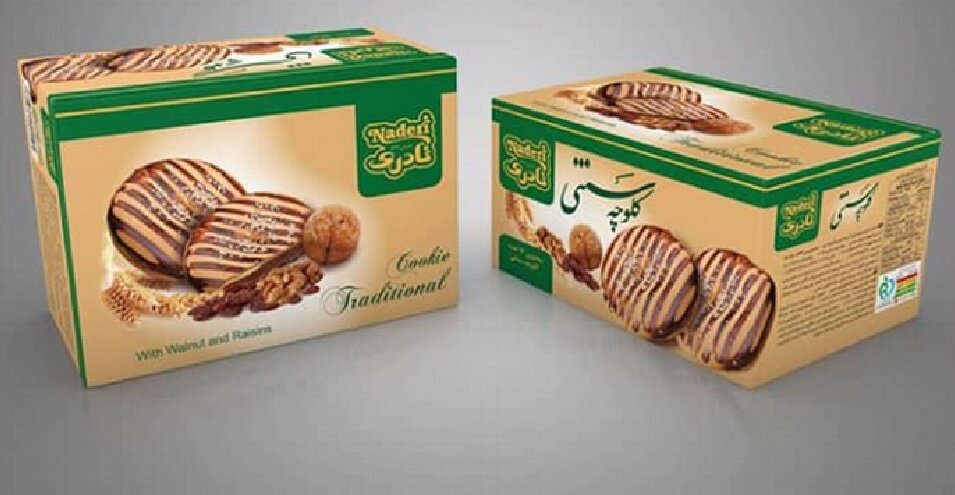
Mehyar, a large import-export company in Cologne, has announced that it is suspending sales of “Naderi cookies” to “provide precautionary consumer protection.” The reason is the potential carcinogenicity of certain batches of these cookies with specific serial numbers.
According to a report by “Merkur” on Thursday, December 20 (December 10), a major Iranian merchant in Germany has halted the sale of Naderi cookies following the decision of German food inspectors.
Food control in Germany is stricter than in many other countries. For this reason, it is a normal phenomenon that periodically sales of a product are suspended due to not meeting the required standards, and the product is withdrawn from circulation.
In the latest case, Mehyar Import-Export Company, headed by Morad Sarafiyan in Cologne, announced that it is suspending sales of a batch of Naderi cookies in 210-gram packages with an expiration date of April 16, 2021, for “precautionary consumer protection.”
The reason for this action is that, according to German food inspectors, consuming this type of cookie due to the presence of contaminants with genetic and carcinogenic effects could pose a health risk.
Contamination refers to food being tainted with foreign substances, which could be metal or plastic pieces or plant pesticides. Pest control poisons can cause genetic mutations that create problems for the human body.
Consuming such foods in the medium and long term significantly increases the risk of cancer.
Another danger present in these cookies is that the presence of peanuts was not warned on the package. Peanuts are highly allergenic and can cause dangerous side effects within hours of consumption for those who are allergic.
These cookies have been distributed in three states: Berlin, North Rhine-Westphalia, and Rhineland-Palatinate.
The M. Sarafiyan Import-Export Company began its operations in Germany 40 years ago. On the company’s website it states: “With the increase in Iranian migration to Germany in the 1990s, demand for food products and edibles produced in Iran increased. To meet this need and also give our compatriots a sense of being in their homeland, we expanded the distribution of food products with traditional foods.”
Source: DW