Guardian Council Approves ‘Protection of Children and Adolescents’ Bill
After months of dispute with the Islamic Consultative Assembly, the Guardian Council has finally approved the bill on protection of children and adolescents, a bill whose history dates back 9 years.
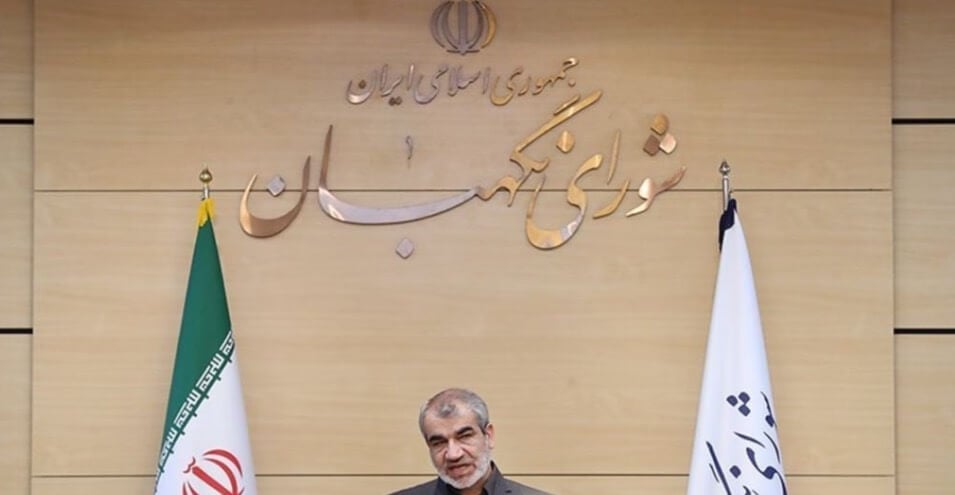
Abbas Ali Kadkhodaei, spokesman for the Guardian Council, said on Sunday, June 8, that according to this council’s opinion, “the bill on protection of children and adolescents is not in contradiction with Sharia and the Constitution and has been approved by this council”.
According to this bill, which is now a law, a child is defined as a person who has not reached “the age of religious maturity”. An adolescent is also defined as any person “under 18 years of age” who has reached “the age of religious maturity”.
The history of this bill dates back to 2011 during the Mahmoud Ahmadinejad administration when it was presented to the Islamic Consultative Assembly, but it took seven years to pass it in parliament and after that it also faced multiple objections from the Guardian Council.
The killing of Romina Ashrafi, a 13-year-old girl, by her father shocked Iranian society and once again brought the discussion of the protection bill for children and adolescents to the forefront.
Massoumeh Ebtekar, Vice President for Women and Family Affairs, said on May 30 that this bill “can certainly help judges in cases like that of Romina”.
According to her, this bill “had been dormant for years and was reactivated with the twelfth government’s priority request”.
Based on the latest reports, the tenth parliament addressed the Guardian Council’s objections in mid-May in the final weeks of its work. It is still unclear how much the current law differs from the original bill.
According to Iranian media reports, “for the first time in Iran’s legal system,” crimes such as preventing children from education, encouraging school dropout and truancy, emotional abuse and negligence in child care have been defined and detailed penalties have been provided for them.
This law also addresses matters such as “establishing communication with children and adolescents on the internet and social networks for the purpose of harassment and abuse,” “selling tobacco to children” and employing children and “exploitation” of them, and has criminalized these acts.
Another matter refers to extraordinary circumstances that threaten the life or mental and physical health of children, and this law stipulates that anyone who is aware of a crime or imminent danger of it and does not report it to the competent authorities shall be punished with one of the sixth-degree penalties.
The sixth-degree penalty includes items such as “imprisonment of more than six months to two years,” “fines of more than 20 to 80 million rials,” “flogging” and “social deprivation”.
Source: Radio Farda