Hamid Noori Trial Witness: One Person Executed by Mistake, Ibrahim Raisi’s Presence in ‘Death Committee’
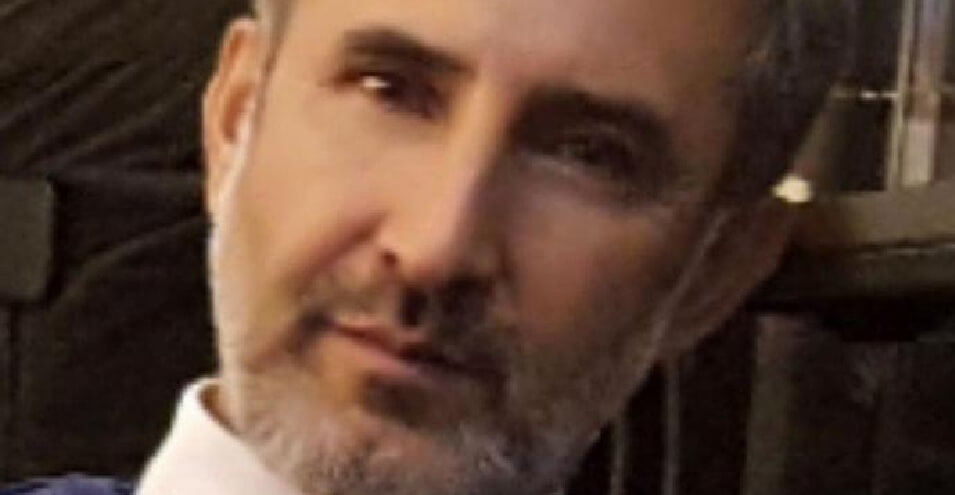
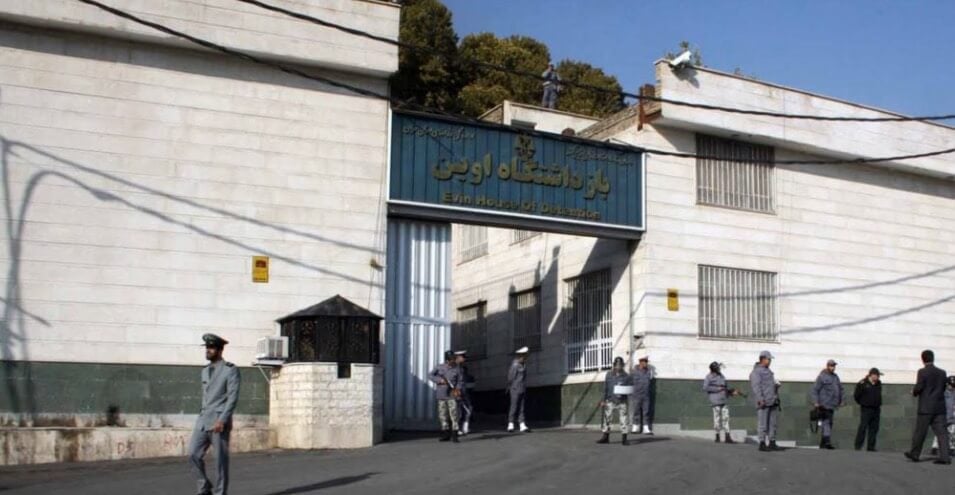
The thirty-eighth session of the trial of Hamid Noori, former deputy of Gohardasht Prison in Karaj and one of the accused in the mass executions of Iranian political prisoners in 1988, was held in the city of Durrës, Albania. In this session, Akbar Samadi testified.
In the city of Durrës, Albania, the thirty-eighth session of the trial examining the charges against Hamid Noori, former deputy of Gohardasht Prison in Karaj and one of the accused in the mass executions of political prisoners in Iran, was held on Monday, November 15 (November 24). This fourth session of the court in Albania was dedicated to hearing the testimony of Akbar Samadi, a former political prisoner and member of the “Mujahedin-e Khalq Organization,” as a complainant and witness. He is one of seven witnesses whose testimony the court has traveled to Albania to hear.
Akbar Samadi was arrested in 1981 at the age of 14 and was sentenced to 10 years in prison on charges of supporting the “Mujahedin-e Khalq Organization.” He served his sentence in prisons such as Gohardasht and Qazelhesarak.
Samadi, regarding the executions in the summer of 1988, said that he saw Davoud Lashkari in Gohardasht Prison with a number of Revolutionary Guards “transferring him with a noose.”
Another witness in previous sessions of this court also named “Nasarians, Davoud Lashkari, and Hamid Abbasi” as individuals who were involved in torturing and harassing prisoners.
According to Samadi, these executions began in Evin Prison from July 27 and in Gohardasht from August 8.
Samadi added: “I have the names of 177 people who were executed only in Gohardasht. My list, however, contains 377 people, some of whom were executed in Evin Prison, some in the city of Gorgan, and some in Khuzestan Province.”
“Noori Mistakenly Executed One Person”
The complainant and witness in this case also said that Hamid Noori, the defendant in this court, “mistakenly” executed a person due to similarity of names with someone else.
This former political prisoner said that on August 3, late at night, Hamid Abbasi (Noori) came and called out 14 names; when he called the name Mortaza Yazdi, no one answered. He repeated several times but still no one answered.
Samadi said that Noori mistakenly took one person to be executed and executed Mortaza Yazdi instead of Seyyed Mortaza Yazdi. Samadi added: “I was in a cell with Seyyed Mortaza Yazdi in Qazelhesarak, but Mortaza Yazdi was a different person, and Noori, due to this mistake and lack of care, executed another person.”
This witness recounted events in Qazelhesarak Prison in Karaj, saying that some prisoners had lost their psychological balance as a result of torture, and the Iranian government had decided to “cleanse the prison” through executions.
Samadi said that Noori would line up people who were not to be executed and should have been transferred to solitary cells and move them to the end of the “death corridor.” According to Samadi, Noori would pretend these people were to be executed and tell them at the last moment to go back.
Witness’s Encounter with Ibrahim Raisi in Prison
Akbar Samadi, a member of the “Mujahedin-e Khalq Organization,” said in the court session that in 1988, Ibrahim Raisi, as the deputy prosecutor, in a session of judges known as the “Death Committee,” asked him to be interviewed and to condemn “Komala, one of the Kurdish parties” so that he could be pardoned. Samadi had told him that he was not a member of Komala, and the refusal of the interview request by this former prisoner was accompanied by Ibrahim Raisi’s anger, but he eventually accepted the interview request after going to the “Death Committee” room four times.
In previous sessions in Albania, Mohammad Zand, Majid Saheb-Jamaa, and Asghar Mehdiazadeh, former prisoners from the 1980s, gave their testimonies.
It had previously been announced that weeks 45 and 46 of this court, due to the importance of hearing witnesses stationed in Albania regarding proving the crime of the accused, would be held starting Wednesday, November 10, in the city of Durrës, Albania.
Hamid Noori is in Stockholm and appeared in the Durrës city court session via video. He was arrested at Stockholm Airport in November 2019 when entering Sweden, and an indictment against him was issued after 20 months of detention. Noori has denied the charges against him.
The importance of Hamid Noori’s trial is that for the first time, one of the Islamic Republic’s security officials who participated in the mass executions of 1988 has been arrested outside the country and put on trial. The massacre of political prisoners in 1988 has been mentioned for years in reports by human rights organizations, but no accused has been tried in this regard until now.
Hamid Noori has been identified by case witnesses as the deputy of Gohardasht Prison in Karaj and one of eight members of the “Death Committee” in that prison during the mass execution of political prisoners in the summer of 1988.
Another important matter is the role of Ibrahim Raisi, the head of the thirteenth government of the Islamic Republic, in this case. Raisi served as deputy prosecutor during the summer 1988 executions and is said to have been one of four main figures of the “Death Committee.”
Noori’s trial process is likely to continue until April of next year.
Hamid Noori was arrested on November 9, 2019 (November 18, 2019) at Stockholm’s “Arlanda” Airport by order of the Swedish prosecutor and on charges of participation in “mass massacre.”
The indictment against Noori was issued by the Swedish Prosecution Authority’s division for international crimes and organized crimes, specifically by Christina Lindehoff Carlsson, and was submitted to Swedish judicial authorities.
In this case, approximately 40 complainants and 60 witnesses who were imprisoned in Gohardasht Prison in the summer of 1988 are present.
Based on the court’s ruling, Noori and his lawyers will not attend these sessions and will remain in Sweden and attend the court session via video conference.
According to unofficial statistics, more than 6,000 members and supporters of various opposition parties and groups, particularly the Mujahedin-e Khalq Organization, were executed during the 1988 executions by order of Khomeini, the founder of Iran’s Islamic Revolution. However, the Mujahedin organization claims this number was over 30,000 political prisoners, at least 90 percent of whom were supporters of the organization.
Hamid Noori, through his lawyers, denies all charges and claims that he was on leave due to the birth of his son during the summer 1988 executions.
Survivors and families of the killed hope that Hamid Noori’s trial will be a turning point for the beginning of international investigation into the 1980s massacres, especially the summer 1988 massacre, and the punishment of those responsible and who ordered it.
Source: DW