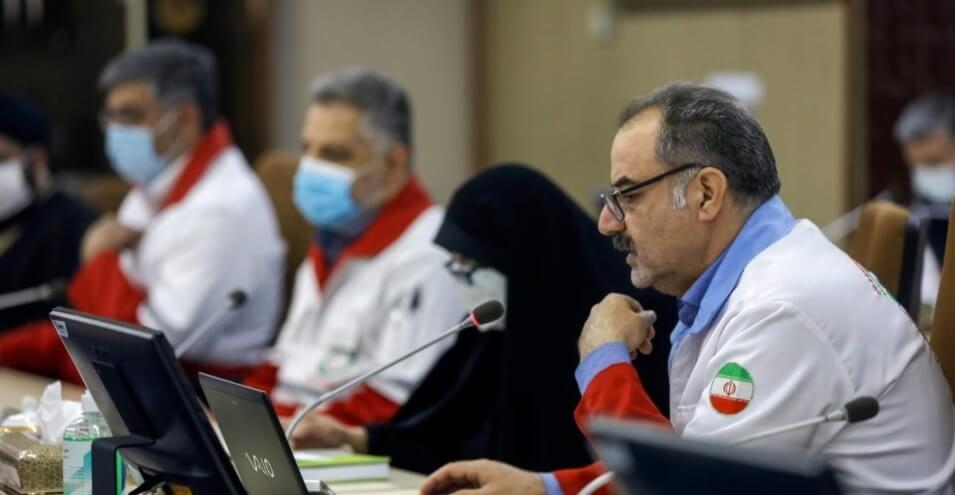
Head of Iran’s Anti-Narcotics Headquarters Calls for Increased Prison Sentences for Drug Addicts
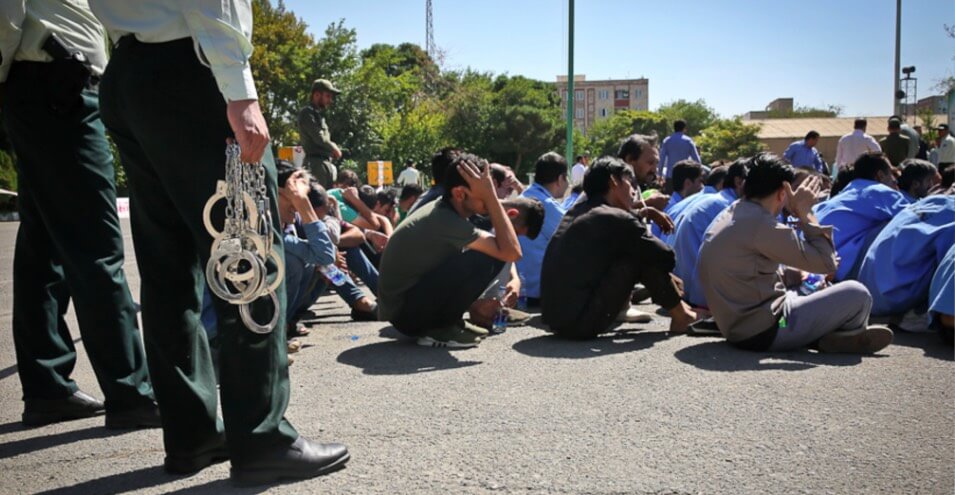
The secretary-general of Iran’s anti-narcotics headquarters has stated that prison sentences for “openly addicted” drug users are insufficient and that incarceration periods for addicts should be increased.
Iskander Momeni emphasized on Sunday, September 7, at a meeting on combating narcotics: “Iran is the only country where openly addicted individuals serve one to three months in prison.”
He did not specify the extent to which prison sentences for addicts should be increased, but stated that in countries such as China and Belgium, a minimum of two years is prescribed for this group of addicts.
In recent years, the term “openly addicted” has been used for a group of addicts who, despite the availability of necessary resources and assistance, refuse to quit their addiction.
Based on the latest official statistics presented by Momeni on July 12 of this year, between 60,000 to 100,000 openly addicted individuals exist in Iran, with 15,000 of them living in Tehran.
According to official statistics from Iranian government authorities, the total number of addicts in Iran currently exceeds 2.8 million.
The request to increase prison sentences for this group of addicts comes at a time when on June 19 of this year, Asghar Jahangir, an advisor to the head of the judiciary, stated that Iran’s prison organization has a capacity to accept between 5,000 to 6,000 openly addicted individuals.
Under current regulations, openly addicted individuals should be held in places other than prisons that are under the supervision of the welfare organization and municipalities, but in recent years numerous problems have arisen in this regard.
In one of the most controversial cases, during the peak of the coronavirus outbreak in March of this year, multiple reports emerged about the congregation of addicts in one of the southern areas of Tehran.
Following widespread coverage of this news, it became clear that according to a decision by the coronavirus combat headquarters’ treatment committee, the “collection and organization” of this group of addicts was postponed until the coronavirus crisis conditions were resolved.
Moreover, some Islamic Republic officials attributed the prominent presence of addicts on streets to the closure of Article 16 centers due to concerns about the spread of coronavirus among them.
Under Article 16, one of the amendments to the anti-narcotics law approved in 2010, centers were established for the custody and “compulsory treatment” of addicts. These centers were initially under the management of the anti-narcotics headquarters but were transferred to welfare centers two years ago. According to reports, the national coronavirus combat headquarters had ordered the closure of these centers to prevent the spread of coronavirus in them.
Based on the latest official reports from the judiciary, 211,000 individuals are imprisoned in Iran, with 38 percent of them convicted in the field of “drug-related crimes,” which primarily involve the production and buying and selling of narcotics.
Iranian judicial authorities have also repeatedly stated that prisons in Iran hold more prisoners than their permitted capacity.
Beyond the high overcrowding of prisoners, human rights organizations have published numerous reports in recent years of violations of prisoners’ rights, arbitrary conduct by interrogators and prison personnel, extensive buying and selling of narcotics in prisons, and increased pressure on political prisoners.
Amnesty International also revealed on July 31, through the publication of correspondence between Iran’s prison organization and the health ministry authorities, that the Islamic Republic government took no action in sending medical equipment and supplies to the country’s prisons to contain the coronavirus.
Source: Radio Farda