Hengaw Expresses Concern Over Health of Political Prisoners Being Held Hostage Under Islamic Republic
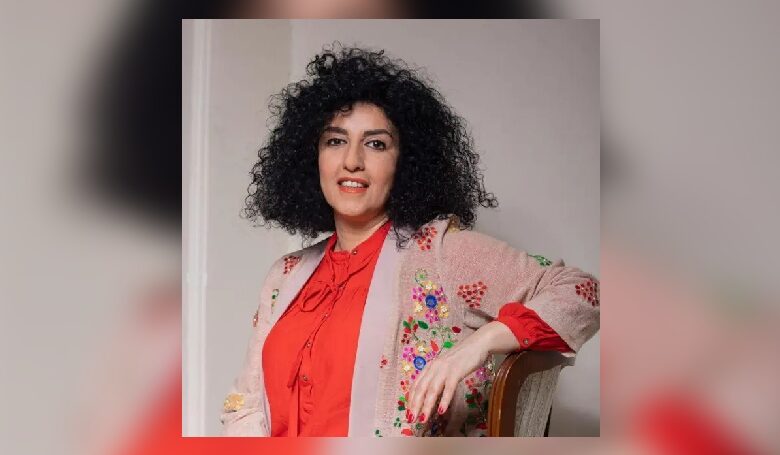
The Hengaw Human Rights Organization has expressed concern over the medical crisis in Iran’s prisons and the health of Narges Mohammadi and other political prisoners, and warned about tools used to pressure detainees.
Reports from human rights organizations, including Hengaw Human Rights Organization, once again shed light on the alarming condition of Narges Mohammadi’s health—a renowned human rights activist and Nobel Peace Prize laureate. This situation is not merely an administrative error, but a clear manifestation of a systematic policy of depriving political prisoners of the most basic human rights, particularly the right to medical treatment.
According to these reports, Narges Mohammadi’s physical condition has reached a critical stage following cardiac complications and the exacerbation of underlying diseases. However, prison authorities have prevented her immediate transfer to equipped medical centers and access to a trusted physician. This action amounts to a clear case of intentional deprivation of treatment and disregard for the life of a sick detainee.
Narges Mohammadi was arrested on December 12, 2025, while attending the funeral ceremony of Khosrow Alikardi in Mashhad. She was subsequently sentenced to seven and a half years imprisonment and two years of exile, and is currently held in Zanjan Central Prison. Her transfer to a medically unsafe environment, coupled with severe restrictions on medical care, has heightened concerns about the danger to her life.
Beyond this individual case, reports point to a broader pattern in which the conditions of political prisoners have noticeably deteriorated following recent security and political developments and increased regional tensions. A heavy security atmosphere, increasing psychological and physical pressure, and severe restrictions on communication with the outside world have placed detainees in conditions where the possibility of self-defense or even reporting their situation has been minimized.
One factor exacerbating this situation is the limited cut-off of food supplies and the partial or widespread restriction of internet access. This not only blocks independent means of information dissemination but directly creates conditions for human rights violations to continue in silence and ignorance. Under such circumstances, sick and vulnerable detainees are exposed to danger more than ever before.
Further compounding these concerns, reports from organizations such as the Narges Foundation have highlighted the detention of political prisoners alongside those convicted of violent crimes and the failure to observe the principle of separation of offenses. This has been described as a tool to apply double pressure and create psychological insecurity among political prisoners.
A synthesis of these reports underscores one key point: the Iranian government bears direct responsibility for the life and health of political prisoners. However, available evidence shows that the right to medical treatment and access to medical services is being used not as a human right, but as a lever for political pressure.
In light of these circumstances, human rights organizations have once again called on the international community, UN special rapporteurs, and international organizations to respond immediately and effectively to the situation of political prisoners in Iran, particularly cases such as Narges Mohammadi, and to prevent the continuation of a process in which the health and lives of detainees are effectively being held hostage.